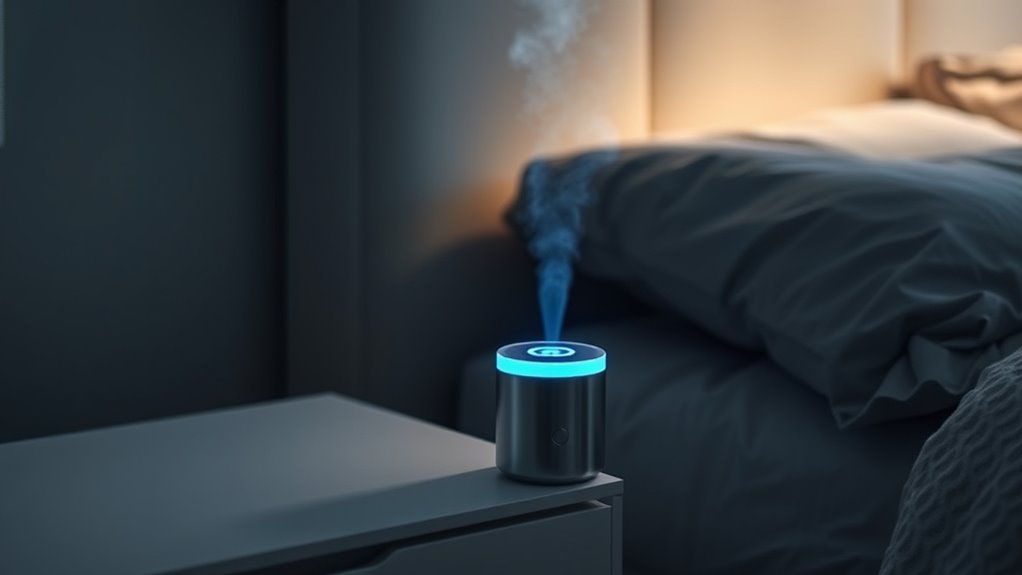

Air ionizers can help improve your sleep by filtering out airborne pollutants, reducing allergens, and promoting cleaner air. However, some models produce ozone, which can irritate your lungs and cause discomfort that might hinder your rest. If you choose a low-ozone or ozone-free ionizer, you may experience better sleep quality. To understand how to maximize benefits and avoid potential drawbacks, it’s helpful to learn more about selecting the right device and its effects.

Get wellness gear delivered free — and shop member deals
- Fast, free delivery on millions of items
- Access to Prime Big Deal Days deals on October 6–7
- Prime Video, Amazon Music and more included
Key Takeaways
- Properly functioning ionizers can improve indoor air quality, potentially aiding sleep for allergy or asthma sufferers.
- Ozone-emitting ionizers may cause respiratory irritation, disrupting sleep and causing discomfort.
- Modern low-ozone ionizers are less likely to hinder sleep and can promote breathing ease overnight.
- Excessive ozone production from older or poorly maintained devices can worsen respiratory symptoms, impairing sleep quality.
- Good ventilation and choosing ozone-free models help maximize sleep benefits from air ionizers.
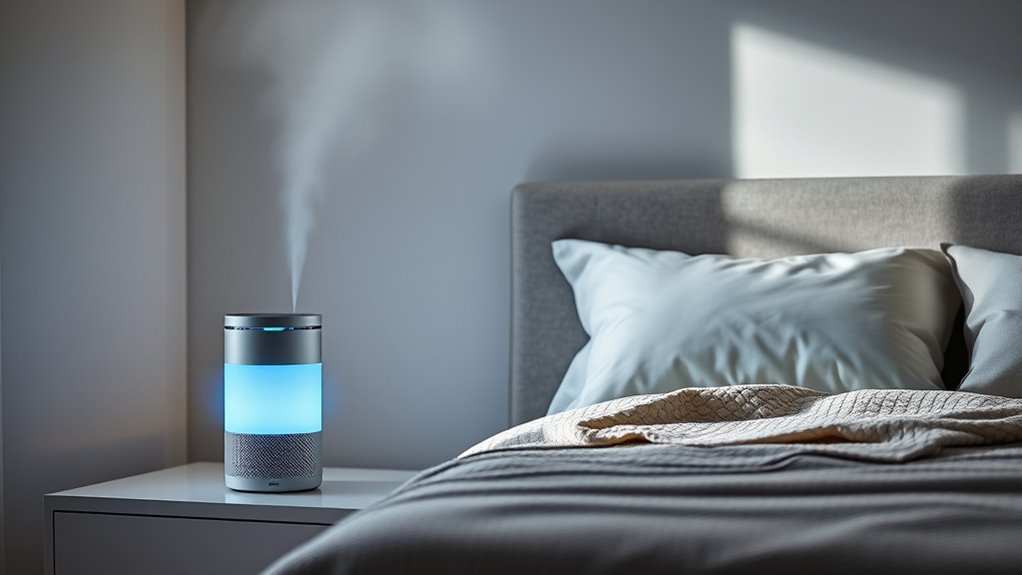
Have you ever wondered how air ionizers can improve the quality of the air you breathe? If so, you’re not alone. Many people turn to air ionizers because they believe these devices can enhance air purification and create a healthier indoor environment. Ionizer technology works by releasing negatively charged ions into the air, which attach to airborne particles like dust, pollen, smoke, and pet dander. These particles then become heavier and settle out of the air or stick to nearby surfaces, reducing the number of pollutants you might inhale. It sounds straightforward, but whether this process truly benefits your sleep is a different question.
When you use an air ionizer, you’re fundamentally leveraging air purification methods that target particles at a microscopic level. This can lead to cleaner air, which is generally good news for your respiratory health. Cleaner air can reduce allergy symptoms, lessen asthma triggers, and improve overall breathing comfort. However, the impact on sleep isn’t always clear-cut. Some people find that ionizer technology helps them breathe more easily at night, leading to more restful sleep. Others, however, report that the same devices can produce ozone as a byproduct, which might cause irritation in the lungs or eyes, especially if the device is not well-maintained or if it’s an older model.
The concern about ozone is important because, although ionizers are designed to purify air, the ozone they sometimes produce can hinder sleep quality. Ozone is a known respiratory irritant and can cause coughing, throat irritation, or chest tightness, all of which can make falling asleep or staying asleep more difficult. If you’re considering an air ionizer, it’s vital to look for models that produce minimal or no ozone. Many modern devices are designed with this in mind, but it’s worth double-checking the specifications before making a purchase.
Furthermore, understanding the air purification process and choosing a device that minimizes ozone production can help you enjoy the benefits without adverse effects. In the end, whether an air ionizer helps or hinders your sleep depends on your individual sensitivities and the specific device you choose. For some, the improved air quality and reduction in airborne allergens can promote better sleep. For others, ozone emissions or other side effects might cause discomfort. If you decide to try one, monitor how it affects your breathing and sleep patterns. Keep your space well-ventilated, and opt for ionizer technology known for low ozone output. This way, you can enjoy the potential benefits of cleaner air without risking irritation or sleep disruption.
Frequently Asked Questions
Can Air Ionizers Cause Allergic Reactions or Respiratory Issues?
Air ionizers can cause allergenic reactions and respiratory irritation in some people, especially if they produce ozone as a byproduct. If you’re sensitive or prone to allergies, you might experience worsened symptoms like sneezing, coughing, or throat irritation. To mitigate risks, choose models with low ozone emission, ensure good ventilation, and monitor your body’s response. If symptoms persist, it’s best to stop using the device and consult a healthcare professional.
Are There Specific Types of Ionizers Better for Sleep Improvement?
In the age of steam, you’d want a quiet, effective ionizer for better sleep. Opt for models with HEPA filters and UV sterilizers, as they reduce allergens and bacteria, creating a cleaner sleep environment. Look for ionizers specifically designed to minimize ozone production and noise. These features help you breathe easier and sleep more peacefully, making your nighttime routine more restful and rejuvenating.
Do Air Ionizers Produce Ozone That Could Affect Sleep Quality?
Yes, air ionizers can produce ozone, which may negatively affect your sleep quality. Ozone production from some ionizers can lead to poor air quality, causing respiratory irritation and discomfort during sleep. To minimize this risk, choose ionizers designed to emit low or no ozone. Ensuring good air quality with safe ionizers helps create a healthier sleeping environment, so you can rest more peacefully without ozone-related disturbances.
How Long Does It Take for an Ionizer to Improve Bedroom Air Quality?
It typically takes a few hours for an air ionizer to noticeably improve your bedroom air quality. The device’s effectiveness depends on factors like room size, existing pollutants, and how often you run it. To optimize results, keep windows closed during operation and run the ionizer continuously or for several hours daily. Regular use guarantees cleaner air, helping you breathe easier and potentially enhancing sleep quality over time.
Are There Safety Concerns for Children or Pets Using Air Ionizers?
You should consider child and pet safety when using air ionizers because they can produce ozone, which may irritate lungs and cause discomfort. While some models are designed to be safer, it is crucial to choose ionizers with low or no ozone output. Keep children and pets away from the device during operation, and regularly check for safety certifications. Your goal is to improve air quality without risking their health.
Conclusion
In the end, whether air ionizers help or hinder your sleep depends on your unique needs. They can be a revitalizing change, clearing pollutants and improving your environment, or a sneaky disruptor if they produce ozone. Think of them as a double-edged sword—powerful yet potentially problematic. Weigh the benefits against the risks, and trust your instincts. Remember, your sleep sanctuary should be a peaceful haven, not a battlefield—so choose wisely.
Fall Picks
fall essentials
As an affiliate, we earn on qualifying purchases.