
TL;DR
Published bedding coverage highlights that choosing a pillow depends on sleep position, preferred firmness and the pillow’s height and adjustability. Reports include advice from sleep and bedding specialists, but the material provided does not establish one pillow type as best for everyone or provide a single tested recommendation.
Choosing a pillow comes down to fit, not simply buying the most expensive or highly rated option, according to bedding guidance and expert interviews featured in recent reporting. The coverage points shoppers toward considering sleep position, preferred firmness and pillow height—factors that can shape how comfortable a pillow feels at home.

Get wellness gear delivered free with Prime
- Fast, free delivery on millions of items
- Prime Video, Amazon Music and more included
- Member-only deals all year
Coverage of pillow selection has included advice from an osteopath, a sleep scientist and pillow manufacturers, alongside testing and reviews of pillows for different sleep positions. The material does not provide a complete transcript of those experts’ recommendations, so it cannot support a single prescribed formula. It does, however, reflect a practical starting point: identify how you usually sleep and what kind of support and feel you prefer.
Side sleepers appear frequently in the reviewed coverage, with options described across a range of feels, from firm and supportive to soft and squishy. Adjustable designs also feature in reviews, including pillows that allow users to change the height or composition. Those examples show that a pillow’s fit can depend on its construction as well as its label; a product marketed for a particular sleeping position is not automatically comfortable for every person who sleeps that way.
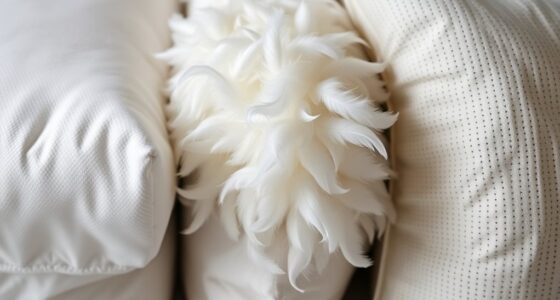
Fill is another choice, with reporting comparing feather and memory foam and reviewing memory foam, microfibre and hybrid designs. The supplied information does not establish that one material is superior. Shoppers can compare the feel, care instructions and ability to adjust a pillow, while treating individual reviews as personal experiences rather than guarantees about how a product will work for them.
Choose a pillow that fits your sleep
Comfort depends on your usual sleep position, preferred firmness and pillow height. No single pillow type is established as best for everyone.
Start with your habits
Use your own sleep position and comfort preferences to compare options.
Consider whether you usually sleep on your side, back or front, or move between positions.
Look for a height and firmness that suit your preferences; side sleepers’ reviews include both firm and softer options.
Some designs let you change the pillow’s height or composition.
Compare the choices
The coverage reviews different fills and designs without establishing one as superior.
Feather or memory foam
Compare feel, support preference and care requirements.
Adjustable or fixed
Flexibility may help if you want to alter height or composition.
Care and lifespan
Check washing guidance and how to protect the pillow.
Make a considered choice
A category label or review cannot guarantee a personal fit.
- Check the manufacturer’s fill details and care instructions.
- Review return terms and try the pillow as intended when a trial is available.
- Read product reviews as individual experiences, not universal results.
- Reassess comfort after using the pillow at home.
A Better Fit Starts With Sleep Position
A pillow is used nightly, so a mismatch in height or firmness can affect whether it feels comfortable. The coverage also notes that people do not all sleep in one position: some move between side, back and front sleeping. That makes adaptability relevant for shoppers whose position varies, although the material does not establish that an adjustable pillow will suit every sleeper.
The advice can help readers make a more informed comparison before buying. Rather than relying on a hotel-style description, a high price or a broad claim about better sleep, shoppers can look at their own habits and preferences. Fit is individual, and reported testing reflects the tester’s experience, not a controlled finding that a pillow will improve sleep for everyone.
Products Worth Considering

Philips Sonicare 9900 Prestige Electric Toothbrush with 5 Brush Heads, Champagne

Garmin Forerunner 265S GPS Running Smartwatch, 42 mm, Light Pink/Powder Gray

Hyperice Hypervolt Go 3 Percussion Massage Gun with Carry Case
As an affiliate, we earn on qualifying purchases.
Pillow Choices in Recent Coverage
The supplied coverage spans buying guides, product tests and care advice. It includes recommendations for side sleepers, comparisons of feather and memory foam, and reviews of adjustable pillows. Other pieces address washing and replacing pillows, protecting them from stains, and choosing pillowcases. That range makes clear that selecting a pillow is only one part of bedding decisions; upkeep and product lifespan also matter.
Several reviews describe personal trials, including one reviewer’s month-long test of a premium pillow and another’s four-week experience with a pillow containing foam clusters. Those accounts are useful as descriptions of how particular products felt to individual testers, but they do not amount to clinical evidence or a universal ranking. No complete product specifications, independent test methods or comparative results are included in the material provided.
What the Guidance Cannot Establish
The supplied material consists largely of headlines and short summaries, not the underlying expert interviews or full testing reports. It does not spell out specific measurements for pillow height, explain a standard way to determine firmness, or give detailed recommendations for each sleep position. Those details should not be inferred from the article titles alone.
It is also unclear which pillows would suit an individual shopper, how products were compared, or whether any named design performs better under consistent testing. Product reviews describe reported experiences, and the material does not confirm that any pillow prevents pain, treats a condition or guarantees better sleep. Readers with persistent discomfort or health concerns may want to seek advice from a qualified professional rather than relying on a product claim.
Compare Fit Before You Buy
For shoppers, the next step is to compare options against their usual sleeping position, preferred feel and willingness to adjust or maintain a pillow. Check the manufacturer’s fill details, care instructions and return terms, and try the pillow in the way it is intended to be used when a trial is available. Where product reviews are part of the decision, distinguish a tester’s personal experience from information verified across multiple products.
The coverage supplied does not announce a forthcoming study, product launch or policy change. Its practical takeaway remains a consumer one: choose based on your own comfort needs, then reassess after using the pillow rather than assuming a category label guarantees a match.
Key Questions
What should I consider when choosing a pillow?
Start with your usual sleep position, the pillow height and firmness you find comfortable, and whether you want a fill or design that can be adjusted. The available material does not give a single specification that works for everyone.
Is memory foam better than a feather pillow?
The coverage includes comparisons of memory foam and feather fill, but the information provided does not establish one as better overall. Feel, support preference, care requirements and personal fit can all influence a shopper’s choice.
Do side sleepers need a firm pillow?
Reviews in the coverage include both firm and softer options for side sleepers. That suggests preferences differ; the material does not confirm that all side sleepers need the same firmness or pillow height.
Are adjustable pillows a good choice?
Adjustable designs are among the products reviewed and can let users alter a pillow’s height or composition. Whether that flexibility is useful depends on individual preferences, and the supplied information does not show that adjustable pillows suit everyone.
Can a particular pillow guarantee better sleep?
No such guarantee is established in the material provided. Product reviews report individual experiences, not proof that a pillow will improve sleep or address pain for every user.
Source: idealhome.co.uk