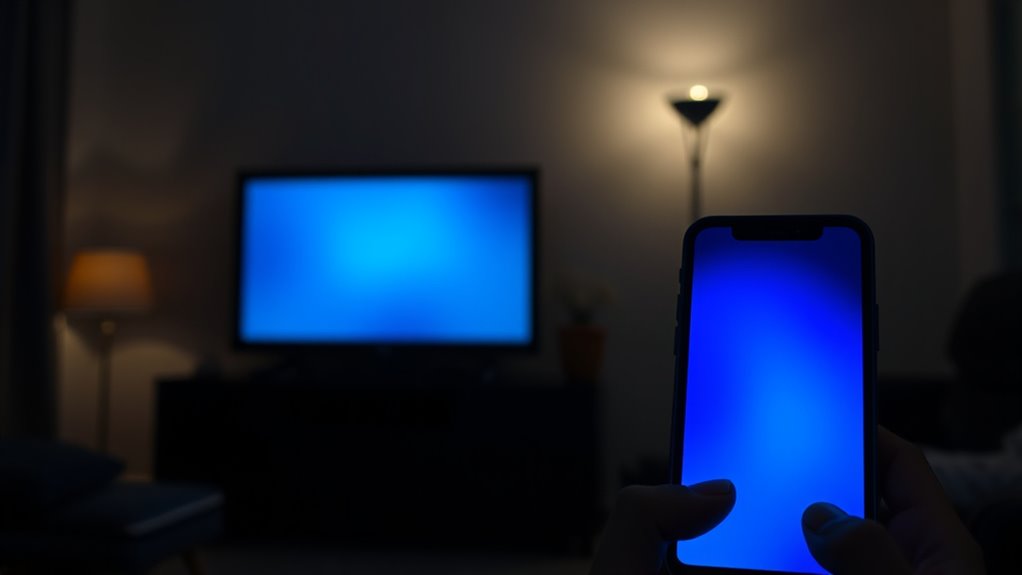

Blue light from phones hits your eyes harder than from TVs because you hold phones closer, increasing exposure and focus strain. Phones emit intense blue light at high levels, especially with small screens, while TVs, viewed from a distance, release less concentrated blue light. Prolonged phone use can cause more eye fatigue and disrupt sleep, but watching TV still affects your health over time. Keep going to discover effective ways to protect your eyes and sleep habits.

Get wellness gear delivered free with Prime
- Fast, free delivery on millions of items
- Prime Video, Amazon Music and more included
- Member-only deals all year
Key Takeaways
- Phones emit higher levels of concentrated blue light directly into the eyes due to proximity.
- The close distance of phones increases eye strain and focus effort more than TVs.
- TVs produce lower-intensity blue light spread over a larger area, reducing impact per unit compared to phones.
- Prolonged phone use at night disrupts sleep more due to intense blue light exposure.
- Overall, phones hit the eyes harder and pose greater risks for eye strain and sleep disruption than TVs.

Many people are unaware that both TVs and phones emit blue light, which can affect your sleep and eye health. As you spend more time glued to screens, you might not realize how much blue light you’re exposing yourself to daily. This exposure can lead to increased eye strain, headaches, and even disturb your natural sleep cycle. The more screen time you accumulate, the greater the potential for these issues to develop. It’s essential to understand how each device contributes to your blue light exposure and what that means for your eyes.
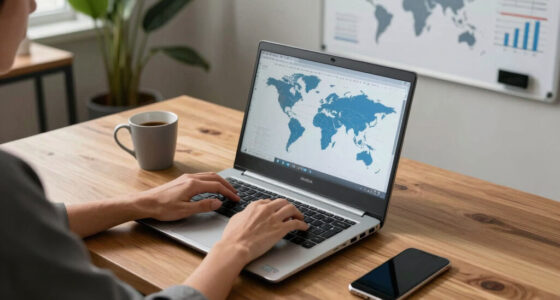
Phones tend to be more impactful when it comes to blue light exposure because of their proximity to your eyes. You hold your phone close, often for extended periods, whether browsing social media, texting, or watching videos. This close distance means your eyes work harder to focus, increasing eye strain. The small screens emit a concentrated amount of blue light directly into your eyes, which can exacerbate discomfort and fatigue. If you spend hours on your phone during the day, especially late into the evening, it can considerably disrupt your sleep pattern and cause headaches from eye strain.
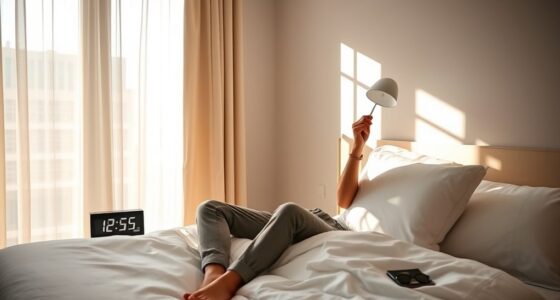
Television screens, on the other hand, generally emit blue light at a lower intensity compared to phones. However, because TVs are larger and often viewed from a greater distance, the impact on your eyes is different. You might watch TV for longer periods, but your eyes don’t have to strain as much to focus on the image. Still, prolonged TV viewing can increase overall blue light exposure, especially if you watch late into the night. The size and distance help mitigate some eye strain, but the total screen time remains a concern. If you binge-watch shows or spend hours in front of a TV, you can still suffer from eye fatigue and sleep disturbances caused by blue light.
In the end, both devices contribute to your daily blue light exposure, but phones tend to hit harder because of their proximity and intense blue light emission. Your best defense is managing your screen time, especially before bed, and taking regular breaks to rest your eyes. Using blue light filters or glasses can help reduce the impact, but awareness and moderation are key. Knowing how each device affects your eyes empowers you to make smarter choices for your eye health and sleep quality.
blue light blocking glasses for screen use
As an affiliate, we earn on qualifying purchases.
As an affiliate, we earn on qualifying purchases.
Frequently Asked Questions
How Does Blue Light Affect Sleep Quality Differently From TVS and Phones?
Blue light from phones often hits harder than TVs because you usually hold phones closer, increasing screen brightness and exposure. This intense blue light disrupts your circadian rhythm more, making it harder to fall asleep. TVs, being farther away and typically less bright, cause less disruption. To protect your sleep, reduce screen brightness and limit exposure before bed, especially on phones, to minimize circadian disruption.
Are Children More Vulnerable to Blue Light Damage From Screens?
Imagine blue light as a tiny, persistent drizzle that seeps into a child’s developing mind. Children are more vulnerable to blue light damage because their screens often become part of daily habits, exposing them longer and more intensely. Their developing eyes and brains are more sensitive to this exposure, risking potential developmental vulnerabilities. So, limiting screen time habits is essential to protect their health and future growth.
Can Blue Light Exposure Cause Long-Term Eye Health Issues?
Blue light exposure can cause long-term eye health issues like retinal damage and circadian disruption. When you spend too much time on screens, especially before bed, it may harm your retina over time and mess with your sleep patterns. To protect your eyes, limit screen time, use blue light filters, and take regular breaks. These habits help reduce risks and keep your eyes healthier in the long run.
What Are the Best Ways to Protect Eyes From Blue Light?
To protect your eyes from blue light, use screen filters that reduce glare and blue light emission. Take regular breaks by practicing eye exercises, like focusing on distant objects every 20 minutes. Adjust your device’s brightness to match ambient lighting, and consider wearing glasses with blue light blocking lenses. These steps help minimize eye strain and keep your eyes healthier over time.
Does Blue Light From Screens Contribute to Digital Eye Strain?
Yes, blue light from screens contributes to digital eye strain. When you stare at screens with screen flickering and intense blue light, your eyes work harder to focus, leading to eye fatigue. Prolonged exposure can cause discomfort, dryness, and headaches. To reduce these effects, take regular breaks, use blue light filters, and maintain proper screen distance. Protecting your eyes helps prevent long-term vision issues and keeps you comfortable during screen time.
blue light screen protector for phones
As an affiliate, we earn on qualifying purchases.
As an affiliate, we earn on qualifying purchases.
Conclusion
So, whether you’re glued to your TV or scrolling on your phone, blue light can still mess with your sleep and eye health. Remember, even in this digital age, moderation is key—don’t let your screen time turn into your personal digital age of darkness. Take breaks, dim the brightness, and avoid screens before bed. After all, balancing your tech use today keeps you from becoming a modern-day Icarus, flying too close to the blue light sun.
blue light glasses for eye strain
As an affiliate, we earn on qualifying purchases.
As an affiliate, we earn on qualifying purchases.
As an affiliate, we earn on qualifying purchases.
Halloween Picks
halloween
As an affiliate, we earn on qualifying purchases.