To enjoy light meals at night you’ll love, focus on easy-to-digest options like fresh fruit, nuts in moderation, or a small portion of Greek yogurt. Incorporate colorful vegetables, lean proteins, and healthy fats to keep meals satisfying but not heavy. Avoid processed foods and large portions to support better digestion and sleep. Keep your meals balanced and listen to your body’s cues—exploring these tips will help you create your perfect nighttime snack plan.
Key Takeaways
- Choose nutrient-dense, low-calorie foods like fresh fruits, vegetables, and lean proteins for satisfying yet light nighttime meals.
- Prepare customizable dinner salads with leafy greens, colorful vegetables, and healthy fats for quick, nutritious options.
- Incorporate moderate portions of nuts, Greek yogurt, or lean meats to promote satiety without overloading calories.
- Avoid processed, heavy, or greasy foods to prevent digestion issues and sleep disturbances.
- Focus on balance, listening to your body’s signals, and making small adjustments for sustainable, healthy night eating habits.

Have you ever wondered if eating light at night can improve your sleep and overall health? Many people find that heavy, greasy meals before bed leave them feeling sluggish, uncomfortable, or tossing and turning all night. Switching to lighter options doesn’t mean sacrificing flavor or satisfaction; instead, it often leads to better digestion and a more restful sleep. One simple way to do this is by choosing healthy snacks or dinner salads that keep your evening meal satisfying but not overly filling. These options are easy to prepare, versatile, and can be tailored to your taste preferences.
Healthy snacks are a great way to curb late-night hunger without overloading your stomach. Think fresh fruit, a handful of nuts, or Greek yogurt—things that provide essential nutrients without excess calories or fats. These snacks help stabilize blood sugar levels and prevent those disruptive hunger pangs that can wake you up during the night. If you’re craving something more substantial, opt for a small portion of lean protein like turkey slices or cottage cheese, paired with some crunchy vegetables. The key is keeping portions moderate and choosing foods that are easy to digest.
Healthy late-night snacks stabilize blood sugar and prevent sleep disruptions.
Dinner salads are another excellent option for light evening meals. They’re quick to prepare, customizable, and packed with nutrients. Start with a base of leafy greens like spinach, arugula, or romaine. Add colorful vegetables such as cucumbers, cherry tomatoes, bell peppers, or carrots for flavor and vitamins. Incorporate a source of protein, like grilled chicken, shrimp, or chickpeas, to make the salad more filling. Toss in healthy fats like avocado slices or a drizzle of olive oil to boost satiety and flavor. Dinner salads allow you to enjoy a fresh, satisfying meal without the heaviness that can disrupt your sleep. Additionally, choosing natural options like fresh ingredients and avoiding processed foods can further support your health goals.
Choosing light meals at night doesn’t mean sacrificing enjoyment. Instead, it’s about making smarter choices that support your health goals. By incorporating healthy snacks and dinner salads into your routine, you can avoid the discomfort of overeating late at night. Not only will you likely fall asleep faster, but you’ll also wake up feeling more refreshed and energized. Over time, these small adjustments can have a significant impact on your overall well-being. Remember, it’s all about balance—listening to your body’s signals and providing it with nourishing, light options that keep you satisfied without weighing you down.

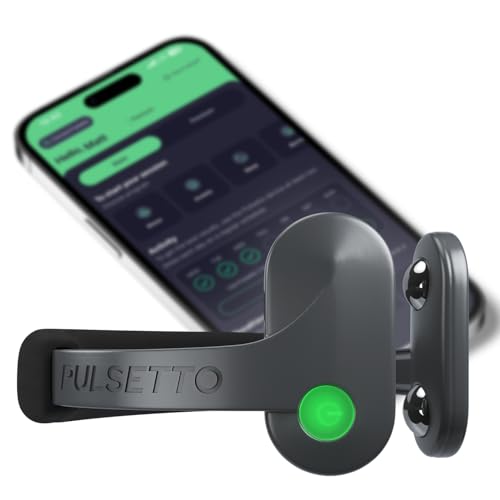
Pulsetto FIT (V2) Wellness Wearable – Relaxation, Sleep & Daily Wellness Support Device
- Short, Easy Relaxation Sessions: 4-10 minute calming routines
- Lightweight, Ergonomic Design: Comfortable wearable for daily use
- Customizable Wellness App: Personalized sessions and tracking
As an affiliate, we earn on qualifying purchases.
Frequently Asked Questions
Can Light Meals Improve Sleep Quality?
Yes, light meals can improve your sleep quality. By practicing good sleep hygiene and paying attention to meal timing, you help your body relax and prepare for rest. Eating heavy or spicy foods late at night can disrupt your sleep, while lighter meals promote better digestion and comfort. Adjust your evening meal to be nutritious yet gentle, and you’ll likely notice more restful sleep and waking up refreshed.
Are There Specific Foods to Avoid at Night?
You should avoid heavy, spicy foods and caffeine during late-night snacking, as they disrupt sleep more than a light, calming meal. Combining foods high in sugar or fat can cause indigestion and restless nights. Think of it as choosing calming, simple food combinations like yogurt with fruit or nuts, instead of greasy fries or chocolate—these avoid overstimulation and help you fall asleep faster, ensuring peace for both your stomach and your sleep.
How Late Can I Eat a Light Meal?
You can eat a light meal up to two hours before bed to support proper meal timing and avoid late night snacking. Eating too close to bedtime might disrupt your sleep or digestion. If you’re hungry later, opt for a small, healthy snack instead. Remember, listening to your body’s signals helps prevent overeating and promotes better sleep quality. Keep your late-night eating habits mindful and moderate for ideal health.
Do Light Meals Help With Weight Management?
Imagine finishing your evening with a light meal, and suddenly, weight management feels easier. Yes, light meals help with weight management because they promote calorie control and better meal timing. When you choose smaller, nutritious options at night, you prevent overeating and keep your metabolism steady. This coincidence of mindful eating and strategic timing supports your goals, making it simpler to maintain a healthy weight without feeling deprived.
Are Light Meals Suitable for All Dietary Restrictions?
Light meals can be suitable for most dietary restrictions if you choose gluten-free options and vegan-friendly choices. You can easily tailor these meals to meet specific needs by swapping ingredients or adding alternatives. Just pay attention to labels and make sure your ingredients align with your restrictions. This way, you enjoy a light, satisfying meal that fits your diet without sacrificing taste or nutrition.
Pulsetto Lite (V1) Wellness Wearable – Relaxation & Daily Wellness Support Device
- Quick Relaxation Sessions: 4-10 minute calming routines
- Portable Wellness Device: Compact for home or on-the-go use
- Customizable with Pulsetto App: Personalize sessions and track progress
As an affiliate, we earn on qualifying purchases.
Conclusion
Eating light at night can boost your sleep quality and help with digestion. Did you know that consuming heavy meals before bed increases the risk of acid reflux by 50%? Staying mindful of your evening choices not only improves your rest but also supports overall health. So, next time you’re hungry, opt for a nutritious, light meal—your body will thank you for it. Small changes can make a big difference in how you feel tomorrow.

Entertech Flowtime: Biosensing Meditation Headband - Brain Tracker for Neurofeedback Training at Home - Heart Rate, Breath, HRV, Stress, Flow, Alpha, Theta, Beta, Gamma Wave Breakdowns
- Real-time Meditation Monitoring: Brainwaves, heart rate, and stress levels
- Scientifically Validated Meditation Lessons: Guided techniques for daily progress
- Detailed Performance Reports: Track and compare your meditation data
As an affiliate, we earn on qualifying purchases.

Smedz Neck Massager 2026 New Upgrade 3 in 1 Portable Massager with Heat and Comfortable Stretching - Adjustable Intensity for Neck and Shoulder Relaxation at Home, Office.USB-C Rechargeable
- Customizable Modes: Heat, Vibration, Deep Tissue options
- Auto Shut-Off: 15-minute safe session timer
- Ergonomic Design: Targets neck, shoulders, lower back
As an affiliate, we earn on qualifying purchases.