TL;DR

Get wellness gear delivered free — and shop member deals
- Fast, free delivery on millions of items
- Access to Prime Big Deal Days deals on October 6–7
- Prime Video, Amazon Music and more included
A UK product safety report says certain battery cells in affected Tesla Powerwall 2 units may develop defects that could lead to overheating and fire. Tesla has started a replacement programme, remotely discharged most affected units and says replacements will be free.
A UK product safety report says some Tesla Powerwall 2 battery systems pose a fire risk because certain cells may develop internal defects over time. Tesla has begun a free replacement programme and remotely discharged most affected units while replacements are arranged.
The report, published on GOV.UK under notification number 2609-0219, concerns the Powerwall 2, a residential or light commercial AC battery system made by Tesla. It says an investigation found that cells manufactured by a third party may contain excessive lithium plating. That can cause the cell casing to crack, potentially leading to an internal short circuit and thermal runaway.
Thermal runaway can cause a battery to overheat and catch fire, according to the report. It says the product does not meet the requirements of the Electrical Equipment (Safety) Regulations 2016. The report does not say that every Powerwall 2 is affected; customers are asked to check whether their specific unit is included.
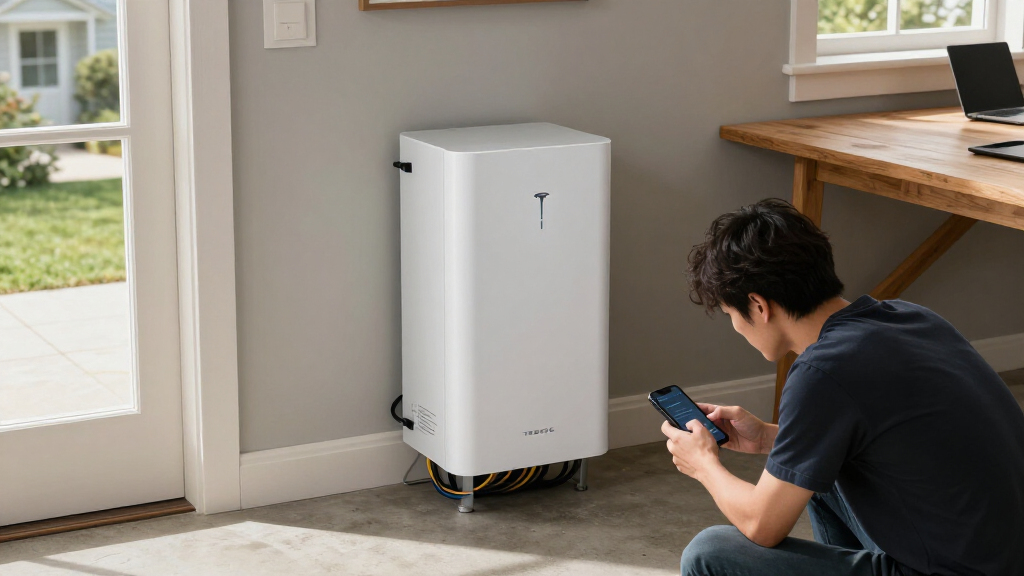
Tesla has remotely discharged most affected systems pending replacement. The report says Tesla technicians are discharging any remaining affected units. Customers should keep their Powerwall 2 online and check the Tesla app for a notification stating whether their unit is affected. If replacement is needed, they should contact the original Tesla Certified Installer to arrange installation. The report says affected units will be replaced free of charge.
Fire Risk Prompts Battery Replacements
The report identifies a potential safety issue in a home energy storage system that may be installed at residential or light commercial properties. A defective cell can, according to the stated failure sequence, lead to an internal short circuit, overheating and fire. That makes identifying affected systems and completing their discharge and replacement the central consumer concern.
The response also has practical implications for owners: Tesla’s instructions depend on the unit remaining online so the company can notify customers through its app. Owners who receive an affected-unit notification will need to arrange work through an installer. The report says replacements are free, but does not provide a count of affected units or a timeline for completing the programme.
How the Cell Defect Can Escalate
The product covered is the Tesla Powerwall 2, described in the report as an AC battery for residential or light commercial use. The reported concern is tied to certain cells made by a third party, rather than a claim that all units share the defect. The report describes a possible chain from excessive lithium plating to cracked casing, then an internal short circuit and thermal runaway.
The UK notification is from Local Authority Trading Standards and appears in the government’s product safety alerts, reports and recalls service. The stated corrective action combines remote discharging, technician visits for units still needing discharge, and replacement. The report directs customers whose original installer is unavailable to Tesla Support or the Tesla Powerwall 2 Replacement Program.
“The product presents a risk of fire as certain battery cells within affected units may develop internal defects over time.”
— UK product safety report
Owners Must Confirm Unit Status
The report does not state how many Powerwall 2 units are affected, where they are located, or when the replacement programme will be complete. It also does not specify a deadline for customers to check the app or arrange installation. The precise status of any individual system can only be confirmed through Tesla’s notification process or by contacting the company or installer.
The report describes a potential fire risk arising from the cell defect; it does not give details about fires or injuries linked to the affected units. It also does not identify the third-party cell manufacturer. Those details are not established by the information published in the report.
Check the App and Arrange Service
Powerwall 2 owners should keep their system online and check the Tesla app for a notification about whether their unit is affected, following the instructions in the report. Customers told that replacement is required should contact their original Tesla Certified Installer to arrange installation. If that installer is unavailable, the report directs them to Tesla Support at +44 1628 450630 or the Tesla Powerwall 2 Replacement Program.
Tesla technicians are to discharge any affected units that have not already been remotely discharged, and replacements are to be provided free. The report does not give a schedule for individual appointments or an overall completion date, so owners will need to follow updates from Tesla and their installer.
Key Questions
Which product is covered by the report?
The report concerns certain Tesla Powerwall 2 residential or light commercial AC battery systems. It does not say every Powerwall 2 is affected.
What is the reported safety concern?
Certain cells may develop internal defects. The report says excessive lithium plating can crack a cell casing, potentially causing an internal short circuit and thermal runaway, with a risk of overheating and fire.
How can owners find out if their unit is affected?
Owners should keep the Powerwall 2 online and check the Tesla app for a notification confirming whether their unit is affected.
Will customers pay for a replacement?
No. The report says affected Powerwall 2 units will be replaced free of charge. Customers should contact their original Tesla Certified Installer to arrange installation.
What if the original installer is unavailable?
The report directs customers to Tesla Support at +44 1628 450630 or the Tesla Powerwall 2 Replacement Program.
Source: primary
Fall Picks
fall essentials
As an affiliate, we earn on qualifying purchases.