Sleep apps typically ask for access to your sleep data, location, microphone, activity, and movement sensors to track and analyze your sleep patterns effectively. They may request permission to use your device’s sensors and health data while sharing some info with third parties for personalized insights or marketing. Managing these permissions carefully can safeguard your privacy. If you want to understand exactly what each permission means and how to protect yourself, keep exploring further.

Get wellness gear delivered free — and shop member deals
- Fast, free delivery on millions of items
- Access to Prime Big Deal Days deals on October 6–7
- Prime Video, Amazon Music and more included
Key Takeaways
- Sleep apps typically request access to sleep sensors, motion, heart rate, and audio data to analyze sleep quality and stages.
- Location permissions help tailor environmental insights, optimize alarms, and offer personalized sleep advice based on surroundings.
- Microphone access is used for sound recordings, voice commands, and sleep noise analysis, but raises privacy and security concerns.
- Managing permissions and reviewing privacy policies are crucial to prevent unnecessary data sharing or misuse of sensitive information.
- Data encryption and user consent are essential to protect sleep and activity data from unauthorized access and ensure privacy.
Common Data Requests in Sleep Apps

Have you ever wondered what data sleep apps typically request from users? Most common requests focus on tracking your sleep cycle, which helps analyze how well you rest and identify patterns. To do this accurately, the app might ask for access to your device’s sensors or integrated health data. Device compatibility is also vital; apps often request permission to connect with your smartphone, smartwatch, or fitness tracker. This connection allows seamless data sharing and more accurate sleep insights. Sometimes, they may ask for access to your device’s motion sensors or heart rate monitor to monitor sleep quality. While these requests are usually essential for functionality, it’s good to understand what data you’re sharing and why it’s needed. Additionally, understanding User Consent Management can help you better manage your privacy while using these apps. Furthermore, many sleep apps utilize sensor data to provide more detailed and precise sleep analysis, making the permissions they request quite critical for optimal performance. An understanding of data security practices can also reassure users that their sensitive information is protected.
Why Do Sleep Apps Need Location Access?
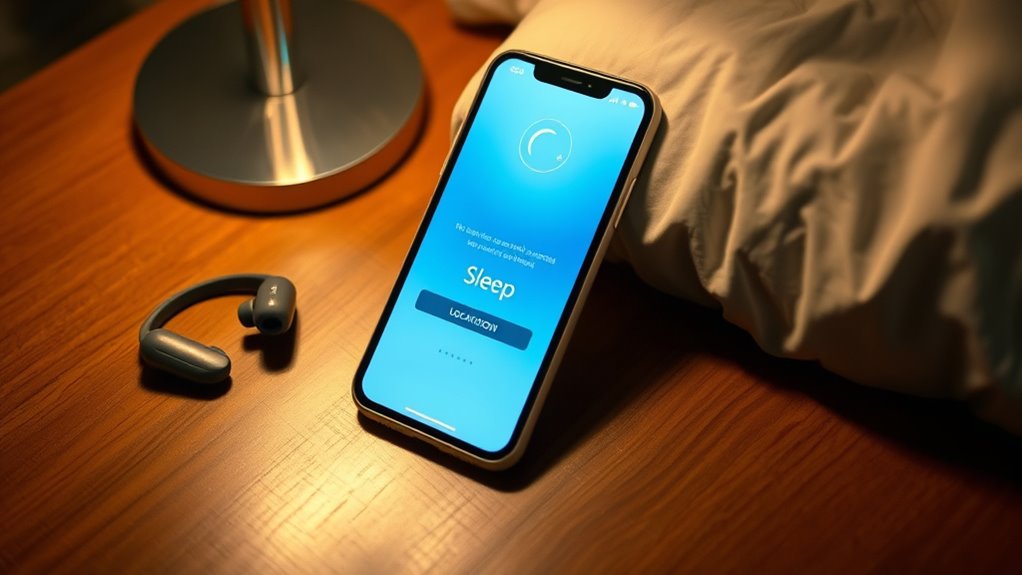
You might wonder why sleep apps request your location, but it’s mainly to improve tracking accuracy and offer personalized tips. Knowing your environment helps the app better understand your sleep patterns and suggest changes. This approach also aligns with energy-efficient cloud solutions, ensuring that data processing remains sustainable and secure. Additionally, certain features may utilize location data to provide insights into local environmental factors that could affect sleep quality. Recognizing water quality and other environmental influences allows the app to better contextualize your sleep data within a broader informational framework, making your experience more tailored and reliable. Understanding personal intuition can further enhance your awareness of how environmental cues influence your sleep.
Accurate Sleep Tracking
Many sleep apps request location access because it helps improve the accuracy of sleep tracking. By knowing your location, the app can better determine your typical sleep environment and patterns, leading to more precise insights into your sleep cycle. Location data also helps the app identify subtle changes in your routine or environment that might affect sleep quality. Additionally, accurate sleep tracking allows you to set alarms that wake you during light sleep phases, making mornings smoother. When the app understands your sleep patterns in context, it can fine-tune alarm settings to optimize wake-up times. Overall, location access enhances the app’s ability to monitor your sleep accurately and personalize features, providing you with better insights and more effective wake-up routines. Understanding subtopic 1: Ear Wax Odor can also shed light on how environmental factors influence bodily cues and sensations.
Personalized Recommendations
Why do sleep apps request location access when offering personalized recommendations? They often do this to gather data about your environment, such as local sunrise and sunset times, which can influence your sleep patterns. This information helps tailor advice more accurately. Additionally, sharing location data raises privacy concerns, so reputable apps use data encryption to protect your information. They also rely on your user consent, making sure you understand what data is collected and how it’s used. By controlling permissions, you decide whether to allow access to your location. This transparency ensures your sleep app can optimize recommendations without compromising your privacy, giving you peace of mind while benefiting from personalized insights that improve your sleep quality. Furthermore, understanding how sleep patterns are affected by environmental factors can help you make better lifestyle choices for healthier sleep. Recognizing the importance of data privacy encourages users to be more cautious about granting permissions. Knowing about environmental influences on sleep can lead to adjustments in your routine to enhance overall sleep health. Additionally, being aware of location-based data helps you assess the level of information sharing you’re comfortable with.
Microphone and Sound Data Permissions

Your apps often ask for microphone and sound data permissions to provide features like voice commands or audio recordings. However, granting access can pose privacy risks if your data is misused or shared without your consent. It’s important to understand how to manage sound permissions carefully to protect your privacy. Understanding data permissions is key to maintaining control over your personal information. Being aware of microphone access can help you make informed decisions about app permissions and safeguard your privacy. Additionally, reviewing the app permissions regularly can ensure that only necessary data is being accessed and shared. Moreover, understanding privacy risks associated with sound data can help you take appropriate measures to prevent unauthorized use. Furthermore, many smart home devices incorporate local automation to enhance privacy and security by processing data directly on the device rather than in the cloud.
Why Access Is Needed
Have you ever wondered why apps request access to your microphone and sound data? They need this access to deliver features like voice commands or sleep sound recordings. These functionalities can improve your experience, but they also raise questions about user privacy. App developers should be transparent about why they need microphone access and how they plan to use your sound data. Clear communication helps you understand whether the permissions are necessary for the app’s core functions or if they’re just extra data collection. By prioritizing app transparency, you can make informed decisions about granting access and protect your privacy. Understanding sound data management is essential for maintaining control over your personal information. Knowing why these permissions are required ensures you stay aware of how your sound data is being used and shared. Recognizing the importance of sound data management practices can further empower you to control your information. Additionally, being aware of privacy policies related to sound data collection can help you stay informed about how your data is protected and utilized. Being knowledgeable about user data permissions can help you assess the necessity of app requests critically.
Privacy Risks Involved
Did you know that granting microphone and sound data permissions can expose you to significant privacy risks? When apps access your audio, sensitive information like conversations or background noises might be collected without you realizing it. If this data isn’t properly safeguarded with data encryption, hackers or malicious entities could intercept and misuse it. Even with encryption, your privacy depends on your user consent; if you weren’t fully aware of what you agreed to, your personal space could be compromised. Some apps might share sound data with third parties or store it indefinitely, increasing the risk of leaks. Always review permissions carefully to understand how your sound data is handled and ensure that robust security measures, like data encryption, are in place to protect your privacy.
Managing Sound Permissions
Managing sound permissions is essential to maintaining your privacy and controlling how apps access your microphone and audio data. When granting these permissions, consider audio privacy and whether the app genuinely needs microphone access to function properly. Always review the app’s consent considerations before allowing microphone use, especially if it requests access unexpectedly or during installation. Restrict sound permissions when not needed, and disable them in your device settings if you’re concerned about potential eavesdropping or recording without your knowledge. Being cautious helps prevent unauthorized recordings and protects your sensitive conversations. Remember, managing sound permissions isn’t just about convenience—it’s about safeguarding your privacy and ensuring that apps don’t misuse your audio data.
Access to Activity and Movement Data
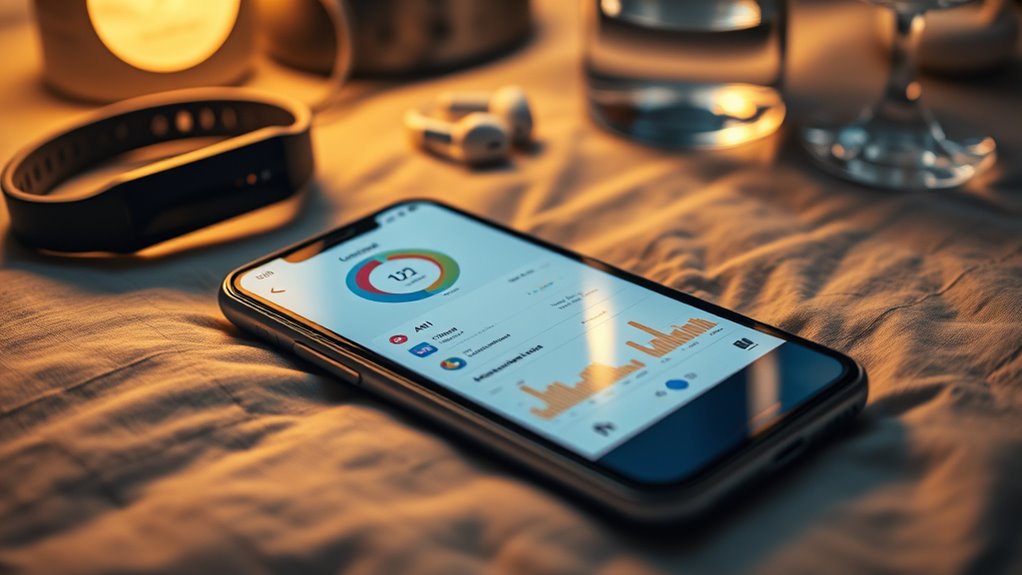
Access to activity and movement data is a critical component of data permissions, as it directly influences how organizations collect, share, and utilize personal information. When you grant access, the app can track your sleep cycle and daily movements using movement sensors. This data helps analyze your activity patterns, providing insights into your overall health and sleep quality. By monitoring how much you move during the night or day, the app can identify restlessness or periods of deep sleep. However, sharing this information raises privacy concerns, especially if it’s shared with third parties. You should understand exactly what movement data is collected, how it’s stored, and who has access, ensuring your activity information remains protected and used responsibly.
Permissions for Sleep Pattern Analysis

Permissions for sleep pattern analysis determine whether apps can monitor and interpret your sleep data. When granted, they access details about your sleep cycle, including how long you stay in different sleep stages, and may even analyze your dreams through dream analysis features. This data helps the app provide personalized insights, like sleep quality and suggestions for improvement. However, these permissions often require access to your phone’s sensors or other sensitive data, raising privacy concerns. Be aware that granting permission doesn’t just benefit the app’s functionality; it also means your sleep patterns become part of your digital footprint. Always review what specific data the app requests and consider whether you’re comfortable sharing this level of detail about your nights.
Sharing Data With Third Parties

Ever wonder what happens to your sleep data once you grant an app permission? When you share your data with third parties, it can be used to improve health benefits like personalized wellness programs or targeted health insights. Companies often partner with third parties to analyze aggregated data, which can enhance user engagement by offering more tailored experiences. However, your data might also be shared for marketing or research purposes, sometimes without clear transparency. While this sharing can lead to innovative health solutions, it’s vital to understand how your data might be used beyond your control. Always review app privacy policies and consider whether sharing your sleep data aligns with your comfort level and privacy priorities.
Managing and Protecting Your Permissions

Once you’ve granted data access to an app, it’s important to take steps to manage and protect those permissions. Your user behavior influences how apps use your data, so regularly review app settings to make sure permissions align with your comfort level. Limit permissions to only what’s necessary for app functionality, especially for sensitive data like sleep patterns or location. Take advantage of app customization options to control what data is shared and when. Also, revoke permissions for apps you no longer use or trust. Staying vigilant helps prevent unnecessary data exposure and keeps your information secure. By actively managing permissions, you maintain control over your data and ensure apps only access what you intend, reducing privacy risks.
Frequently Asked Questions
Can Sleep Apps Access My Camera Without My Knowledge?
No, sleep apps can’t access your camera without your knowledge. However, privacy concerns arise because some apps request unnecessary permissions, like camera access, which they shouldn’t need for sleep tracking. Always review app permission practices carefully and only grant permissions that are essential. If an app asks for camera access without a clear reason, it’s best to deny it and consider other options to protect your privacy.
Do Sleep Apps Share Data With Insurance Companies?
Think of your sleep data as a hidden river flowing silently behind the scenes. Some sleep apps do share your data with insurance companies, raising privacy concerns. Always review their data sharing policies carefully, because what you think is private might be flowing into the hands of third parties. Staying informed helps you protect your privacy and make smarter choices about which apps to trust with your personal information.
How Secure Are My Sleep Data Stored by These Apps?
Your sleep data’s security depends on the app’s practices. Many use data encryption to safeguard your information, but privacy concerns still exist, especially if the company shares data with third parties. Always review the app’s privacy policy, verify it uses strong encryption, and consider limiting permissions. Staying informed helps you gauge how well your sleep data is protected and whether you’re comfortable with the app’s security measures.
Can I Revoke Permissions After Granting Them?
Absolutely, you can revoke permissions after granting them—think of it as your digital superpower. Managing your privacy concerns is essential, and permission management makes it easy to control what data your sleep app accesses. Simply go to your device settings, find the app, and adjust permissions. This way, you stay in charge of your personal information, ensuring your sleep insights stay private and under your control, whenever you decide.
Do Sleep Apps Track My Conversations or Messages?
Sleep apps generally don’t track your conversations or messages, but they do raise privacy concerns related to data sharing. They often collect sleep patterns, health data, and device information, which could be shared with third parties if you’re not careful. To protect your privacy, review app permissions and privacy policies, and consider revoking unnecessary access. Always stay informed about how your data is used to keep your personal information secure.
Conclusion
Understanding what sleep apps ask for helps you make informed choices. For example, if a sleep app requests your microphone to analyze snoring sounds, consider whether you’re comfortable with that. By managing permissions carefully, you protect your privacy and make sure your data isn’t shared without your consent. Stay vigilant, read permissions closely, and only grant what’s necessary. Your sleep data is personal—take control and keep it secure.
Evergreen bestsellers Picks
bestsellers
As an affiliate, we earn on qualifying purchases.