
TL;DR

Get wellness gear delivered free with Prime
- Fast, free delivery on millions of items
- Prime Video, Amazon Music and more included
- Member-only deals all year
At-home wellness tech devices include fitness trackers, sleep monitors, and mental wellness tools that help you track health metrics easily. Recent innovations leverage AI and advanced sensors for better insights. Choose devices wisely, considering accuracy, privacy, and your personal goals.
Imagine having a tiny health coach on your wrist, guiding your daily choices with real-time data. Or a smart mattress that understands your sleep patterns better than you do yourself. At-home wellness tech isn’t just a fad; it’s reshaping how you understand and manage your health every day. No matter your age or health goals, these devices make proactive self-care simple, immediate, and personalized.
In this guide, you’ll discover what types of wellness devices are available, the latest innovations making waves, and how you can select the right tools for your needs. Ready to take control of your health with tech that fits seamlessly into your life? Let’s explore what’s possible today.
Choose devices that align with your specific health goals—whether tracking sleep, activity, or mental wellness.
Recent tech advances, like AI and advanced sensors, significantly improve the accuracy and usefulness of at-home health tools.
Prioritize privacy and data security by selecting reputable brands and reviewing their policies.
Use wellness devices as guides, not replacements for medical advice. Consult professionals for health issues.
Start small—test one device, learn your patterns, then expand your ecosystem for holistic health tracking.
What are the most common types of at-home wellness tech devices?
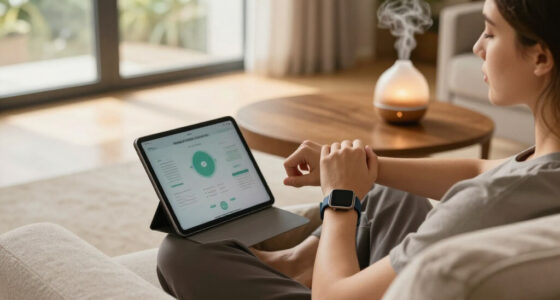
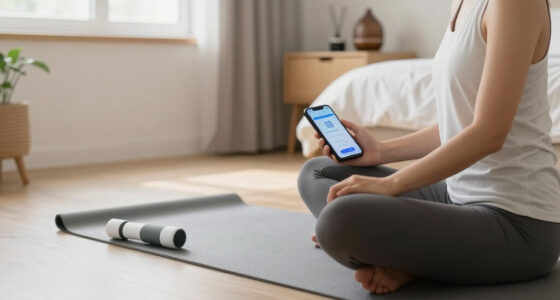
At-home wellness devices come in many forms, each serving a specific purpose. Fitness trackers and smartwatches are popular for monitoring activity, heart rate, and sleep. Sleep devices range from smart mattresses to sleep rings that analyze sleep stages with precision. Mental wellness gadgets like meditation headbands and mood sensors help you manage stress. Health monitoring devices such as blood pressure monitors and pulse oximeters keep tabs on vital signs without leaving your couch. Biohacking gadgets, including red light panels and neurostimulation tools, aim to optimize your body’s performance.
For example, a Fitbit or Apple Watch tracks daily steps, calories, and sleep patterns. Meanwhile, a Withings Sleep mat offers in-depth sleep cycle analysis right under your mattress. Mental wellness devices like Muse headbands guide you through meditation sessions, providing real-time feedback on your brain activity. These tools make it easier than ever to understand your body’s signals without constant doctor visits.
fitness tracker with sleep monitoring
As an affiliate, we earn on qualifying purchases.
As an affiliate, we earn on qualifying purchases.
What features make at-home wellness devices truly useful?
Look for devices that collect meaningful data and turn it into practical insights. Data tracking and analytics help you understand trends over time, which is crucial because health is dynamic and context-dependent. For instance, a sleep tracker that shows you not only sleep duration but also sleep quality and interruptions can reveal patterns linked to stress, diet, or environmental factors, enabling targeted improvements. Personalized recommendations are equally important—they translate raw data into specific actions, like adjusting your bedtime or workout intensity, which can significantly impact your health outcomes. Compatibility with your smartphone and other health apps ensures seamless integration, making it easier to see the bigger picture. An intuitive interface reduces barriers to consistent use, turning these devices into daily health allies rather than burdens.
For example, some sleep trackers analyze your sleep patterns over weeks, identifying subtle shifts that may indicate underlying issues like anxiety or allergies. Fitness devices that suggest incremental increases in activity prevent overexertion and injury, especially for beginners or those with health conditions. Ultimately, the most useful devices are those that empower you with actionable insights, helping you make smarter, more informed decisions about your lifestyle and health management.
smart sleep mattress with sleep analysis
As an affiliate, we earn on qualifying purchases.
As an affiliate, we earn on qualifying purchases.
What are the main benefits of using at-home wellness tech?
Using these devices brings convenience. They eliminate the need for frequent clinic visits for routine monitoring, enabling you to maintain a continuous awareness of your health status. This ongoing access supports preventive care, as early detection of anomalies—like irregular heart rhythms or poor sleep quality—can prompt timely interventions, potentially avoiding more serious health issues down the line. Many devices incorporate gamified elements—such as earning badges for meeting daily activity goals—which boost motivation and adherence. Furthermore, these tools simplify complex health data into visual trends and summaries, making it easier for you to understand and act on your health information without specialized training.
Imagine discovering that your sleep quality declines during stressful periods, prompting you to develop better stress management techniques. Or noticing elevated heart rates during certain activities, leading you to consult a healthcare professional before symptoms worsen. By providing real-time feedback and historical data, these devices foster a proactive approach—helping you stay ahead of potential health problems and fostering sustainable lifestyle changes.
mental wellness meditation headband
As an affiliate, we earn on qualifying purchases.
As an affiliate, we earn on qualifying purchases.
What recent tech advancements are making these devices smarter?
Recent innovations are dramatically enhancing the accuracy, depth, and usability of at-home wellness devices. Advanced sensors like ECG (electrocardiogram) and SpO2 (blood oxygen saturation) sensors now provide detailed physiological data that was previously available only in clinical settings. These sensors enable early detection of issues such as arrhythmias or hypoxia, giving users a chance to seek medical advice proactively. AI-powered algorithms analyze this complex data in real-time, identifying subtle patterns and anomalies that might escape traditional metrics, thus enabling preventive interventions. Sleep tech has also advanced with smart mattresses and rings that can monitor sleep stages with lab-level accuracy, offering insights into sleep architecture and disturbances.
For instance, some devices now detect irregular heart rhythms—like atrial fibrillation—using embedded ECG sensors, which can be critical for early diagnosis. Mental wellness tools like Muse headbands incorporate biofeedback and guided meditation programs, which adapt to your brain activity, helping deepen relaxation and mental clarity. Additionally, remote health monitoring platforms connect these devices to telehealth services, allowing quick professional consultations when abnormalities are detected. These technological strides are making at-home health management more reliable, personalized, and integrated into broader healthcare systems, ultimately empowering users to take more informed control of their wellbeing.
As an affiliate, we earn on qualifying purchases.
How do I pick the best at-home wellness device for me?
- Identify your main health goals—tracking activity, sleep, stress, or specific conditions. Understanding your priorities helps you select features that will have the most impact and avoid unnecessary complexity or expense.
- Compare features—look for accuracy, ease of use, and app integration. Consider whether the device provides comprehensive insights or just basic metrics, and how well it fits into your daily routine.
- Check reviews and certifications—positive user feedback indicates reliability, while certifications like FDA approval or CE marking suggest adherence to safety and efficacy standards. These factors are crucial for ensuring the device’s credibility and your safety.
- Set your budget—prices vary widely. Recognize that higher cost often correlates with more detailed data and medical-grade features, but also consider whether those features are necessary for your health goals.
- Test compatibility—ensure the device syncs seamlessly with your existing tech ecosystem, including smartphones, fitness apps, and health platforms. Compatibility reduces frustration and makes data analysis more straightforward.
Choosing the right device involves understanding that not all features are equally valuable for every individual. For instance, if your primary concern is sleep quality, investing in a device with detailed sleep stage analysis and environmental sensors might be more beneficial than a generic fitness tracker. Conversely, if stress management is your focus, look for gadgets with biofeedback and guided meditation features. Consider the tradeoffs—more advanced devices usually come with a higher price tag and a steeper learning curve. Aligning your choice with your specific health priorities and lifestyle ensures you get a tool that genuinely supports your wellness journey without unnecessary complexity or expense.
What should you keep in mind regarding privacy and accuracy?
Many at-home wellness devices handle sensitive health data, which makes privacy a critical consideration. Reputable brands adhere to strict standards like GDPR or HIPAA, which set rigorous guidelines for data protection and user confidentiality. However, it’s essential to scrutinize privacy policies—some devices share data with third parties or use it for targeted advertising, potentially risking your privacy. Beyond privacy, accuracy is vital; while these devices are increasingly sophisticated, they are still tools that aid your understanding rather than definitive diagnostic instruments. Recognizing their limitations helps prevent over-reliance or misinterpretation, which could lead to unnecessary anxiety or overlooked issues.
For example, a blood pressure monitor might provide reliable readings under proper use, but factors like cuff placement, user technique, or environmental conditions can introduce inaccuracies. If readings are consistently inconsistent or abnormal, consulting a healthcare professional remains essential. Balancing trust in your devices with professional medical advice is crucial—these tools are meant to supplement, not replace, clinical judgment. Additionally, being vigilant about privacy settings and data sharing options ensures your sensitive information remains protected. Opt for brands that transparently communicate their data practices and implement robust security measures, so you can confidently use your devices as part of your health management while safeguarding your personal information.
Frequently Asked Questions
Are at-home wellness devices accurate enough to rely on for health decisions?
Many devices are quite accurate for general monitoring, like step counts and sleep stages. However, they shouldn’t replace professional medical advice for diagnosis or treatment. Use them as part of your overall health awareness.
How do I pick the right device for my personal needs?
Start by defining your goals—tracking activity, sleep, or stress. Compare features, check reviews, and consider your budget. Compatibility with your existing devices and privacy policies should also guide your choice.
Are these devices safe and privacy compliant?
Reputable brands follow strict privacy standards like GDPR or HIPAA. Always review a device’s privacy policy and security features to ensure your sensitive health data is protected.
Can these gadgets replace doctor visits?
They are excellent for ongoing monitoring and motivation but should complement, not replace, professional healthcare. Regular check-ups remain essential for comprehensive health management.
What’s the typical cost of at-home wellness tech devices?
Prices range from under $50 for basic fitness trackers to several hundred dollars for advanced medical-grade devices. Consider your budget and your specific health goals when choosing.
Conclusion
At-home wellness tech devices are no longer just fancy gadgets—they’re powerful tools that put your health in your hands. They help you understand your body better, motivate healthier choices, and catch issues early. The key is to pick the right tools, use them wisely, and stay connected with healthcare pros when needed.
Imagine your health journey as a well-tuned orchestra—tech is the conductor guiding every note. Are you ready to lead your own symphony of well-being?
Fall Picks
fall essentials
As an affiliate, we earn on qualifying purchases.