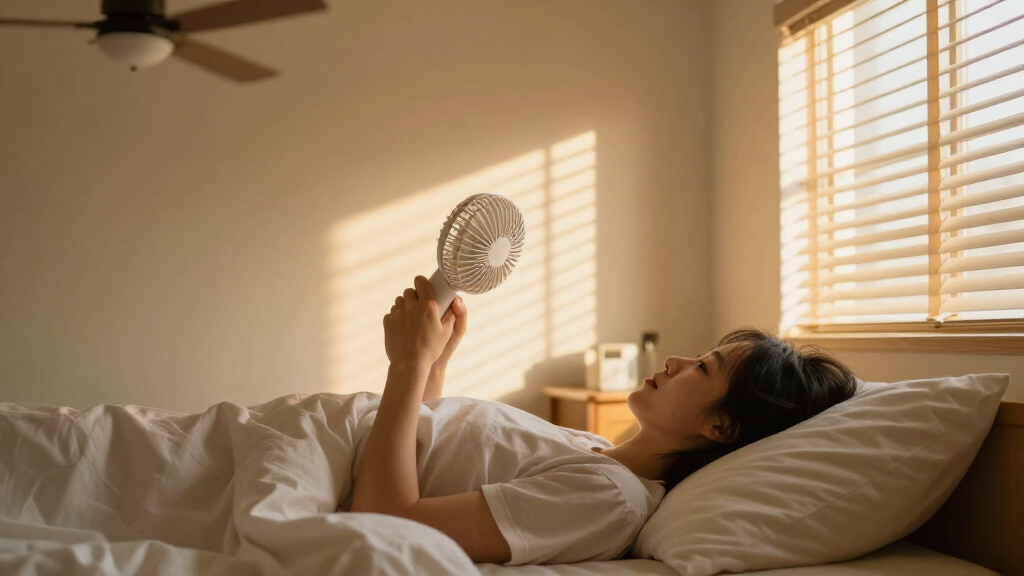

TL;DR

Get wellness gear delivered free — and shop member deals
- Fast, free delivery on millions of items
- Access to Prime Big Deal Days deals on October 6–7
- Prime Video, Amazon Music and more included
Sleeping in hot weather is challenging due to physiological and mental factors. Experts recommend cooling strategies and behavioral adjustments to improve sleep quality during heatwaves.
Sleeping well during hot weather remains difficult, with experts confirming that high temperatures directly impair sleep quality and increase discomfort. As heatwaves persist across many regions, understanding effective cooling strategies is essential for maintaining health and well-being.
Research and expert opinions indicate that high ambient temperatures interfere with the body’s natural cooling process, making it harder to fall asleep and stay asleep. Dr. Shelby Harris, founder of NY Sleep and Psychology, states that hot nights can cause both physical discomfort and mental stress, leading to increased irritability and emotional reactivity.
Physiologically, the body attempts to regulate core temperature by increasing blood flow to the skin and sweating. However, in very hot and humid conditions, these cooling mechanisms become less effective, disrupting melatonin production and delaying sleep onset, according to Dr. Yi Cai, a sleep specialist at Columbia University.
Behavioral strategies such as keeping the bedroom cool, using breathable bedding, and employing cooling devices are recommended by experts. For example, closing blinds during the day, sleeping on lower floors, and using light, moisture-wicking fabrics can help reduce discomfort. Experts also advise avoiding alcohol, caffeine, and heavy meals before bed, as these can worsen sleep disruption.
While cooling methods like fans with ice or placing pillowcases in the freezer provide temporary relief, they are not substitutes for a genuinely cool environment. The effectiveness of these tactics varies depending on individual circumstances and the severity of the heat.
How To Get A Good Night’s Sleep In Hot Weather
Hot nights interrupt the body’s natural temperature drop, weaken its cooling mechanisms and add a layer of mental stress. The best response combines a genuinely cooler room with simple behavioral changes.
Sleep begins with a temperature drop
Core body temperature normally falls at night. A hot or humid room obstructs that signal, while discomfort keeps the brain alert.
Ambient heat rises
The bedroom retains warmth, especially upstairs or after direct afternoon sun.
Cooling loses efficiency
Blood moves toward the skin and sweating increases, but humidity slows evaporation.
Sleep signals weaken
The expected core-temperature decline is delayed, interfering with sleep onset and melatonin timing.
Stress completes the loop
Frustration and repeated waking increase alertness, irritability and emotional reactivity.
Six practical levers that matter
Prioritize the room itself. Small hacks can help, but fans, chilled fabrics and damp cloths cannot fully compensate for a dangerously hot environment.
Block daytime heat
Close blinds or curtains before direct sunlight reaches the room. Ventilate when outdoor air becomes cooler.
High impactSleep on a lower floor
Warm air rises. Move temporarily to the coolest safe room or lowest suitable level of the home.
High impactReduce trapped warmth
Choose light, breathable and moisture-wicking sheets. Remove heavy duvets, mattress toppers and layered blankets.
High impactUse cooling devices wisely
Air conditioning cools most effectively. Fans improve circulation; ice placed nearby may provide brief local relief.
Situation dependentKeep sleepwear loose
Wear lightweight fabrics and apply a cool, damp cloth to pulse points without making the bed excessively wet.
SupportiveAvoid internal heat loads
Limit alcohol, late caffeine and heavy evening meals, all of which can compound fragmented sleep.
PreventiveWhat helps—and what has limits
Use quick fixes as supporting measures. A cooler, climate-controlled space remains the strongest option in extreme heat.
| Strategy | Room cooling | Body comfort | Duration | Best use |
|---|---|---|---|---|
| Air conditioning | ✓ Strong | ✓ Strong | Continuous | Safest effective cooling during severe heat |
| Fan and airflow | ~ Moderate | ✓ Helpful | Continuous | Circulation when air temperature is manageable |
| Blinds closed by day | ✓ Preventive | ~ Indirect | All evening | Reducing heat accumulation before bedtime |
| Breathable bedding | ✗ No | ✓ Strong | All night | Reducing trapped heat and moisture |
| Frozen pillowcase | ✗ No | ~ Brief | Short-lived | Temporary comfort, not primary cooling |
| Cool damp cloth | ✗ No | ~ Local | Short-lived | Pulse points and pre-sleep relief |
A four-step heatwave sleep plan
Start before bedtime. The aim is to prevent heat buildup, reduce bodily strain and avoid turning wakefulness into a stress cycle.
Prepare the room early
Shade windows during the day. Once outdoor temperatures fall, create cross-ventilation or activate climate control.
Simplify the bed
Use one breathable sheet, remove heat-trapping layers and choose loose, lightweight sleepwear.
Lower the behavioral load
Avoid alcohol, late caffeine and heavy meals. Hydrate normally without forcing excessive fluid intake.
Move if the space stays hot
Use the coolest safe area available. During extreme heat, prioritize a climate-controlled location over sleep hacks.
Watch for dizziness, confusion, weakness, nausea or worsening illness. Seek medical help for signs of heat-related illness, and follow local heat advisories.
Some people need more than comfort measures
Older adults, people with chronic conditions and anyone taking medication that affects temperature regulation or hydration may face greater risk. A climate-controlled environment and individualized medical advice can be important.
Guides kept up to date
Cooling equipment and sleep tracking can support a broader plan, but products should complement—not replace—a safe sleep environment.
12 Best Cooling Sleep Products in 2026
See the top picks →8 Best Sleep Tracking Devices for Students in 2026
See the top picks →13 Best Personalized Sleep Trackers in 2026
See the top picks →What remains uncertain
Short-term cooling and behavioral strategies are useful, but their long-term effectiveness varies by climate, building design, health status and access to cooling.
What comes next
Researchers are examining long-term health effects, sustainable cooling technologies and public-health guidance as heatwaves become more frequent and intense.
Impacts of Heat on Sleep and Well-Being
Understanding how heat affects sleep is vital because poor sleep during heatwaves can exacerbate health issues, impair cognitive function, and increase emotional stress. As climate change leads to more frequent and intense heatwaves, adopting effective cooling strategies becomes increasingly important for public health and daily functioning.
As an affiliate, we earn on qualifying purchases.
Heatwaves and Sleep Disruption: Recent Trends and Advice
Recent data from Google Trends and health experts highlight a surge in sleep difficulties during heatwaves, with many experiencing trouble falling asleep or waking frequently. Historically, high temperatures have been linked to decreased sleep duration and quality, especially in regions lacking widespread air conditioning. Experts emphasize that behavioral adjustments and environmental modifications are crucial for coping with these conditions, especially as global temperatures continue to rise.
“When people cannot sleep because they are too hot, it often becomes both a physical and a mental challenge.”
— Dr. Shelby Harris
As an affiliate, we earn on qualifying purchases.
Uncertainties About Long-Term Solutions and Adaptation
While immediate strategies like cooling devices and behavioral adjustments are supported by current evidence, the long-term effectiveness of these methods across diverse environments remains uncertain. Additionally, the impact of climate change on the frequency and severity of sleep-disrupting heatwaves suggests a need for further research into sustainable, large-scale solutions.
As an affiliate, we earn on qualifying purchases.
Future Research and Public Health Recommendations
Researchers plan to investigate the long-term health effects of sleep disruption caused by heatwaves and develop more efficient cooling technologies. Public health agencies are expected to update guidelines on sleep management during heat events, emphasizing environmental modifications and behavioral strategies. Meanwhile, individuals are encouraged to adopt proven cooling techniques and stay informed about heat advisories.
As an affiliate, we earn on qualifying purchases.
Key Questions
What are the most effective ways to stay cool at night during a heatwave?
Experts recommend keeping the bedroom dark and cool by closing blinds, using light, breathable bedding, employing fans with ice, and sleeping in the coolest part of your home. Wearing loose, lightweight pajamas and placing damp cloths on pulse points can also help.
Can I use an air conditioner or fan safely during heatwaves?
Yes. Air conditioning is the most effective method for cooling a room. Fans can help circulate air, especially when combined with ice or damp cloths. Ensure proper maintenance and avoid overusing fans to prevent dehydration or heat exhaustion.
Are there health risks associated with trying to cool down in extreme heat?
While cooling strategies are generally safe, overhydration or exposure to cold sources like ice packs can cause discomfort or minor health issues. It’s important to balance hydration and avoid sudden temperature shifts. Consult healthcare providers if you have underlying health conditions.
How does heat affect sleep quality in vulnerable populations?
Vulnerable groups such as the elderly or those with chronic illnesses may experience more severe sleep disruptions and health risks during heatwaves. Special precautions, including climate-controlled environments and hydration, are recommended for these populations.
Source: Google Trends
Fall Picks
fall essentials
As an affiliate, we earn on qualifying purchases.