TL;DR
Massage guns deliver percussive therapy to muscles, boosting blood flow and reducing soreness. They’re effective when used properly and have seen recent innovations like quieter motors and smarter features. Incorporating them into your routine can make recovery smoother and quicker.
Ever feel like your muscles are screaming after a tough workout? Or maybe you’ve tried stretching and foam rolling, but still wake up stiff. That’s where massage guns step in—a modern, high-tech way to give your muscles a quick, targeted boost.
These handheld devices aren’t just a trendy gadget; they’re transforming recovery routines for athletes, fitness enthusiasts, and anyone who wants to feel better faster. In this article, you’ll learn what makes massage guns effective, the latest innovations, and how to use them safely for maximum benefit.
Use a massage gun for 1-2 minutes per muscle group, focusing on sore or tight spots.
Choose a device with adjustable speed, multiple attachments, and good battery life for your needs.
Recent models are quieter and smarter, making recovery routines more comfortable and personalized.
Always start with gentle pressure and lower speeds—listen to your body to avoid bruising or discomfort.
Combine massage gun use with stretching, hydration, and proper rest for best results.
What makes massage guns a game-changer for recovery?
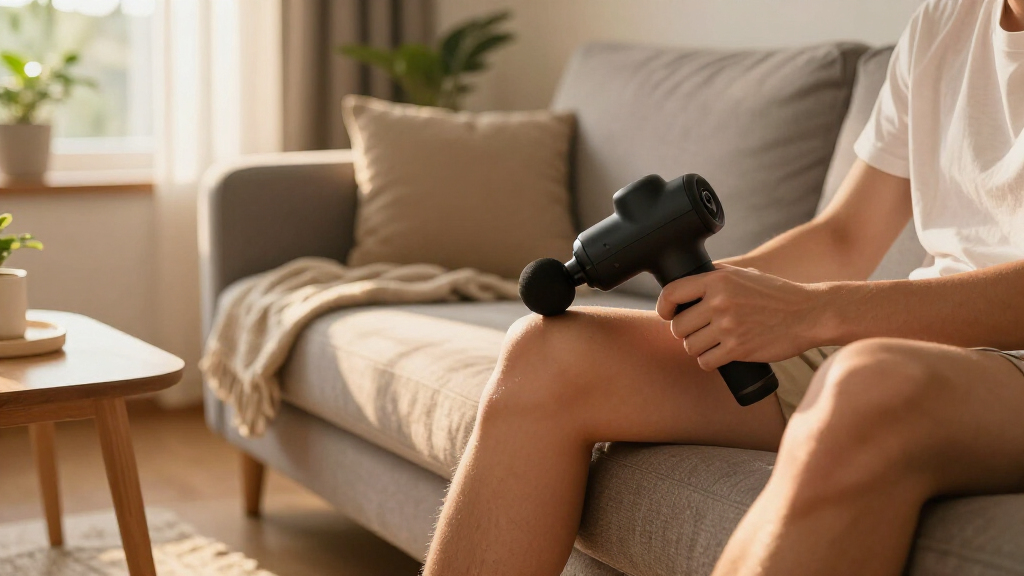
Massage guns are handheld devices that deliver quick, repetitive taps—called percussive therapy—right into your muscles. Imagine a tiny hammer rhythmically knocking on your sore spots, but with adjustable speed and pressure. This action increases blood flow, which helps clear out metabolic waste and brings fresh oxygen and nutrients to your tissues.
Why does this matter? Enhanced circulation accelerates the natural healing process, helping to reduce inflammation and muscle tightness more efficiently than passive methods alone. The rhythmic pulses also stimulate the nervous system, which can temporarily block pain signals, leading to immediate relief. However, it’s important to understand the tradeoff: applying too much pressure or using the device excessively can cause tissue irritation or bruising, especially in sensitive areas. Recognizing the balance between effective stimulation and overuse is key to maximizing benefits without injury.
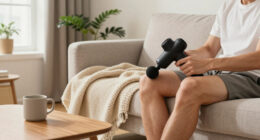
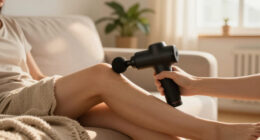
For example, after a long run, a quick 2-minute session on your calves can relax tight muscles and reduce that familiar burning sensation. The repetitive pulses also help loosen up fascia—the connective tissue that can get stiff and restrict movement. Over time, consistent use can improve muscle elasticity and joint mobility, which are vital for overall athletic performance and daily function. But, neglecting proper technique or overdoing sessions might lead to soreness or tissue damage, so understanding how to use these devices properly is essential for safe recovery.
Research from sports science shows that this targeted therapy can cut recovery time by promoting circulation and easing muscle tension. That means you get back to training faster, feeling more limber. The key implication? Massage guns are not just quick fixes; when used thoughtfully, they can be integrated into a comprehensive recovery plan that balances rest, nutrition, and mobility work.
As an affiliate, we earn on qualifying purchases.
How to pick the perfect massage gun for your needs
Choosing the right massage gun isn’t just about the price or brand. It’s about matching features to your goals and comfort. Think of it like selecting a good pair of shoes—fit, function, and feel matter.
Here’s what to look for:
- Motor Power: More power means deeper, more intense pulses. If you’re an athlete or deal with stubborn knots, look for models with higher amplitude and speed options. However, more power isn’t always better; excessive force can cause tissue damage if misused. The tradeoff is between effective deep tissue stimulation and the risk of overstimulation or discomfort, especially for beginners or those with sensitive tissues.
- Attachments: Different heads target different muscle groups. A ball head works well for large muscles, while a bullet is better for pinpoint pain. Choosing the right attachment ensures you deliver the appropriate pressure and focus, which can influence recovery effectiveness. Using an incorrect attachment might lead to less relief or even aggravate existing soreness if not matched properly.
- Battery Life: Longer sessions need longer battery life. Many devices last from 2 to 6 hours depending on usage. Consider your typical routine; frequent travelers or those doing multiple daily sessions benefit from longer-lasting batteries to avoid interruptions during recovery.
- Noise Level: Quieter models let you relax without disturbing others. Some operate as quietly as a whisper, which is important if you want a discreet, calming experience or need to use the device in shared spaces. Noise levels can also influence how comfortable you feel during use, especially in quiet environments like offices or bedrooms.
- Price Range: Budget options start at around $50, but high-end models can cost over $600. Setting your budget involves considering how often you’ll use the device and which features are essential. Cheaper models may lack durability or some smart features, but can still be effective if used correctly. Conversely, investing in a higher-end model often offers better longevity, quieter operation, and more customization options, which could justify the cost if you’re serious about regular recovery routines.
For example, if you’re a runner who needs quick recovery after each session, a lightweight, powerful model with multiple attachments and long battery life could be your best bet. But if you’re a casual user, a simpler device might suffice, emphasizing ease of use and affordability. Understanding these tradeoffs helps you select a device that balances your budget with your recovery needs and comfort preferences.
percussive therapy device with adjustable speed
As an affiliate, we earn on qualifying purchases.
As an affiliate, we earn on qualifying purchases.
What’s new? The latest tech in massage guns
The massage gun market is evolving fast. Recent models boast smarter features and better design. For instance, many now connect to smartphone apps, letting you customize routines or track your usage.
Technological improvements include:
- Stronger motors: Deeper tissue penetration, up to 16mm amplitude for effective treatment. This allows for more precise targeting of stubborn knots and deeper muscle layers, which can be especially beneficial for athletes with intense training loads. However, increased power might also mean louder operation or a heavier device, so users need to balance power with comfort and portability.
- Longer battery life: Some devices now last over 6 hours on a single charge, perfect for travel or extended use. Longer battery life reduces the need for frequent recharging, enabling more consistent recovery routines. But, higher-capacity batteries may add to the weight and cost of the device, which could influence portability and affordability considerations.
- Quieter operation: Advanced motor design and soundproofing make devices as quiet as a soft hum, even at high speeds. Quiet operation enhances the user experience by allowing use in shared spaces or during relaxation without disturbance. However, achieving quietness often involves tradeoffs with motor power or device size, so some models might compromise slightly on depth of therapy to maintain low noise levels.
- Ergonomic design: Handles shaped for comfort and better grip help target hard-to-reach muscles. An ergonomic design reduces user fatigue and improves control, making sessions more effective and comfortable. But, more sophisticated designs might increase manufacturing costs or complexity, potentially raising prices.
- Smart features: Compatibility with fitness apps allows you to set goals, get feedback, and optimize recovery routines. These features enable a more personalized approach, tracking progress and adjusting routines based on your activity levels. The tradeoff here is increased reliance on technology, which might require learning new apps or interfaces, and possible privacy concerns with data tracking.
Imagine coming home from a workout, opening your app, and following a personalized massage plan—tech making recovery more intuitive and effective than ever before. While these innovations offer significant benefits, understanding their tradeoffs helps you choose a device that fits your lifestyle and recovery goals.
quiet massage gun with multiple attachments
As an affiliate, we earn on qualifying purchases.
As an affiliate, we earn on qualifying purchases.
Are massage guns safe? What you need to know
Massage guns are generally safe when used properly, but caution is key. Overuse or applying too much pressure can cause bruising or discomfort. Think of it like a gentle tap versus a hammer blow.
For example, using the device on a tender spot for more than a minute might irritate the tissue, rather than help it relax. Always start with lower speeds and lighter pressure, then adjust as your muscles respond.
People with certain health issues—like blood clotting disorders, skin infections, or nerve damage—should check with a healthcare professional before trying a massage gun. Pregnant women and those with pacemakers should proceed with extra caution.
Remember: massage guns are tools to support recovery, not a cure-all. Use them thoughtfully, and listen to your body’s signals.
muscle recovery massage gun for athletes
As an affiliate, we earn on qualifying purchases.
As an affiliate, we earn on qualifying purchases.
How to use your massage gun like a pro
Using a massage gun effectively is about technique and moderation. Here’s a simple step-by-step:
- Pick the right attachment: Use a ball for large muscles, a bullet for pinpoint spots.
- Start slow: Begin at the lowest speed to gauge comfort.
- Apply gentle pressure: Let the device do the work—don’t push too hard.
- Target each muscle for 1-2 minutes: Focus on sore spots, but avoid staying on the same area for too long.
- Stay mindful of your body: If you feel pain or excessive discomfort, stop or reduce intensity.
For example, after a gym session, spend 2 minutes on your quads, calves, or shoulders—targeting tight spots with deliberate, controlled movements can make a real difference.
Consistency matters. Regular use, combined with stretching and hydration, boosts your recovery game.
How massage guns compare to other recovery tools
| Feature | Massage Gun | Foam Roller | Stretching | Massage Stick |
|---|---|---|---|---|
| Ease of use | One-button operation, quick targeting | Requires effort, needs proper technique | Passive, needs flexibility | Handheld, simple |
| Depth of therapy | Deep tissue penetration up to 16mm | Superficial, depends on pressure | Light to moderate stretch | Moderate, depends on user |
| Time required | 1-2 minutes per muscle | 5-10 minutes | Varies, usually 10-20 minutes | 1-3 minutes per area |
| Portability | High, cordless, lightweight | High, portable | High, no equipment needed | High |
While foam rollers and stretching are excellent, massage guns offer targeted, deep relief quickly. They’re especially handy for pinpointing stubborn knots that resist rolling or stretching.
Conclusion
Massage guns can become your secret weapon for faster recovery, better flexibility, and less soreness. They’re like a personal masseuse at your fingertips—powerful, precise, and ready whenever you need a boost.
Remember, they’re a tool to support your routine, not replace good habits. Incorporate them thoughtfully, and your muscles will thank you with every move you make.