To log naps effectively, use wearable devices or sleep apps that track physiological signs like heart rate, movement, and brain activity. Be consistent with your logging, noting the time, duration, and context of each nap. Differentiating genuine naps from resting helps you understand their effect on your sleep patterns. Properly recorded data reveals habits to adjust for better alertness and sleep quality. Keep exploring, as this can profoundly enhance your sleep health and daytime energy.

Get wellness gear delivered free — and shop member deals
- Fast, free delivery on millions of items
- Access to Prime Big Deal Days deals on October 6–7
- Prime Video, Amazon Music and more included
Key Takeaways
- Use wearable devices or sleep tracking apps that monitor physiological signals to automatically detect naps.
- Consistently log nap start and end times, noting duration and context for accurate data analysis.
- Differentiate between actual naps and rest periods by analyzing heart rate, movement, and sleep stages.
- Review nap data regularly to identify patterns affecting nighttime sleep quality and alertness.
- Adjust your napping routine based on insights to optimize energy levels and prevent sleep disruptions.
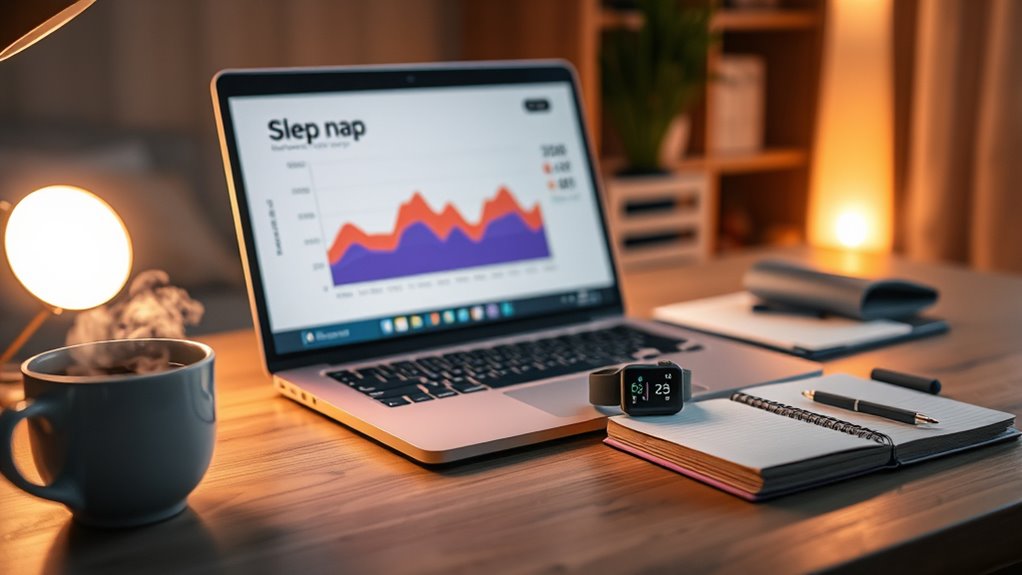
Many people struggle to recognize when they’re actually taking a nap, which can lead to disrupted sleep cycles and decreased alertness later in the day. Without proper awareness, you might find yourself unintentionally falling into short, fragmented rest periods that don’t fully restore your energy or improve your sleep quality. This can make you feel groggy or sluggish when you need to be most alert, especially during work or important activities. That’s why accurately logging your naps is essential. When you track your daytime rest, you gain a clearer picture of how it impacts your overall sleep health and your ability to stay alert throughout the day. Proper nap detection helps you optimize your sleep schedule, ensuring your rest is restorative rather than disruptive.
Recognizing and logging naps helps improve sleep quality and keeps you alert throughout the day.
By using wearable devices or sleep tracking apps, you can detect when you’re actually napping versus just resting or relaxing. These tools analyze heart rate, movement, and sometimes even brain activity to differentiate between wakefulness, light sleep, and deeper rest states. When you log your naps consistently, you develop a better understanding of your natural sleep patterns, which can directly influence your sleep quality. Knowing when and how long you nap allows you to adjust your routine to avoid oversleeping or napping at the wrong times, both of which can interfere with nighttime sleep. Better sleep quality, in turn, enhances your daytime alertness, making it easier to focus and stay energized without relying on caffeine or other stimulants.
Incorporating regular nap logs into your daily routine also helps you identify patterns that may be harming your sleep health. For example, if you notice that long or late-afternoon naps leave you feeling more tired or disrupt your nighttime sleep, you can modify your habits. The key is to keep your naps brief—typically 20 to 30 minutes—to prevent sleep inertia and maintain overall sleep efficiency. When you understand how your naps influence your wakefulness and sleep quality, you can make smarter choices that support your physical and mental well-being.
Understanding your sleep cycles through accurate nap detection allows you to better align your rest with your body’s natural rhythms, leading to more restorative sleep and improved alertness during your waking hours. Ultimately, effective nap detection isn’t just about recording when you rest; it’s about understanding how those naps fit into your broader sleep cycle. When you log your naps accurately and analyze the data, you empower yourself to improve your sleep quality and boost your daytime alertness. This proactive approach helps you gain control over your sleep health, leading to more energized days and better overall well-being.
Frequently Asked Questions
How Accurate Are Current Nap Detection Devices?
Current nap detection devices are fairly accurate, especially when sensor calibration is maintained properly. Your user compliance also plays a key role; wearing devices correctly and consistently improves detection quality. These devices use accelerometers and heart rate sensors to identify sleep patterns, but slight inaccuracies can occur if sensors aren’t calibrated or if you don’t follow instructions. Overall, they provide reliable data, but consistent use and calibration optimize their accuracy.
Can Nap Data Predict Overall Sleep Quality?
A chain is only as strong as its weakest link, and nap data can reveal your sleep cycle disruptions. If you track nap duration and timing, you may predict your overall sleep quality, as frequent or poorly timed naps can indicate underlying issues. While helpful, remember that naps are just one piece of the puzzle; they complement your nightly sleep pattern and influence overall restfulness.
What Are the Privacy Concerns With Nap Logging?
You might worry about privacy concerns when logging naps, especially if your data isn’t secure. Data security is essential to protect your personal sleep patterns from unauthorized access. Always choose apps with strong encryption and privacy policies, and be cautious about sharing your data. By understanding these privacy concerns, you can better control who sees your information and guarantee your nap logs remain confidential.
How Can Nap Data Improve Daily Productivity?
Did you know that a 20-minute nap can boost cognitive benefits by up to 40%? You can improve daily productivity by using nap data for fatigue management, allowing you to schedule rest periods strategically. Logging naps helps identify patterns, so you optimize your energy levels, stay alert longer, and perform better. Embracing this data-driven approach makes it easier to maintain focus and accomplish tasks more efficiently throughout your day.
Are There Any Health Risks From Frequent Napping?
Frequent napping can pose health risks if your nap duration is too long, leading to sleep inertia that leaves you groggy and disoriented. Short naps, around 10-20 minutes, are generally safe and boost alertness. However, long naps may interfere with nighttime sleep and increase risks for health issues like obesity or diabetes. Be mindful of your nap duration to avoid these risks and maintain overall health.
Conclusion
By accurately logging your naps, you reveal surprising insights about your daily rhythm—sometimes when you least expect it. As you track these moments, you might find patterns that help boost your energy and focus, turning accidental snoozes into valuable data. It’s a small habit that coincides with better self-awareness, showing how simple logging can unexpectedly improve your day. Embrace the coincidence; your naps could be the key to a more balanced, refreshed you.
Fall Picks
fall essentials
As an affiliate, we earn on qualifying purchases.