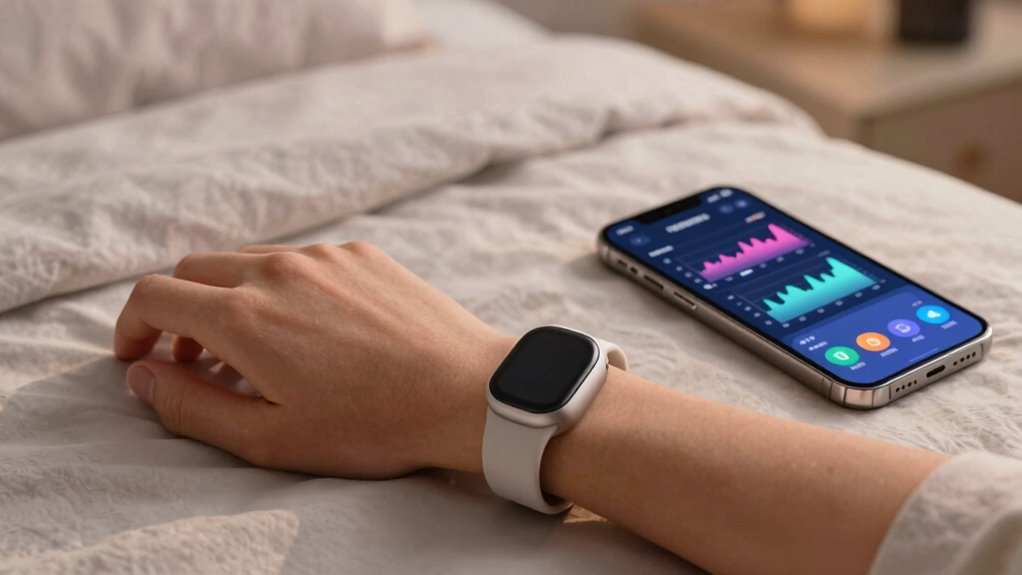
Sleep science wearables have become essential tools for anyone serious about improving sleep quality and overall health. The best models provide detailed sleep tracking, physiological insights, and even biohacking features. The Oura Ring stands out as the best overall for its comprehensive data and comfort, while the Whoop Strap 4.0 excels for athletes seeking in-depth recovery metrics. However, tradeoffs include cost, complexity, and what specific features you truly need. Keep reading to see how these options compare and find the right fit for your sleep and wellness goals.

Get wellness gear delivered free with Prime
- Fast, free delivery on millions of items
- Prime Video, Amazon Music and more included
- Member-only deals all year
Complete the kit


Key Takeaways
- Top-performing sleep wearables combine advanced biometric tracking with user-friendly interfaces.
- Battery life and comfort often dictate daily wearability and data consistency.
- Price varies greatly, with premium options offering more detailed insights at a higher cost.
- Some devices focus on sleep alone, while others integrate broader health metrics and biohacking features.
- Choosing the right wearable depends heavily on your specific goals—whether improved sleep, athletic recovery, or general wellness.


More Details on Our Top Picks
Perytong 2 Pack Sleep Headphones Bluetooth 5.4 Headband, Wireless Music Mask for Men Women Side Sleepers, Sweat Resistant Sport Headband
This option stands out for its ultra-thin speakers embedded in a soft, breathable headband, making it one of the most comfortable choices for side sleepers compared to bulkier designs. Its long 14-hour battery life and Bluetooth 5.4 ensure high-quality stereo sound without frequent recharging, perfect for relaxing, working out, or traveling. While the washable material adds convenience, the removable speakers are somewhat delicate and might not withstand rough handling. Its Bluetooth range is solid, but compatibility is limited to Bluetooth-enabled devices, which could be restrictive for some users. Compared to the similar Perytong 2 Pack Sleep Headphones, this model offers a slightly more integrated design but shares similar limitations in durability and device compatibility.
Pros:- Ultra-thin speakers provide comfort for side sleeping
- Long-lasting 14-hour battery with quick recharge
- High-quality stereo sound with Bluetooth 5.4
- Washable, sweat-proof materials
Cons:- Removable speakers may be fragile and prone to damage
- Battery life varies with usage intensity
- Limited to Bluetooth devices, not wired options
Best for: Side sleepers who prioritize comfort and long battery life in a washable, lightweight headband
Not ideal for: Users seeking wired connectivity or those who prefer more rugged, durable headbands for active use
- Speaker Size:40mm
- Bluetooth Version:5.4
- Battery Life:14 hours
- Charging Time:1-2 hours
- Range:25 meters
- Material:Spandex, nylon, elastic fiber
- Washable:Yes
- Microphone:Built-in
Our verdict“This model is ideal for side sleepers who want comfort, long battery life, and washable design, but it trades durability for flexibility.”
Science of Sleep and Athletic Performance: How to Recover Faster, Train Harder, and Compete at Your Best
This book makes the list for athletes and fitness enthusiasts eager to understand the science behind sleep’s impact on recovery and performance. Unlike wearable devices, it offers evidence-based strategies grounded in scientific research, providing a comprehensive framework to optimize sleep for athletic gains. It’s especially useful for those who want to improve training results without investing in gadgets, though it lacks specific product details or practical wearable tech insights. Compared with the more tech-focused The Biohacker’s Sleep Code, this book emphasizes proven strategies over advanced tech, making it more accessible for beginners but less detailed on specific wearable applications.
Pros:- Provides scientifically validated insights
- Practical strategies for recovery and training
- Suitable for a wide range of athletic levels
Cons:- No specific product recommendations or wearable tech focus
- Limited detail on implementation beyond general advice
Best for: Athletes and fitness enthusiasts looking for scientifically backed sleep improvement strategies
Not ideal for: Readers seeking detailed information on sleep wearables or tech-driven solutions
Our verdict“This book is perfect for athletes wanting to maximize performance through proven sleep science, rather than tech solutions.”
The Biohacker’s Sleep Code: Unlocking Peak Performance Through Advanced Sleep Science, Wearables, and Nootropic Stacks
This book is ideal for those already familiar with sleep optimization and interested in integrating advanced wearables and nootropic stacks to enhance sleep quality. Compared with traditional guides, it offers a more technical, data-driven approach, emphasizing the use of wearables to track and improve sleep cycles. Its focus on performance enhancement makes it less suitable for beginners or those seeking simple sleep advice. The strategies are comprehensive, but without specific product reviews, users must select their own tech tools, which requires some prior knowledge. For a more basic introduction, the Sleep Optimized book might be easier, but less detailed on tech integration.
Pros:- Detailed strategies combining sleep science and tech
- Focuses on performance and health optimization
- Integrates advanced wearable data tracking
Cons:- Highly technical, may overwhelm beginners
- No specific product endorsements or reviews included
Best for: Experienced biohackers and performance-focused users comfortable with technical strategies and wearable tech
Not ideal for: Beginners or those looking for easy, general sleep advice without tech complexity
Our verdict“This book suits tech-savvy users aiming to fine-tune sleep with wearables and nootropic stacks for peak performance.”
Sleep Optimized: The Evidence-Based Guide to Better Rest, Sharper Thinking, and Longer Health
This guide offers a straightforward, research-backed approach to improving sleep quality and mental clarity. Unlike wearable-focused books, it emphasizes practical, scientifically validated tips that anyone can implement without specialized devices. It’s particularly suitable for those who want to understand the science behind sleep and cognitive benefits, but it doesn’t include specific tech recommendations or detailed sleep tracking methods. Compared with The Biohacker’s Sleep Code, this book is less technical and more accessible, making it a good choice for new learners or those skeptical of tech solutions.
Pros:- Science-backed, easy-to-understand advice
- Practical tips for better sleep and cognition
- Focuses on long-term health benefits
Cons:- Lacks specific product or device guidance
- Limited content on wearable sleep tracking solutions
Best for: Individuals seeking evidence-based, practical strategies to improve sleep and mental function without relying on gadgets
Not ideal for: Tech enthusiasts or users looking for detailed wearable device integration
Our verdict“Perfect for readers who want scientifically validated sleep tips without the complexity of tech or wearables.”
Perytong 2 Pack Sleep Headphones Bluetooth 5.4 Headband with Long-Lasting Playtime and Ultra-Thin Speakers
This pick makes the most sense for budget-conscious users who still want reliable sleep headphones. Its ultra-thin speakers embedded in a soft, breathable headband deliver decent sound quality for sleep, relaxation, or entertainment. The 14-hour battery life and Bluetooth 5.4 ensure stable, long-lasting connections, but fit can be an issue for some head sizes, and sound quality depends heavily on device pairing. Compared to the more premium Perytong 2 Pack Sleep Headphones, this version offers similar features at a lower price but may compromise on durability and fit for some users. It’s a good entry point, though not the most durable for active or heavy use.
Pros:- Affordable price point
- Ultra-thin speakers for comfort
- Long 14-hour battery life with fast charging
- Breathable, washable material
Cons:- Fit may be awkward for larger heads
- Sound quality highly dependent on device pairing
- Battery life could decrease with frequent use
Best for: Budget-conscious sleepers seeking comfortable, wireless headphones for occasional use
Not ideal for: Active users or those with larger head sizes who need a more secure, durable fit
- Speaker Size:40mm
- Bluetooth Version:5.4
- Battery Life:14 hours
- Charging Time:1-2 hours
- Range:25 meters
- Material:Spandex, nylon, elastic fiber
- Washable:Yes
- Microphone:Built-in
Our verdict“This model suits budget-minded users wanting dependable, comfortable sleep headphones, accepting some tradeoffs in fit and durability.”
Neuro Hacks: Design Focus and Sleep-Boosting Wearables
This book stands out for its deep dive into the engineering principles behind neurotech wearables aimed at enhancing focus and sleep. Unlike the more comprehensive Wearable Sleep Technology which evaluates device performance, Neuro Hacks provides practical insights for designing neurostimulation devices, making it invaluable for engineers and developers rather than consumers. Its focus on the technical side means it lacks specific product specs or user-focused features. The tradeoff is that this book offers a rich understanding of how neurowearables are built, but it won’t help someone choose a ready-made device. Best for those wanting to understand the engineering fundamentals of sleep and focus tech, not for users seeking easy-to-use products.
Pros:- Provides detailed engineering insights into neurotechnology wearables
- Focuses on improving both focus and sleep through design principles
- Ideal for those interested in the technical development of neurotech devices
Cons:- Lacks detailed technical specifications of commercial products
- No customer reviews or real-world testing data
Best for: Engineers, neurotechnology developers, and tech enthusiasts interested in device design
Not ideal for: Casual consumers seeking ready-to-wear sleep solutions or user-friendly interfaces
- Target Audience:Engineers, neurotech developers
- Focus Areas:Design principles, neurostimulation
- Content Type:Theoretical, technical insights
- Practical Application:Device development
Our verdict“This book is best suited for professionals or enthusiasts aiming to understand the engineering behind sleep and focus neurowearables, not for immediate consumer use.”
The Wearable Health Revolution: How Smart Devices Are Quietly Reshaping Wellness and Medicine
This book offers a broad view of how wearable health devices are transforming wellness and medicine, making it a good complement to Wearable Sleep Technology, which focuses specifically on sleep devices’ history and performance. Compared to the more technical Wearable Sleep Technology, this book emphasizes practical applications in health monitoring and personalized care, though it may feel dense for casual readers. Its strength lies in contextualizing sleep wearables within the larger health ecosystem, but it doesn’t provide detailed technical specs or user guidance. The tradeoff is that it’s more about the impact of wearables rather than how to select or use them effectively. This is ideal for health professionals, researchers, or serious wellness enthusiasts wanting a broad understanding of wearables’ role in health.
Pros:- Explains the evolving role of wearables in health and medicine
- Provides context for understanding sleep devices within overall wellness trends
- Suitable for professionals and tech-savvy health enthusiasts
Cons:- Lacks detailed technical specifications of individual devices
- Might be too technical or dense for casual readers
Best for: Health professionals, medical researchers, and wellness advocates interested in the broader impact of wearables
Not ideal for: Casual consumers seeking specific product reviews or sleep improvement tips
- Coverage Areas:Health monitoring, personalized care
- Intended Audience:Health professionals, researchers
- Technical Depth:High, research-oriented
- Focus on Sleep Tech:Contextual, impact-driven
Our verdict“This book is best for those seeking a comprehensive understanding of how wearable health tech, including sleep devices, is shaping modern medicine and wellness, rather than for quick product comparisons.”
Wearable Sleep Technology: History, Evaluation, and Performance
This book offers a thorough history and in-depth performance analysis of wearable sleep technology, making it a valuable reference for those who want to understand how these devices have evolved and how well they work. Unlike the more consumer-oriented Sleep Optimized, which provides practical tips for better sleep, Wearable Sleep Technology digs into the technical evaluation of various devices, including accuracy and reliability. While this level of detail is perfect for researchers, it can be overwhelming for casual users seeking simple sleep improvements. Its focus on technical performance means it lacks straightforward advice for everyday consumers. The tradeoff is a detailed understanding of device capabilities versus ease of use for non-experts. This book is best for sleep professionals, researchers, and serious hobbyists interested in device performance metrics.
Pros:- Provides a detailed history of sleep wearables’ development
- Includes comprehensive performance evaluations and device comparisons
- Useful for understanding technical accuracy and reliability
Cons:- Highly technical, may be difficult for casual readers
- Limited practical advice for improving sleep quality directly
Best for: Sleep researchers, clinicians, and technical evaluators of sleep wearables
Not ideal for: Casual sleepers or consumers wanting quick, actionable sleep tips
- Scope:History, device evaluation, performance metrics
- Target Audience:Researchers, clinicians, device evaluators
- Technical Level:Advanced, data-driven
- Focus on Devices:Performance and accuracy analysis
Our verdict“This book is ideal for researchers and professionals seeking a deep understanding of wearable sleep device performance, not for casual users or those seeking quick fixes.”

How We Picked
The products in this roundup were evaluated based on accuracy of sleep and physiological tracking, ease of use, comfort for nightly wear, battery life, and overall build quality. We also considered value for money, versatility of features, and user feedback. Devices that offered a clear advantage in at least one key area were ranked higher, with a focus on real-world applicability rather than niche or overly complex tech. Our goal was to highlight options suited for a wide range of users, from beginners to advanced biohackers.Factors to Consider When Choosing Sleep Science Wearables
When selecting a sleep science wearable, it’s important to consider factors beyond just features. Think about how comfortable it will be to wear overnight, whether the device offers accurate sleep data, and if its interface suits your tech comfort level. Price can also be a decisive factor—more expensive models often provide deeper insights but may not be necessary for casual users. Additionally, consider battery life, as frequent charging interrupts continuous tracking. Compatibility with other health apps and whether the device supports your specific goals also matter. Lastly, beware of devices that promise too much without proven accuracy, and focus on those backed by credible sleep science.Accuracy and Data Quality
Reliable sleep data is the foundation of a good wearable. Look for devices validated by research or with a history of consistent, accurate tracking. Some wearables use multiple sensors or advanced algorithms to improve accuracy, especially in distinguishing between sleep stages. Inaccurate data can lead to misguided health decisions, so prioritize well-reviewed models with transparent validation. Remember, even high-end devices aren’t perfect, but a well-designed sensor array makes a significant difference.
Comfort and Wearability
Since sleep wearables are worn overnight, comfort is paramount. Devices that are bulky, intrusive, or cause irritation will discourage consistent use. Consider form factors—wearables like rings or soft headbands tend to be less obtrusive than bulky wristbands. The material quality and weight also impact comfort, especially for side sleepers. Choosing a device you forget you’re wearing is crucial for long-term reliability and meaningful data collection.
Battery Life and Convenience
Battery life directly affects whether you can wear the device continuously without frequent recharging. Devices with longer battery life—often several days—offer more seamless tracking and less hassle. Some models require nightly charging, which can interrupt data collection or require a backup device. Balance your need for detailed data against the practicality of regular charging routines to avoid gaps in sleep insights.
Integration and Ecosystem Compatibility
Many users prefer wearables that sync with health apps or platforms they already use. Compatibility with Apple Health, Google Fit, or dedicated wellness platforms can streamline data analysis and help you see the bigger picture of your health. Consider whether the device supports exporting data for third-party analysis or integrates with sleep coaching services. A cohesive ecosystem enhances the value of your investment and simplifies tracking over time.
Price and Value
Price points in this category range from budget options to premium devices costing several hundred dollars. Higher-priced options often include more sensors, better data validation, and additional features like heart rate variability or biohacking tools. However, more expensive doesn’t always mean better for your specific needs. Carefully weigh what features are essential versus those that are nice-to-have, and consider whether a mid-range device offers the best balance of cost and value for your goals.
Frequently Asked Questions
Can sleep science wearables really improve my sleep quality?
Sleep wearables provide detailed insights into your sleep patterns, which can help identify issues like poor sleep quality or sleep disturbances. By understanding these patterns, you can make targeted lifestyle adjustments, such as improving sleep hygiene, adjusting bedtime routines, or managing stress. While they don’t directly improve sleep, the data they supply can be a powerful tool for making informed changes that lead to better rest over time. Remember, consistent use and interpreting the data correctly are key to seeing real improvements.
Are higher-priced sleep wearables worth the investment?
Premium devices typically offer more advanced sensors, validated data, and additional features such as biometric tracking or biohacking tools. If you’re serious about optimizing sleep or integrating sleep data into a broader health or athletic performance plan, the extra investment can be justified. However, for casual users or those new to sleep tracking, mid-range options may provide sufficient insights without the higher cost. Evaluate your goals carefully to determine whether the added features align with your needs.
How accurate are sleep stage measurements on these devices?
Sleep stage accuracy varies widely among wearables. While some high-end devices have been validated against polysomnography—the gold standard—they still have limitations. Most consumer devices use heart rate and movement sensors, which can sometimes misclassify REM, deep, or light sleep. For most users, tracking overall sleep duration and quality is more reliable than precise staging. If detailed sleep staging is critical, look for devices with validation studies or those that integrate multiple sensors.
Can I use sleep wearables if I have medical sleep issues?
Sleep wearables can provide useful insights, but they are not substitutes for medical diagnosis or treatment. If you have diagnosed sleep disorders like sleep apnea or insomnia, consult a healthcare professional who may recommend more comprehensive testing. Wearables can help track your sleep patterns at home and monitor improvements or responses to therapy, but they shouldn’t replace professional evaluation. Use them as supplementary tools alongside medical advice.
What features should I prioritize if I want to optimize athletic recovery?
For athletic recovery, focus on wearables that track heart rate variability, resting heart rate, and sleep stages with high accuracy. Devices like the Whoop Strap excel in providing detailed recovery metrics that help optimize training loads and prevent overtraining. Long battery life and comfort are also key, as athletes wear these devices frequently. Additionally, look for features that integrate with fitness apps and provide actionable insights to adjust your training based on sleep quality and physiological data.
Conclusion
The best overall sleep science wearable for most users is the Oura Ring, thanks to its balance of accuracy, comfort, and comprehensive insights. If you’re an athlete seeking detailed recovery metrics, the Whoop Strap 4.0 makes a compelling choice. For those on a budget or new to sleep tracking, mid-range options like the Fitbit Sense offer solid value. Premium buyers and biohackers should consider devices with advanced sensors and customization options, like the Biohacker’s Sleep Code. Ultimately, your choice should match your goals—whether improving sleep quality, enhancing athletic performance, or integrating with broader health routines.
Cold & flu season Picks
humidifiers
As an affiliate, we earn on qualifying purchases.