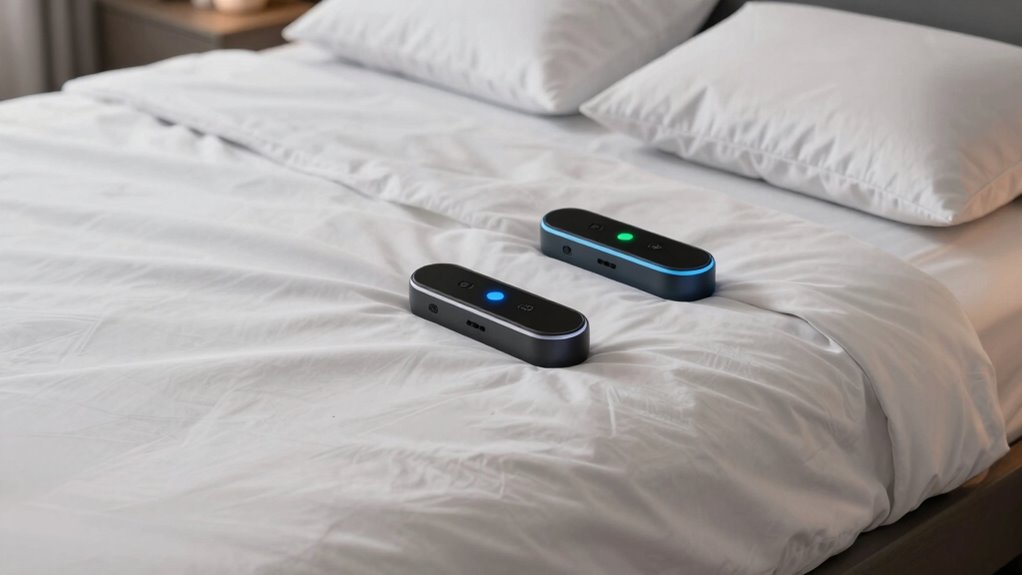

Choosing the right under mattress sleep tracker can significantly improve your sleep quality and daily wellbeing. For 2026, the market offers a variety of options, from simple sensors to advanced contactless monitors. Among the top contenders are the Withings Sleep, which excels in detailed sleep cycle analysis and smart home integration; the OZI Sleep Tracker, known for its contactless design and real-time alerts; and the Non-Wearable Radar-based Monitor, offering a high-tech approach with ambient features. Each of these has unique strengths and tradeoffs—whether it’s ease of setup, data richness, or compatibility—making it essential to match your priorities with the device’s capabilities.

Get wellness gear delivered free with Prime
- Fast, free delivery on millions of items
- Prime Video, Amazon Music and more included
- Member-only deals all year
Key Takeaways
- The Withings Sleep stands out for its detailed cycle tracking and smart home integration but requires placement under the mattress and may not suit all mattress types.
- The OZI Sleep Tracker offers a contactless experience with real-time alerts and comprehensive sleep data, ideal for households prioritizing safety and comfort without monthly fees.
- Radar-based models provide advanced contactless monitoring with ambient features, though they often lack detailed health metrics and can depend heavily on Wi-Fi stability.
- Non-wearable options tend to be easier to use for multiple users and families, but may sacrifice some depth of health metrics available from more sensor-rich devices.
- Choosing the best tracker depends on whether you prioritize detailed sleep analysis, convenience, or a non-intrusive setup.
| Withings Sleep – Under Mattress Sleep Tracking Pad with Cycle Analysis |  | Best Overall for Sleep & Smart Home Integration | Sensor Type: Under-mattress sleep sensor | Compatibility: Wi-Fi, Health Mate app, IFTTT | Mattress Thickness Range: 4 to 15 inches | VIEW ON AMAZON | See Our Full Breakdown |
| OZI Smart Sleep Tracker, Non-Wearable Contactless Under-Sheet Sleep Monitor |  | Best Contactless for Safety & Comfort | Sensor Type: Under-sheet contactless sensor | Compatibility: OZI app | Monitoring Features: Sleep stages, heart rate, breathing, movement | VIEW ON AMAZON | See Our Full Breakdown |
| Non-Wearable Smart Sleep Tracker, Contactless Sleep Monitor Device |  | Best High-Tech Radar Monitoring | Technology: Millimeter-wave radar | Connectivity: Wi-Fi 2.4GHz | Additional Features: White noise, ambient lighting | VIEW ON AMAZON | See Our Full Breakdown |
| Beautyrest Sleeptracker Monitor – Wearable-Free Sleep Tracker with App and Alexa Compatibility |  | Best for Smart Home Integration & Multi-User Tracking | Compatibility: Alexa, smart home systems | Type: Non-wearable sleep tracker | Features: Respiration, heart rate, sleep coaching | VIEW ON AMAZON | See Our Full Breakdown |
| Sleep Sensor Pad PVDF Under Mattress Sleep Tracker |  | Best Portable & Travel-Friendly Sensor | Technology: PVDF piezoelectric film | Design: Flexible, curlable, ultra-thin | Use: Home, travel, hotel | VIEW ON AMAZON | See Our Full Breakdown |
| under mattress sleep tracker | Compatibility |
|---|---|
| Withings Sleep | Wi-Fi, Health Mate app, IFTTT |
| OZI Smart Sleep Tracker | OZI app |
| Non-Wearable Smart Sleep Track | — |
| Beautyrest Sleeptracker Monito | Alexa, smart home systems |
| Sleep Sensor Pad PVDF Under Ma | — |
More Details on Our Top Picks
Withings Sleep – Under Mattress Sleep Tracking Pad with Cycle Analysis
This option stands out for its comprehensive sleep tracking and seamless smart home connectivity. The Withings Sleep sensor provides detailed insights into sleep cycles, snoring, breathing disturbances, and heart rate. Its automatic sync with the Health Mate app simplifies data collection, while IFTTT compatibility allows integration with smart home devices. Compared with other options, it offers a reliable, non-wearable experience, but its setup can be tricky for some users due to placement requirements and mattress thickness limits.
Pros:- Accurately tracks sleep cycles, snoring, and heart rate
- Easy app synchronization
- Smart home integration via IFTTT
Cons:- Requires placement under the mattress, which may be intrusive
- Limited to mattresses between 4 and 15 inches thick
- Placement can be challenging for some users
Best for: Users seeking detailed sleep analysis with smart home features
Not ideal for: Those with very thick mattresses or who dislike device placement under bedding
- Sensor Type:Under-mattress sleep sensor
- Compatibility:Wi-Fi, Health Mate app, IFTTT
- Mattress Thickness Range:4 to 15 inches
Our verdict“A strong all-rounder for tech-savvy users who want detailed sleep data and smart home connectivity in one device.”
OZI Smart Sleep Tracker, Non-Wearable Contactless Under-Sheet Sleep Monitor
This pick makes the most sense for households prioritizing comfort and safety without sacrificing data depth. The OZI Sleep Tracker slides under your sheet and monitors sleep stages, heart rate, breathing, and movement without any contact. It offers real-time alerts for bed exits and unusual activity, making it suitable for children, seniors, or couples. While setup is straightforward and it doesn’t require a subscription, it’s limited to sleep tracking and relies heavily on app connectivity, which could be a drawback for some users.
Pros:- Contactless and non-wearable design
- Detailed sleep and health data
- Real-time alerts for safety
Cons:- Placement under the sheet can be inconvenient
- Limited to sleep tracking only
- Dependent on app connectivity
Best for: Families, couples, or seniors needing non-intrusive sleep monitoring
Not ideal for: Users seeking extensive health metrics or medical-grade accuracy
- Sensor Type:Under-sheet contactless sensor
- Compatibility:OZI app
- Monitoring Features:Sleep stages, heart rate, breathing, movement
Our verdict“Ideal for users who want a hassle-free, contactless sleep monitor with safety alerts and comprehensive sleep insights.”
Non-Wearable Smart Sleep Tracker, Contactless Sleep Monitor Device
This radar-based device pushes the envelope in contactless sleep tracking with ambient features. Using millimeter-wave radar technology, it monitors sleep, heart rate, and breathing without contact, offering detailed reports and wellness suggestions. It also includes white noise and ambient lighting to improve sleep quality. However, its reliance on Wi-Fi and limited health metrics mean it’s less suited for those needing medical-grade accuracy or who dislike high-tech setups.
Pros:- Non-contact, radar-based technology
- Provides detailed sleep and wellness reports
- Includes ambient features for sleep environment
Cons:- Limited health metrics compared to sensor-based systems
- Requires stable Wi-Fi connection
- Not designed for medical use
Best for: Tech enthusiasts and wellness-focused households
Not ideal for: Users needing detailed medical data or simple interfaces
- Technology:Millimeter-wave radar
- Connectivity:Wi-Fi 2.4GHz
- Additional Features:White noise, ambient lighting
Our verdict“A cutting-edge choice for those interested in the latest sleep tech and ambient environment enhancements.”
Beautyrest Sleeptracker Monitor – Wearable-Free Sleep Tracker with App and Alexa Compatibility
This device appeals to users who want a non-wearable, smart home-compatible sleep tracker that can handle multiple sleepers. It analyzes respiration, heart rate, and sleep behaviors, providing personalized insights and coaching through its app. Its ability to monitor two people independently makes it suitable for couples or families. However, its availability is limited to the US, and setup depends on having compatible smart home devices, which may be a barrier for some users.
Pros:- Non-wearable and easy to use
- Accurate multi-user tracking
- Smart home integration with Alexa
Cons:- Limited availability outside the US
- Requires compatible app and smart home setup
- No detailed health metrics like oxygen levels
Best for: Smart home users wanting multi-user sleep tracking
Not ideal for: International users or those without compatible smart systems
- Compatibility:Alexa, smart home systems
- Type:Non-wearable sleep tracker
- Features:Respiration, heart rate, sleep coaching
Our verdict“Great for smart home enthusiasts who need multi-user, non-intrusive sleep insights with coaching.”
Sleep Sensor Pad PVDF Under Mattress Sleep Tracker
This ultra-thin, flexible sensor provides accurate sleep and movement tracking in a highly portable form. Its curlable, flexible design makes it suitable for home use or while traveling, allowing real-time sleep data collection even in hotels or temporary beds. While its simplicity is a plus, limited details about app integration or connectivity could restrict its usefulness for users seeking detailed analytics or smart features.
Pros:- Flexible, ultra-thin, and portable
- Accurate measurement of sleep and movements
- Suitable for travel and hotel stays
Cons:- Limited connectivity or app features
- Requires bedding layers for optimal use
- Lacks detailed health metrics
Best for: Travelers or users seeking a portable, flexible sleep sensor
Not ideal for: Those wanting extensive health metrics or app integration
- Technology:PVDF piezoelectric film
- Design:Flexible, curlable, ultra-thin
- Use:Home, travel, hotel
Our verdict“Ideal for travelers or those needing a discreet, portable sleep monitor with basic tracking.”

How We Picked
We evaluated under mattress sleep trackers based on accuracy, ease of setup, compatibility, and usability for different household types. Devices had to be contactless or semi-invisible, providing reliable sleep stage, heart rate, and breathing data, with minimal disruption to sleep. We compared features like app integration, alert systems, and whether they support multiple users. Cost, portability, and user reviews also factored into our selections, ensuring a mix of high-end, mid-range, and innovative options for various needs.
| under mattress sleep tracker | Compatibility |
|---|---|
| Withings Sleep | Wi-Fi, Health Mate app, IFTTT |
| OZI Smart Sleep Tracker | OZI app |
| Non-Wearable Smart Sleep Track | — |
| Beautyrest Sleeptracker Monito | Alexa, smart home systems |
| Sleep Sensor Pad PVDF Under Ma | — |
Factors to Consider When Choosing Under Mattress Sleep Trackers
When selecting an under mattress sleep tracker, your priorities should guide your choice. Consider whether you want detailed sleep cycle analysis, a contactless experience, or a device that integrates with your smart home. Think about mattress compatibility, ease of setup, and whether real-time alerts or wellness features matter most. Each type of device offers different tradeoffs—some prioritize accuracy, others convenience or safety. Understanding these differences will help you pick the right device for your lifestyle and sleep goals.
Types of Under Mattress Sleep Trackers
Devices range from sensor-based systems that track detailed sleep metrics to radar-based monitors that use high-tech technology to provide contactless, ambient sleep data. Sensor-based options like the Withings Sleep or PVDF pads tend to offer more precise health metrics, but require proper placement and compatibility considerations. Contactless models such as the OZI or radar-based monitors prioritize ease of use and comfort, often with additional features like ambient lighting or alerts, but may lack the depth of data found in more invasive sensors.
Key Features to Consider
Look for device compatibility with your existing apps or smart home systems if integration is important. Check mattress compatibility—most sensors are designed for specific thickness ranges. Decide if you need real-time alerts for safety or health concerns, or if detailed sleep staging and metrics are your priority. Portability can matter if you travel often, making flexible or ultra-thin sensors appealing. Finally, consider whether you want a device with additional features like white noise or ambient lighting to enhance sleep quality.
Pros and Cons of Contactless vs. Sensor-based Devices
Contactless devices, like radar or under-sheet sensors, are generally easier to set up and more comfortable for users who dislike wearing devices. However, they may provide less detailed health data and depend heavily on Wi-Fi stability. Sensor-based systems tend to deliver richer analytics, including sleep cycles, heart rate, and breathing, but require more careful placement and sometimes more maintenance. Your choice should align with your comfort level, technical comfort, and sleep monitoring needs.
Frequently Asked Questions
Are under mattress sleep trackers accurate?
While they may not match medical-grade devices, under mattress sleep trackers can provide reliable estimates of sleep stages, heart rate, and breathing patterns. Their accuracy depends on the technology used—sensor-based systems generally offer more precise data, while radar or contactless models are best for general sleep trends and safety monitoring. For most consumers, these devices offer a substantial improvement over traditional sleep logs or wrist-worn trackers without the hassle of wearing a device overnight.
Can I use multiple sleep trackers at the same time?
Using multiple devices simultaneously can sometimes lead to conflicting data, especially if they measure different parameters or use different technologies. It’s best to choose a device that suits your primary needs and stick with it for consistency. However, some households opt for a contactless monitor for safety and convenience, and supplement with a wearable for detailed health metrics if needed. Always check compatibility to avoid interference or data discrepancies.
Do these devices work for children or seniors?
Many contactless under mattress sleep trackers, like the OZI device, are suitable for children and seniors because they do not require wearing anything or complex setup. These devices can monitor sleep patterns and alert caregivers in case of unusual activity or bed exits. However, accuracy may vary based on age and movement patterns, so it’s wise to select a device specifically tested for multi-age households or consult product specifications.
Will these devices interfere with my sleep?
Most under mattress sleep trackers are designed to be unobtrusive and should not interfere with sleep. Contactless sensors and radar-based monitors operate quietly and without emitting disruptive light or sound. However, some users might find placement or the presence of a device under their bed slightly unsettling initially. It’s worth considering your comfort with device placement and whether ambient features like white noise or lighting might enhance your sleep experience.
What is the typical price range for these devices?
Under mattress sleep trackers vary widely in price, from budget-friendly options around $100 to high-end models costing over $300. Sensor-based systems with detailed analytics tend to be more expensive, while contactless monitors or portable pads are often more affordable. Your choice should balance your budget with your desired features, especially if advanced health metrics or smart home integration are priorities.
Conclusion
If you prioritize detailed sleep insights and smart home compatibility, the Withings Sleep makes an excellent choice. For households seeking a hassle-free, contactless experience with safety alerts, the OZI Sleep Tracker offers clear advantages. Those interested in cutting-edge technology and ambient sleep enhancement might prefer radar-based monitors. Budget-conscious buyers or travelers will find the PVDF sensor pad portable and practical. Ultimately, your selection depends on your sleep goals, comfort preferences, and tech environment.