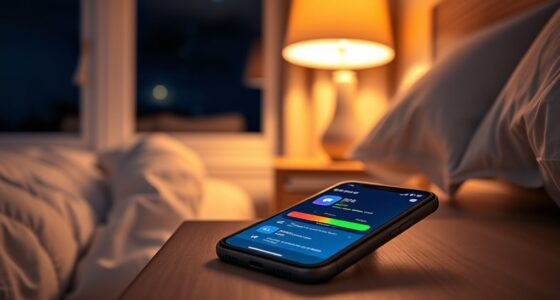
Using reminders helps you create a consistent wind-down stack by signaling your body when it’s time to relax and turn off stimulating activities. Set notifications 30 minutes before bed to prompt gentle routines like stretching or reading, and place your phone away to avoid distractions. These cues reinforce your habit, making it easier to unwind each night. Keep going, and you’ll discover more strategies to strengthen your nightly routine and improve your sleep quality.
Key Takeaways
- Set daily reminders 30 minutes before bedtime to prompt calming activities like stretching or reading.
- Use device notifications to alert when to power down screens and start your wind-down routine.
- Customize reminders with motivating messages emphasizing the benefits of relaxation and better sleep.
- Place physical cues, such as a designated charging station, alongside reminder alerts to reinforce disconnecting from devices.
- Schedule consistent reminder times to help establish a predictable, automatic wind-down routine over time.

Creating a wind-down stack is an essential step in ensuring a restful night. When you establish a clear sequence of calming activities, you signal to your body that it’s time to relax and prepare for sleep. The foundation of this stack often starts with consistent bedtime routines, which help regulate your internal clock and build a sense of predictability each night. By sticking to the same sequence every evening, you train your brain to associate these activities with winding down, making it easier to changeover into restful sleep. Incorporating a technology detox into your bedtime routines is equally important. As screens emit blue light that can disrupt melatonin production, reducing your screen time at least an hour before bed helps your body naturally produce the sleep hormone. Use reminders to cut off device usage, whether it’s setting alarms or notifications that alert you when it’s time to power down. This deliberate step prevents you from falling into the trap of scrolling late into the night, which often hampers your ability to fall asleep quickly.
To build an effective wind-down stack, start by setting reminders for each activity. For example, a notification 30 minutes before your intended bedtime can prompt you to begin your calming routine. This might include activities like gentle stretching, reading a book, or practicing deep breathing exercises. These activities should be low-stimulation, allowing your mind and body to relax naturally. Make sure to incorporate a technology detox as part of this process, turning off or putting away devices completely. You can also use physical reminders like placing your phone in another room or setting a designated charging station away from your bed. These small cues reinforce your intention to avoid screens and help you stay committed to your bedtime routine. Additionally, consistent use of reminders can help train your brain to associate your routine with relaxation and sleep.
Consistency is key when using reminders to build your wind-down stack. Over time, these cues will become automatic, making it easier to stick to your routine even on busy or stressful nights. Keep your reminders clear and specific—use language that motivates you, like “Time to unwind” or “Relax and disconnect.” If you find yourself tempted to check your phone, remind yourself of the benefits of a technology detox and how it contributes to better sleep quality. Every night, as you follow your personalized wind-down stack, you’ll notice it becomes more natural to transition from daytime activities into restful sleep. Over time, this structured approach will improve your sleep hygiene, leaving you feeling more refreshed and energized each morning.

3-in-1 Visual Timer & ADHD Tool for Kids|Adults
- 3-in-1 Visual Timer: Includes timer, clock, and chore chart
- Task and Chore Management: Features to-do list and chore board
- Silent and Adjustable Alerts: Silent, vibration, and ringing modes
As an affiliate, we earn on qualifying purchases.
Frequently Asked Questions
How Often Should I Update My Wind-Down Stack?
You should update your wind-down stack whenever your habits evolve or you notice new activities helping you relax. Regular habit tracking helps identify what works best, so review your stack every few weeks. This keeps your routine fresh and effective, preventing boredom. Adjustments make sure you’re forming strong habits, making your wind-down routine more enjoyable and sustainable over time. Consistent updates support better sleep and overall well-being.
Can Reminders Help Improve My Sleep Quality Long-Term?
Reminders act like a gentle lighthouse guiding your sleep journey, helping you stay on course. They can improve your sleep quality long-term by reinforcing good sleep hygiene and routine consistency. When you consistently use reminders to signal bedtime, your body learns to wind down naturally, making it easier to fall asleep and stay rested. Over time, this habit strengthens, creating a reliable pattern that promotes better sleep health.
What Apps or Tools Are Best for Setting Wind-Down Reminders?
You should try apps like Calm or Headspace for meditation reminders that help you relax before bed. Sleep trackers like Fitbit or Sleep Cycle can alert you when it’s time to start your wind-down routine. These tools send timely notifications, encouraging you to follow your sleep-prep activities. Combining meditation apps and sleep trackers creates an effective wind-down stack, helping you establish a consistent, calming bedtime routine for better sleep quality long-term.
How Do I Personalize My Wind-Down Reminders Effectively?
Think of your wind-down reminders as a tailored playlist for relaxation. To personalize them effectively, use customization options like choosing calming sounds, gentle notifications, or specific messages that resonate with you. Incorporate personalization strategies by setting reminders at consistent times and adjusting their tone or content to reflect your preferences. This way, your reminders become a comforting routine, guiding you smoothly into rest with signals that truly speak to you.
Are There Specific Times of Day Best for Using Reminders?
You should schedule your reminders during consistent times that align with your evening routine to optimize timing and promote habit consistency. For example, set a reminder an hour before bed to start winding down, then another closer to bedtime as a gentle cue. This timing optimization helps your body anticipate relaxation cues, making it easier to stick with your routine and improve your overall sleep quality.
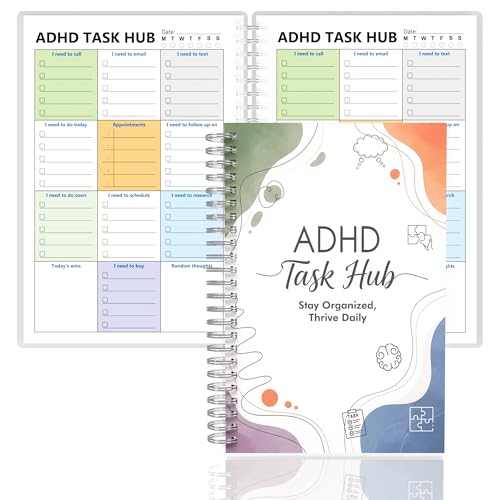
ADHD Planner for Focus & Productivity: Task Management Hub with Color-Coded Sections for Calls, Emails, To-Dos, Appointments & More. Reduce Overwhelm. A5, Durable Cover, 100gsm Paper, Spiral Bound
- Scientifically Structured for ADHD: Color-coded sections and categorized tasks
- Enhances Motivation & Clarity: Sections for wins and thoughts
- Premium Durable Quality: A5 size with sturdy cover and thick paper
As an affiliate, we earn on qualifying purchases.
Conclusion
By creating a personalized wind-down stack with helpful reminders, you can substantially improve your sleep quality. Studies show that consistent bedtime routines boost sleep efficiency by up to 50%. So, set those gentle cues to signal your body it’s time to unwind. Remember, small, intentional steps make a big difference. Start today, and you’ll find it easier to relax and enjoy restful nights—your best sleep is just a reminder away.

Exlliy Rotating Productivity Timer 5, 25, 10, 50 Minutes Preset, Desk Cube w/Gravity Sensor for ADHD, Mute Functions, Ideal for Work, Study, Kitchen, Back to School (1, Wood Grain Finish)
- Wood Grain Design: Natural, stylish, limited edition finish
- Time-Blocking Presets: Pre-set 5, 25, 10, 50 minutes
- Progress Visualization: Energy bar shows remaining time
As an affiliate, we earn on qualifying purchases.