
TL;DR
A paid partnership article describes how premium mattresses may combine materials such as foam, latex and coils with options including adjustable firmness and temperature management. These features could suit particular sleepers, but a higher price or longer feature list does not guarantee better comfort or durability.
A paid partnership with Sleep Number has laid out factors shoppers can use to compare premium mattresses with simpler designs, including construction, adjustable firmness and temperature features. Its central point is that a higher price does not automatically mean better sleep; whether an upgrade is worthwhile depends on how well its specific features match a household’s preferences.

Get wellness gear delivered free with Prime
- Fast, free delivery on millions of items
- Prime Video, Amazon Music and more included
- Member-only deals all year
The article describes a market that now spans conventional innerspring mattresses as well as models combining foam or latex, coils and adjustable support. Some products offer separate firmness settings for each side of the bed, responsive support that changes with movement, or materials and systems intended to manage temperature. These capabilities vary by mattress and model.
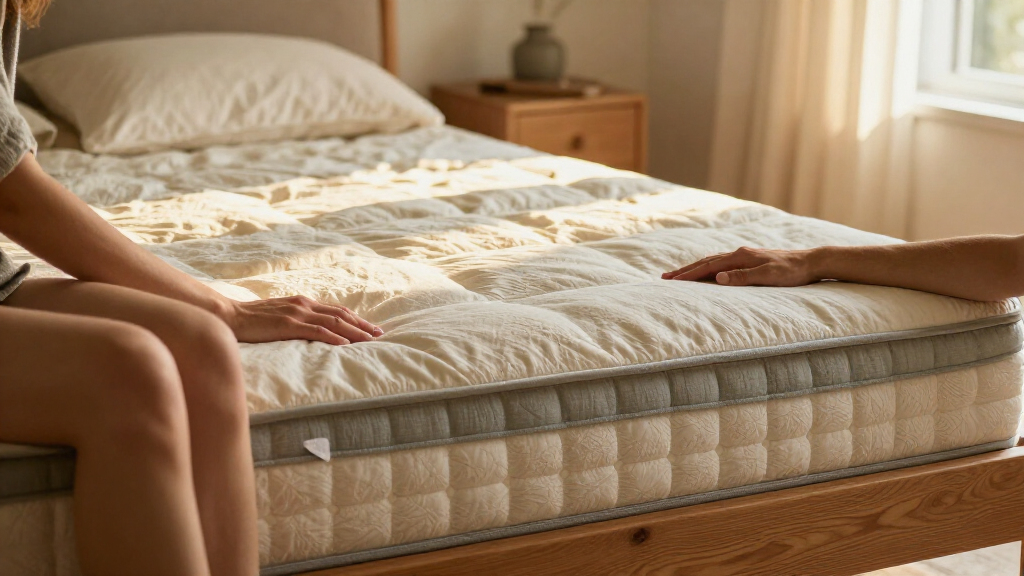
Different materials provide different sensations. Memory foam contours more closely to the body, while latex generally feels more buoyant. Innerspring mattresses use coils for support and a springier feel; hybrids combine coils with foam or latex layers. Layer arrangement and coil design also affect the overall feel and how movement may be felt across the bed.
The source cites Sleep Number products as examples, not as independent evidence that premium features improve sleep. It says the company’s collections include adjustable firmness, Responsive Air technology and temperature-management options, with combinations varying by model. Its ComfortNext Lux is described as combining foam, adjustable air support and individually wrapped micro coils; its ComfortMode Lux is described as allowing firmness changes by remote, without an app or Wi-Fi connection.
Is a Premium Mattress Right for Your Home? Match features to real needs
A sponsored guide describes options such as adjustable firmness and temperature management. The right choice depends on your preferences; a higher price does not guarantee better sleep.
Know the feel
Materials and their arrangement shape how a mattress feels.
Closer contour
Memory foam tends to contour more closely to the body.
More buoyant
Latex generally feels more buoyant than memory foam.
Mixed construction
Hybrids combine coils with foam or latex layers.
Start with your needs
Consider whether a feature addresses a recurring comfort preference.
Partners with different preferences can check whether settings adjust independently.
If you often feel too warm, ask what the system does and how it works.
Review construction, warranty and return terms alongside the price.
What the guide establishes
The article is a paid partnership and presents company product descriptions.
- Materials, adjustable firmness and temperature options
- Features that vary across models
- Independent comparative test results
- Long-term durability or better value
Features Must Match Real Needs
For shoppers, the practical question is whether a feature addresses a recurring problem. Independent firmness controls may appeal to partners who prefer different levels of firmness, while a person who often feels too warm may want to investigate temperature-management features. Someone who dislikes a sinking sensation may prefer a more responsive material such as latex.
These are potential points of fit, not guarantees of improved sleep. A feature list cannot establish how a mattress will feel to a particular person or how long it will last. The sponsored article itself cautions that more layers do not prove greater comfort or durability. Buyers comparing prices should focus on construction details, their own preferences and the terms of the warranty rather than assuming that a premium label settles the question.
That distinction matters because mattress prices can range from hundreds to thousands of dollars, while showroom appearance may not make the differences easy to assess. Taking time to compare options can help households avoid paying for functions they are unlikely to use—or overlooking a feature that could make sharing a bed more comfortable.
Products Worth Considering

Garmin Forerunner 165 GPS Running Smartwatch, 43 mm, Black

Fitbit Edge Activity Tracker – Silver/Fog – Small & Large Bands

Blueair Blue Pure 211i Max Smart Air Purifier for Large Rooms
As an affiliate, we earn on qualifying purchases.
From Coils to Adjustable Support
The source presents premium mattresses as an extension of familiar mattress designs rather than a separate category with one standard construction. Traditional innerspring, foam and latex models remain options, while hybrids combine materials and some newer systems add adjustable or responsive components. Not every premium model includes every capability, and the source does not provide a market-wide assessment of prices, sales or performance.
Sleep Number’s examples illustrate the range of features discussed in the partnership article. Adjustable firmness is intended to let partners select different settings, while Responsive Air is described as changing firmness in response to movement. The article says product features and combinations differ by model. Those descriptions are company-related product information within a sponsored article, rather than findings from comparative testing reported in the source.
“A higher price doesn’t automatically translate into better sleep.”
— Sponsored article
What Product Claims Establish
The supplied source does not include independent testing, comparative sleep research, prices for the examples, customer outcomes or long-term durability data. It therefore does not establish that premium mattresses generally improve sleep, that any named feature produces a particular result, or that a specific model offers better value than a less expensive alternative. Performance and durability remain unverified in this material.
It is also unclear how much any cited features add to a mattress’s price, what warranty terms apply to each model, or whether the described products are available in all markets. Shoppers would need to check current product specifications and sales terms directly before buying.
Compare Models Before Buying
Consumers considering an upgrade can compare the precise construction and features of models in their budget, then test the feel where possible. Couples may want to check whether firmness settings operate independently; people concerned about temperature can ask what the product’s management system does and whether it is passive or active. Warranty coverage and return terms are also worth reviewing alongside the price.
The next step is not simply choosing the mattress with the most technology. It is determining whether a feature solves a real comfort preference, checking its terms and comparing it with simpler alternatives. The source provides no follow-up testing or independent results, so the value of individual models remains a decision for buyers based on their needs and verified product details.
Key Questions
Does a premium mattress guarantee better sleep?
No. The source says a higher price does not automatically mean better sleep. The value depends on whether the materials and features suit the sleeper.
What is the benefit of adjustable firmness?
It can let people sharing a bed choose different firmness settings on their respective sides, rather than agreeing on one setting for the whole mattress. Product capabilities vary by model.
How do foam, latex and hybrid mattresses differ?
Memory foam tends to contour closely, latex is generally more buoyant, and hybrids combine coils with foam or latex comfort layers. The precise feel also depends on how the materials are arranged.
Do more layers mean a mattress will last longer?
Not necessarily. The article says layer count alone does not establish comfort or durability. Buyers should review construction details and warranty terms.
Is the information independent product testing?
No. The source identifies itself as a paid partnership with Sleep Number and does not provide independent comparative testing or long-term performance data.
Source: digitaltrends.com