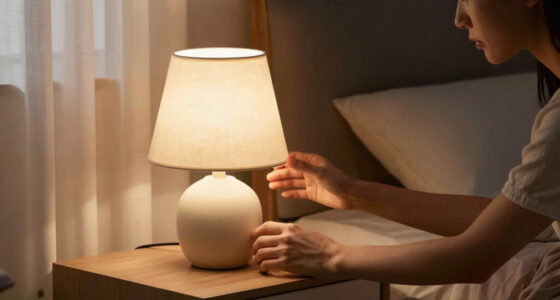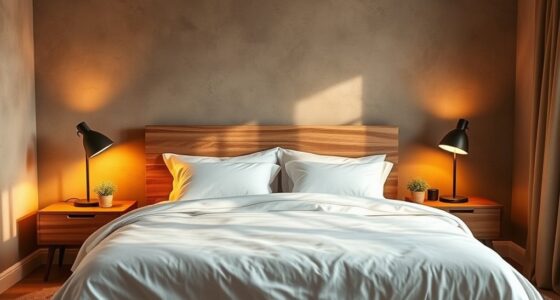
To combat seasonal affective blues and improve sleep, use a bright light therapy box for 20-30 minutes each morning, ideally emitting at least 10,000 lux. Position it at eye level but avoid direct glare. Regular exposure helps regulate your circadian rhythm, boosting mood and promoting better sleep. Consistency is key, and choosing the right device can enhance results. Keep exploring to discover more effective strategies to brighten your days and nights.
Key Takeaways
- Using bright light therapy in the morning can lift mood and regulate sleep patterns during darker months.
- Consistent daily exposure to at least 10,000 lux light helps improve sleep quality and combat seasonal blues.
- Proper light positioning and routine ensure optimal circadian alignment, enhancing both mood and sleep health.
- Light therapy influences melatonin production, aiding quicker sleep onset and more restorative rest.
- Combining light therapy with sleep hygiene practices maximizes benefits for mood and overall sleep well-being.
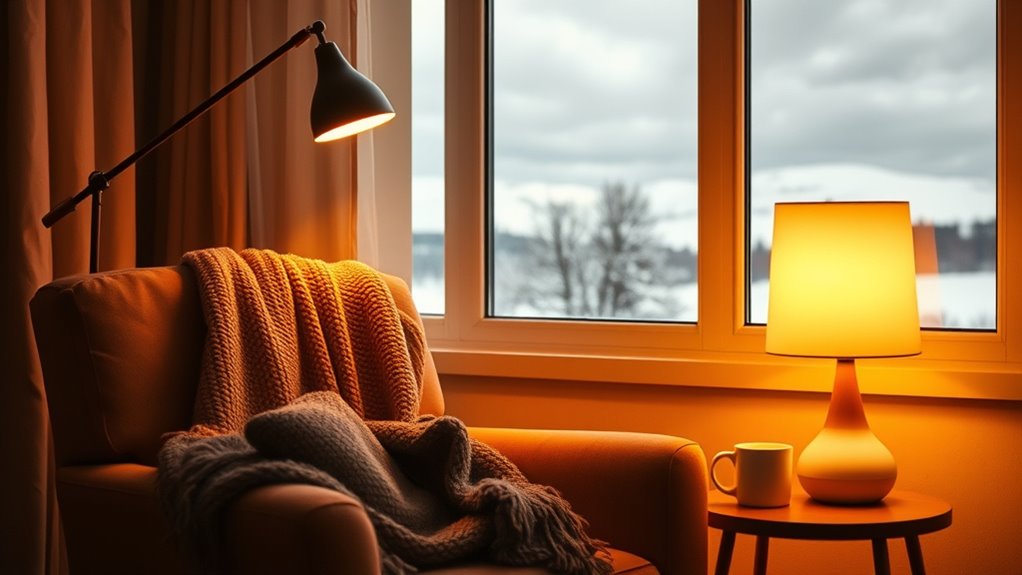
As the days grow shorter and the nights longer, many people start to feel a dip in their mood and energy levels—an experience known as Seasonal Affective Blues. This seasonal slump isn’t just about feeling a little down; it can markedly impact your motivation, productivity, and overall well-being. One effective way to combat these feelings is through light therapy, which has gained recognition for its ability to improve mood regulation during darker months. By exposing yourself to a bright, artificial light source each morning, you can simulate natural sunlight and help reset your internal clock. This not only lifts your spirits but also promotes better sleep patterns, as proper light exposure influences your circadian rhythms. When your internal clock is in sync, you tend to fall asleep more easily and enjoy more restorative sleep, which further enhances your mood and energy during the day.
Using light therapy is straightforward. You simply sit near a specialized lightbox for about 20-30 minutes each morning, ideally within the first hour after waking. The light should emit at least 10,000 lux, mimicking natural sunlight, and be positioned at a comfortable height to avoid eye strain. Consistency is key; sticking to a daily routine helps your body adapt and maximizes the benefits. Over time, many people notice a lift in their mood, greater clarity, and increased vigor, all thanks to better mood regulation achieved through strategic light exposure. This approach is especially beneficial if you find yourself feeling sluggish or irritable during the winter months.
Furthermore, light therapy isn’t just about mood; it also plays an essential role in sleep health. When your exposure to light aligns with your natural circadian rhythm, it signals to your brain when to wake up and wind down. This can lead to falling asleep faster and experiencing deeper, more restful sleep. Improved sleep then feeds back into your overall mental health, making it easier to face daily tasks with a positive outlook. If you’re unsure about starting light therapy, consult a healthcare professional to find the right device and schedule that suits your needs. With regular use, you not only boost your mood but also create a healthier sleep pattern, helping you feel more energized and balanced throughout the year.
In addition, understanding the importance of contrast ratio in light therapy devices can help you choose a product that effectively simulates natural sunlight, maximizing your mood and sleep benefits.

Pulsetto FIT (V2) Wellness Wearable – Relaxation, Sleep & Daily Wellness Support Device
- Short, Easy Relaxation Sessions: 4-10 minute calming routines
- Lightweight, Ergonomic Design: Comfortable wearable for daily use
- Customizable Wellness App: Personalized sessions and tracking
As an affiliate, we earn on qualifying purchases.
Frequently Asked Questions
Can Light Therapy Be Used for Conditions Other Than Seasonal Affective Disorder?
Yes, light therapy benefits extend beyond seasonal affective disorder. You can use phototherapy for conditions like jet lag, circadian rhythm sleep disorders, and even some forms of depression. Light therapy applications include improving mood, regulating sleep-wake cycles, and boosting alertness. By exposing yourself to bright light during specific times, you may experience better sleep quality and overall well-being, making it a versatile treatment option for various health concerns.
How Does Light Exposure Influence Melatonin Production and Sleep Cycles?
Light exposure directly influences your circadian regulation by controlling melatonin suppression. When you get bright light during the day, it signals your brain to reduce melatonin production, helping you stay alert and regulate your sleep cycle. Conversely, low light in the evening allows melatonin levels to rise, promoting sleep. Proper timing of light exposure guarantees your circadian rhythm stays aligned, improving both sleep quality and overall well-being.
Are There Natural Ways to Increase Daytime Light Exposure During Winter?
Brighten your days with simple solutions like morning walks and indoor plants. Taking brisk walks during daylight hours exposes you to natural light, boosting your mood and melatonin regulation. Meanwhile, adding lush indoor plants to your space creates a calming environment that mimics natural light. These natural, nurturing methods increase your daytime light exposure, helping you feel more energized and sleep better during winter’s darker days.
What Are the Risks of Using Bright Light Therapy Improperly?
Using bright light therapy improperly can pose risks, especially if you don’t pay attention to light intensity and timing considerations. Too much light or exposure at the wrong time can cause eye strain, headaches, or disrupt your sleep cycle. To stay safe, follow recommended guidelines, start with lower light intensity, and use therapy in the morning. Always consult a healthcare professional if you experience adverse effects.
How Quickly Can Light Strategies Improve Sleep Quality During Darker Months?
You can notice sleep improvement within a few days to two weeks of consistent light adjustment. Using bright light therapy in the morning helps regulate your circadian rhythm, making it easier to fall asleep at night. Keep your light exposure regular, and you’ll likely see quicker results. Remember, patience is key—proper light strategies gradually strengthen your sleep habits, especially during darker months when natural light is limited.
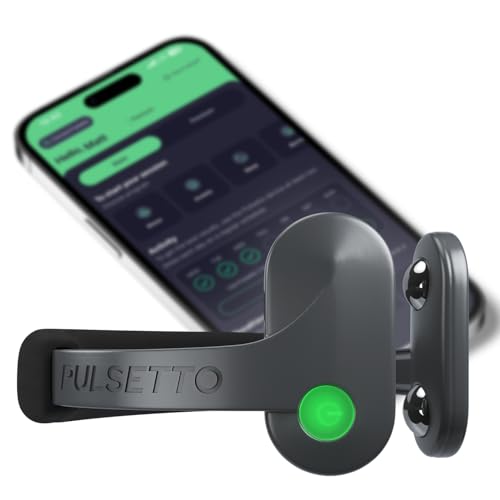
Pulsetto Lite (V1) Wellness Wearable – Relaxation & Daily Wellness Support Device
- Quick Relaxation Sessions: 4-10 minute calming routines
- Portable Wellness Device: Compact for home or on-the-go use
- Customizable with Pulsetto App: Personalize sessions and track progress
As an affiliate, we earn on qualifying purchases.
Conclusion
As winter’s gray shadow lifts, imagine your mood blossoming like a spring garden, illuminated by gentle light. By embracing light therapy and good sleep habits, you hold the keys to banishing the seasonal blues. Let the sun’s warm embrace and restful nights be your guiding stars, guiding you toward brighter days. With these simple strategies, you can turn the grayest season into a vibrant tapestry of hope and renewal.

Entertech Flowtime: Biosensing Meditation Headband - Brain Tracker for Neurofeedback Training at Home - Heart Rate, Breath, HRV, Stress, Flow, Alpha, Theta, Beta, Gamma Wave Breakdowns
- Real-time Meditation Monitoring: Brainwaves, heart rate, and stress levels
- Scientifically Validated Meditation Lessons: Guided techniques for daily progress
- Detailed Performance Reports: Track and compare your meditation data
As an affiliate, we earn on qualifying purchases.

Smedz Neck Massager 2026 New Upgrade 3 in 1 Portable Massager with Heat and Comfortable Stretching - Adjustable Intensity for Neck and Shoulder Relaxation at Home, Office.USB-C Rechargeable
- Customizable Modes: Heat, Vibration, Deep Tissue options
- Auto Shut-Off: 15-minute safe session timer
- Ergonomic Design: Targets neck, shoulders, lower back
As an affiliate, we earn on qualifying purchases.