
If your child spends a lot of time on screens, blue-blocking glasses can help reduce eye strain, dry eyes, and headaches caused by prolonged exposure to blue light. They may also improve sleep habits by lowering blue light interference with sleep patterns. While not a necessity, these glasses can be a helpful addition to other good habits like taking breaks. To learn more about protecting your child’s eye health, keep exploring these options.
Key Takeaways
- Excessive screen time can cause eye strain, dry eyes, and disrupted sleep in children, highlighting the need for protective measures.
- Blue-blocking glasses filter blue light, potentially reducing eye strain and improving sleep quality for children who spend long hours on screens.
- They are a helpful supplement to good screen habits like regular breaks and proper ergonomics, not a standalone solution.
- Consult an eye care professional if children experience persistent eye discomfort, as glasses are part of a comprehensive eye health strategy.
- Combining blue-blocking glasses with other protective habits supports long-term eye health and development in children.

Have you ever wondered how screen time affects your child’s eye health? As screens become an unavoidable part of daily life—whether for school, entertainment, or socializing—it’s natural to worry about how this constant exposure might impact their eyes. Excessive screen time can lead to eye strain, dryness, and even interfere with proper development, especially in growing children. That’s why many parents are considering solutions like blue-blocking glasses to help protect their kids’ eye health. But do kids really need them? The answer isn’t straightforward, but understanding how screen time influences eye health can help you make an informed decision.
Blue light, which is emitted by digital screens, is a concern because it can contribute to digital eye strain. When your child spends hours glued to a tablet or computer, they may experience symptoms like headaches, blurred vision, and dry eyes. These issues are often temporary, but frequent strain could have longer-term effects on their developing eyes. Some research suggests that prolonged exposure to blue light might also interfere with sleep patterns, which are essential for healthy growth and cognitive development. So, reducing blue light exposure could be beneficial, especially for children who spend significant time on screens daily.
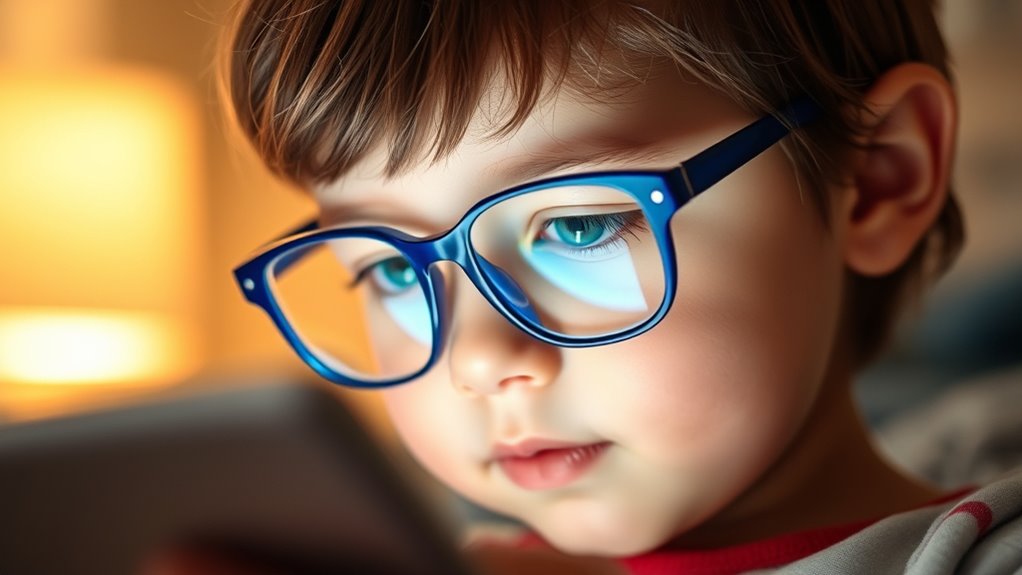
Blue-blocking glasses are designed to filter out a portion of blue light, reducing glare and eye strain. They are typically lightweight, comfortable, and easy to wear, making them a convenient option for children. If your child’s schoolwork involves long hours on computers or tablets, investing in blue-blocking glasses might help lessen discomfort and protect their eye health. However, it’s important to remember that these glasses are just one part of a broader approach. Encouraging regular breaks—like following the 20-20-20 rule, where your child looks at something 20 feet away for 20 seconds every 20 minutes—can be just as effective in reducing eye strain.
While blue-blocking glasses can be helpful, they shouldn’t replace good screen habits or routine eye checkups. Ensuring your child maintains proper distance from screens, uses appropriate lighting, and takes frequent breaks is essential. If your child complains of persistent eye discomfort, consult an eye care professional for a detailed eye exam. They can determine if there are underlying issues and advise whether blue-blocking glasses or other interventions are necessary. In the end, protecting your child’s eye health involves a combination of smart habits, proper technology use, and, when appropriate, supplementary tools like blue-blocking glasses. Being proactive now can help preserve their vision as they grow. Additionally, proper screen ergonomics can significantly reduce strain and support healthy eye development.
Frequently Asked Questions
Are Blue-Blocking Glasses Safe for All Children?
Blue-blocking glasses are generally safe for children, but you should consider their eye health and overall development. These glasses can help reduce eye strain from screens, but they shouldn’t substitute proper eye care or be used as a fashion accessory without guidance. Always consult an eye care professional to ensure they’re suitable for your child’s needs, and remember that protecting their eyes is more important than just following trends.
Can Blue-Blocking Glasses Improve Kids’ Sleep Quality?
Blue-blocking glasses can improve your kid’s sleep quality by reducing blue light exposure from screen time, which helps maintain healthy melatonin levels. When children wear these glasses in the evening, they’re less likely to experience disrupted sleep patterns. This simple step supports better rest, especially if your child spends a lot of time on screens before bed. Just make certain they wear them consistently for the best results.
Do Blue-Blocking Glasses Prevent Digital Eye Strain?
Blue light exposure from digital devices is like a spotlight on your eyes, and blue-blocking glasses act as a filter. They can help reduce digital eye strain by blocking some of the blue light emitted during device use. While they won’t eliminate all discomfort, wearing these glasses may ease symptoms like eye fatigue, dryness, and headaches, making your digital experience more comfortable during long screen sessions.
How Do Blue-Blocking Glasses Affect Children’s Vision Development?
Blue-blocking glasses can positively influence your child’s vision development and eye health by reducing exposure to blue light, which may cause eye strain and disrupt sleep. Wearing these glasses helps protect their developing eyes from potential damage and minimizes digital eye strain, supporting long-term visual health. While they shouldn’t replace regular eye check-ups, blue-blocking glasses are a helpful tool in maintaining your child’s eye well-being.
When Should Parents Consider Getting Blue-Blocking Glasses for Their Kids?
You should consider getting blue-blocking glasses for your kids if they spend long hours on screens or have limited outdoor play. When their screen time exceeds recommended limits, these glasses can help reduce eye strain and protect their developing vision. If outdoor activities are minimal, blue-blocking glasses can serve as a helpful barrier. Always consult an eye care professional to determine the best options for your child’s specific needs.
Conclusion
So, do your kids need blue-blocking glasses? While studies show that screen time increases children’s exposure to blue light, only about 10% of kids experience significant sleep disruptions from it. If your child spends hours on screens, these glasses might help protect their eyes and improve sleep quality. However, it’s best to balance screen time with outdoor activities. Ultimately, understanding your child’s habits can help you decide if blue-blocking glasses are a worthwhile investment.