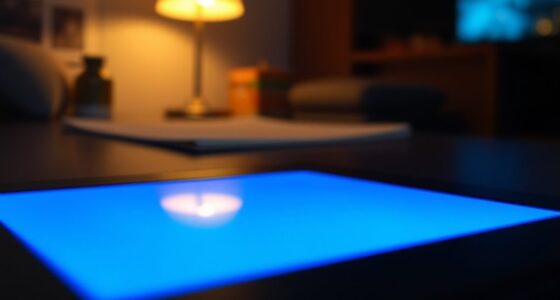
Sunrise alarms don’t replace blackout curtains because each plays a unique role in your sleep environment. Sunrise alarms gently wake you with light, aligning with your natural sleep cycle, while blackout curtains block external light to help you sleep more deeply. Using both together provides the ideal setup for quality rest and a refreshed morning. To discover how combining these tools can improve your sleep, keep exploring the benefits they offer.
Key Takeaways
- Sunrise alarms provide gentle wake-up cues but do not block external light, unlike blackout curtains.
- Blackout curtains create a dark environment for quality sleep, not for waking purposes.
- Both tools serve different functions and are complementary rather than interchangeable.
- Using blackout curtains enhances sleep quality, while sunrise alarms improve morning alertness.
- They work best together to optimize overall sleep hygiene and circadian rhythm regulation.

Waking up feeling refreshed can be easier when you harness natural light instead of relying solely on traditional alarms. Sunrise alarms mimic the gradual increase of daylight, helping you wake up more naturally and align better with your sleep cycle. When your internal clock receives gentle light cues, it signals your body that it’s time to wake, reducing the grogginess often associated with abrupt alarms. This process taps into the principles of light therapy, which is used to regulate circadian rhythms and improve sleep quality. Unlike harsh buzzers, sunrise alarms gradually brighten over a set period, nudging your body awake at the ideal moment in your sleep cycle, so you feel more alert and energized.
Wake up naturally with sunrise alarms that mimic daylight and align with your sleep cycle.
While blackout curtains are designed to block out external light, creating a dark environment that can promote deeper sleep, they don’t necessarily replace the benefits of a sunrise alarm. Instead, they work together. Blackout curtains ensure that external disturbances don’t interrupt your rest, especially if you sleep during daylight hours or live in areas with streetlights or other intrusive sources. When you combine blackout curtains with a sunrise alarm, you create an ideal sleep environment: darkness for restful sleep and gentle light cues for waking up naturally. This synergy helps reinforce your circadian rhythm, making sleep more restorative and waking more pleasant.
Sunrise alarms serve as a gentle wake-up call that respects your sleep cycle by waking you during lighter sleep stages, rather than forcing you out of deep sleep abruptly. They help you wake up feeling more refreshed because they align with your body’s natural rhythms, unlike traditional alarms that can jolt you awake at any point in your sleep cycle. Light therapy features in some sunrise alarms can also be used in the evening to help reset your internal clock if your sleep schedule is off or if you suffer from seasonal affective disorder. This use of light therapy enhances your overall sleep quality by reinforcing healthy circadian habits. Additionally, incorporating light-based interventions can help optimize your sleep-wake cycle and overall well-being.
In essence, sunrise alarms don’t necessarily replace blackout curtains but complement them. Blackout curtains set the stage for quality sleep by blocking out disruptive external light, while sunrise alarms gently wake you by mimicking natural sunlight, helping you wake up at the best moment in your sleep cycle. Together, they support a healthier, more natural sleep pattern, making mornings less stressful and more aligned with your body’s needs. Properly combining these tools empowers you to achieve better rest and wakefulness, harnessing the power of natural light to improve your overall well-being.

Philips SmartSleep Wake-up Light, Colored Sunrise and Sunset Simulation, 5 Natural Sounds, FM Radio & Reading Lamp, Tap Snooze, HF3520/60
- Clinically Recommended: Supports healthy sleep and wake routines
- Personalized Settings: Custom sunrise, sunset, and sounds
- Smart Features: FM radio, tap snooze, auto dimming
As an affiliate, we earn on qualifying purchases.
As an affiliate, we earn on qualifying purchases.
Frequently Asked Questions
Can Sunrise Alarms Improve Sleep Quality Better Than Blackout Curtains?
Sunrise alarms can improve your sleep quality better than blackout curtains by using light therapy to gently wake you, aligning with your circadian rhythm. They simulate natural sunrise, helping your body produce melatonin at the right times and enhancing overall sleep. While blackout curtains block light, sunrise alarms actively support your sleep cycle, making them a more effective option for improving sleep quality, especially if your environment is too bright in the morning.
Are Sunrise Alarms Suitable for Heavy Sleepers or Shift Workers?
Sunrise alarms can be suitable for heavy sleepers and shift workers if they improve your sleep consistency and alarm reliability. Heavy sleepers might need a more intense or customizable light, while shift workers benefit from alarms that simulate natural dawn regardless of the time. Make certain your sunrise alarm has adjustable brightness and sound options, so it effectively wakes you up without disturbing your sleep cycle, helping you stay consistent.
Do Blackout Curtains Block Out All Noise as Well?
Blackout curtains act like soundproof barriers, muffling noise and creating a cocoon of silence. While they absorb some sound, they don’t completely block out all noise like dedicated soundproofing. Think of them as gentle waves that calm the surface, but don’t stop the tide. For total silence, you’d need more advanced noise absorption solutions, but curtains do a good job of reducing disruptions for peaceful sleep.
Are There Health Risks Associated With Wake-Up Light Alarms?
Wake-up light alarms are generally safe, but they can cause eye strain if the light is too bright or harsh. Some people worry about circadian disruption if used improperly, especially if you wake up before dawn or stay exposed to the light for too long. To minimize risks, start with dim settings, avoid staring directly at the light, and use the alarm as intended.
How Do Blackout Curtains Affect Room Temperature and Energy Use?
Blackout curtains improve your room’s thermal insulation, helping keep it warmer in winter and cooler in summer. This boosts energy efficiency by reducing the need for extra heating or cooling. When you close them, you limit heat transfer through windows, saving you money on energy bills. So, blackout curtains not only block light but also enhance your room’s temperature regulation and overall energy efficiency.
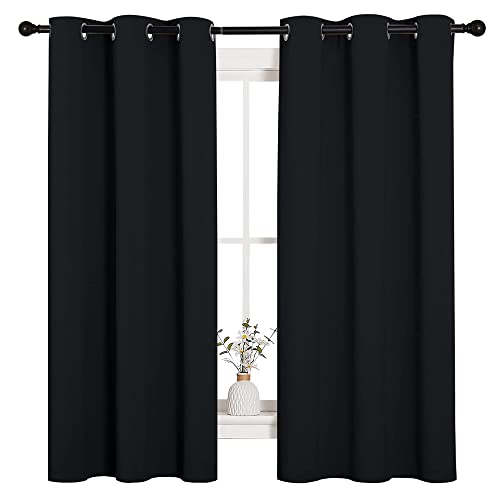
NICETOWN Halloween Pitch Black Solid Thermal Insulated Grommet Blackout Curtains/Drapes for Bedroom Window (2 Panels, 42 inches Wide by 63 inches Long, Black)
- Set Includes: 2 blackout curtain panels, 42×63 inches
- Light Blocking: Impede 85%-99% of light and UV rays
- Noise Reduction: Reduces noise for better TV viewing
As an affiliate, we earn on qualifying purchases.
As an affiliate, we earn on qualifying purchases.
Conclusion
So, do sunrise alarms replace blackout curtains? Not entirely. While sunrise alarms can gently wake you with natural light, they often work best alongside blackout curtains that block out disruptive external light and noise. Together, they create a perfect sleep environment, ensuring you wake refreshed and on time. Don’t rely solely on one; combining both might just be the secret to your best sleep yet. Give it a try—you might be surprised by the results.
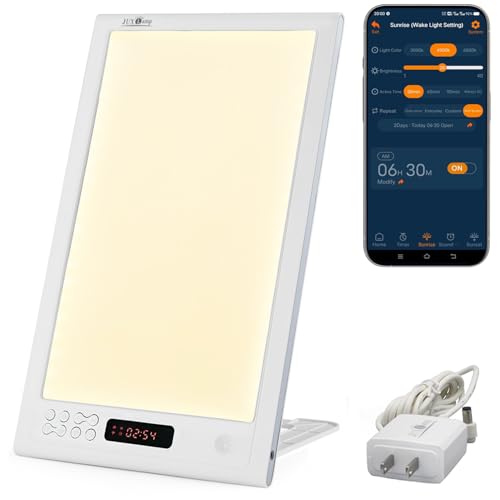
JUXLamp Light Therapy Sunrise Wake-up Lamp with APP Control
- Smart App Control: Full-function programming via app
- Sunrise Simulation: Gradual sunrise with adjustable brightness
- High-Intensity Light Therapy: 12000Lux bright light for mood boost
As an affiliate, we earn on qualifying purchases.
As an affiliate, we earn on qualifying purchases.

AOSKY Cordless Blackout Roller Shades, 34" W x 72" H, Black
- Innovative Free-Stop System: Precise height adjustment without cords
- Safe and Silent Operation: Cordless, quiet, child and pet safe
- Multi-Functional Design: Light blocking, UV protection, insulation
As an affiliate, we earn on qualifying purchases.
As an affiliate, we earn on qualifying purchases.