
TL;DR
Get ready for Prime Big Deal Days — try Prime free
Exclusive member deals on October 6–7, plus fast free delivery. Cancel anytime.
Start your free trialAs an affiliate, we earn on qualifying purchases.
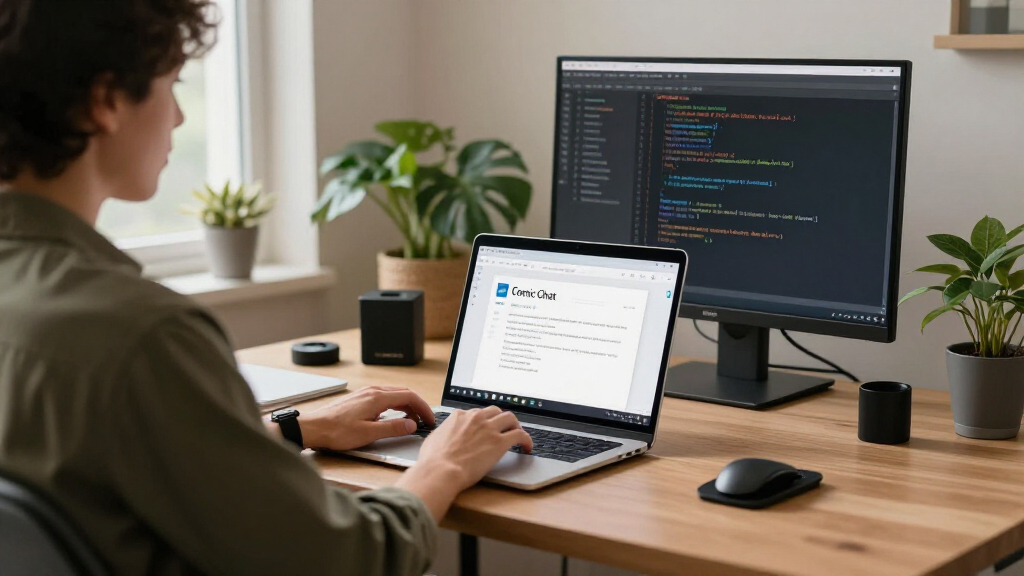
Microsoft has announced that Comic Chat, a discontinued chat client from the early 2000s, is now open source. This allows developers and enthusiasts to access, modify, and preserve the software. The move highlights Microsoft’s support for legacy technology preservation and community engagement.
Microsoft has released Comic Chat’s source code as open source, making the classic chat client available for public access and modification. This development is significant for software preservation and community-driven projects, especially for those interested in early internet communication tools.
Microsoft announced in March 2024 that it has open sourced Comic Chat, a chat client originally released in the late 1990s and discontinued in the early 2000s. The source code is now hosted on a public repository, allowing developers, hobbyists, and historians to access and modify the software. Microsoft confirmed that the release aims to preserve the legacy of the application and foster community engagement.
The company stated that the source code release includes the original program files, documentation, and development tools used during its initial release. Microsoft emphasized that Comic Chat was an influential early internet communication tool, known for its use of comic strip-style avatars and chat rooms. The move aligns with broader industry trends toward open source software and legacy preservation.
Microsoft did not specify whether they plan to actively maintain or update Comic Chat but indicated that the open source release is intended to support educational and historical projects. The source code is now available on GitHub under an open license, which allows modification, distribution, and community contributions.
Why Open Sourcing Comic Chat Matters for Digital Heritage
This move by Microsoft underscores a growing recognition of the importance of preserving early internet communication technologies. By releasing Comic Chat as open source, Microsoft enables a new generation of developers and historians to study, modify, and potentially revive a piece of internet history. It also encourages community-driven projects that can keep legacy software alive in modern contexts, fostering a deeper understanding of early online socialization and communication tools.
Furthermore, this release may inspire other tech companies to open source their legacy products, contributing to a richer, more accessible digital heritage. It highlights Microsoft’s evolving stance on open source initiatives and its role in supporting technological preservation.
Windows legacy chat client software
As an affiliate, we earn on qualifying purchases.
As an affiliate, we earn on qualifying purchases.
Historical Background of Microsoft Comic Chat and Its Legacy
Microsoft Comic Chat was first released in 1996 as a Windows-based chat client featuring cartoon avatars and chat rooms, designed to enhance online communication with a visual twist. It gained popularity among early internet users but was eventually phased out in the early 2000s as newer messaging platforms emerged. Despite its discontinuation, Comic Chat remains a nostalgic symbol of early online social interaction.
Over the years, enthusiasts and digital preservationists have expressed interest in maintaining access to the software, but it was not officially supported or maintained by Microsoft. The recent open source release marks a significant shift, making the software’s source code accessible for the first time to the public.
Microsoft has historically been cautious about open sourcing legacy products, but recent industry trends and a focus on digital heritage have prompted the company to share Comic Chat’s code, aligning with broader efforts to preserve early internet history.
“Releasing Comic Chat as open source aligns with our commitment to digital preservation and community engagement. We look forward to seeing how the community will build upon this legacy.”
— Microsoft spokesperson
As an affiliate, we earn on qualifying purchases.
Unclear Plans for Ongoing Maintenance or Revival
Microsoft has not announced whether it will actively maintain or develop new versions of Comic Chat. It remains uncertain if community contributions will lead to updates or adaptations for modern systems, or if the project will remain primarily archival.
Additionally, the extent of community interest and participation is still developing, and the impact on legacy software preservation is yet to be seen.
As an affiliate, we earn on qualifying purchases.
Next Steps for Developers and Digital Historians
Developers and interested parties can now access the source code on GitHub and contribute to the project. Future efforts may include creating modernized versions, integrating Comic Chat features into new platforms, or using the code for educational purposes. Microsoft may also release additional legacy software in the future based on community interest.
Observers will monitor community engagement and potential updates, as well as any scholarly or preservation projects emerging from this release.
early internet communication software
As an affiliate, we earn on qualifying purchases.
As an affiliate, we earn on qualifying purchases.
Key Questions
Why did Microsoft open source Comic Chat?
Microsoft aimed to preserve the legacy of Comic Chat and foster community-driven projects by making its source code accessible for educational, historical, and development purposes.
Can I modify and distribute Comic Chat now?
Yes, the source code is available under an open license on GitHub, allowing modification and distribution according to the license terms.
Will Microsoft continue to develop Comic Chat?
Microsoft has not announced ongoing development plans; the release primarily aims to support preservation and community engagement.
Is Comic Chat compatible with modern operating systems?
Original versions were designed for Windows 95/98; compatibility with modern systems may require modifications, which can be undertaken by the community using the open source code.
How does this release impact digital history?
It provides an accessible resource for researchers and enthusiasts to study early internet communication tools, contributing to the preservation of digital culture.
Source: hn
Fall Picks
fall essentials
As an affiliate, we earn on qualifying purchases.