TL;DR

Get wellness gear delivered free with Prime
- Fast, free delivery on millions of items
- Prime Video, Amazon Music and more included
- Member-only deals all year
In a 16-week study of prefrail and frail adults, 69.6% of those assigned to supervised high-intensity walking improved by one category on a frailty measure, compared with 46.4% in the casual-speed group. Both groups showed improvement, but the findings do not establish that this level of walking is suitable for everyone or that it prevents frailty over the long term.
A 16-week study of prefrail and frail adults found that a supervised walking program targeting 70% of maximum heart rate was associated with more improvement on a frailty measure than walking at a self-selected, easier pace. In the high-intensity group, 69.6% of participants improved by one category, compared with 46.4% in the casual-speed group, according to a Fit&Well report on the study.
Participants completed three supervised walking sessions a week for 16 weeks. Those in the high-intensity group aimed to raise their pulse to 70% of their maximum heart rate, while the casual-speed group walked at a self-selected pace below 60% of maximum heart rate. The report does not give the total number of participants or further details about how the study groups were assigned.
Researchers assessed frailty using the Survey of Health Among Retired Europeans Frailty Index, known as SHARE-FI. The measure includes self-reported fatigue and appetite loss, grip strength as an indicator of weakness, ability to walk 100 metres or climb stairs without resting, and how often a person completes low- or moderate-energy tasks such as gardening.
The reported outcome was improvement by one SHARE-FI category. The casual-speed group also saw gains: 46.4% of its participants improved by one category. The figures do not show how many people moved out of the frail or prefrail classifications altogether, and the supplied report does not provide results for other health outcomes.
Walking Pace and Frailty Measures
The results suggest that walking intensity may affect measured frailty improvement among adults already classed as prefrail or frail. The difference between the two groups is relevant to clinicians and researchers considering how structured activity programs might be designed for older adults, especially because the comparison included both a higher-effort and a self-paced approach.
However, the findings are not proof that brisk walking will prevent frailty, improve every aspect of health, or produce the same result for people outside the study. The measure combines several indicators, and the reported figures capture a change of one category rather than a guaranteed change in overall health. The supervised setting also matters: participants were monitored, so the results do not automatically show what would happen with an unsupervised routine.
For readers, the practical takeaway is limited but useful: both walking groups had participants who improved, while the higher-intensity group had a larger share. The report does not establish that everyone should aim for 70% of maximum heart rate. People who are frail, have existing medical conditions, or are unsure what level of exertion is appropriate should seek guidance from a health professional before increasing exercise intensity.
Products Worth Considering

Fitbit Sense Health & Fitness Smartwatch (White/Gold, International Version)

Withings BPM Connect Wi-Fi and Bluetooth Blood Pressure Monitor
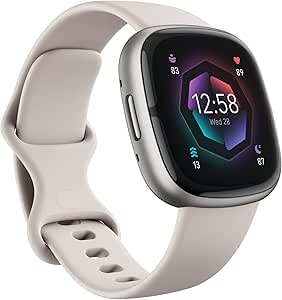
Fitbit Sense 2 Health and Fitness Smartwatch (Lunar White/Platinum)
As an affiliate, we earn on qualifying purchases.
How the Study Compared Walking
The study was designed to investigate whether there is an optimal walking intensity for prefrail and frail adults, according to the Fit&Well account. Its two programs differed by target effort: approximately 70% of maximum heart rate for the high-intensity group and below 60% for the self-paced group. These were supervised workouts, not simply observations of participants’ everyday walking habits.
The report describes high-intensity walking as a stronger stimulus and quotes the authors’ explanation that more intensive activity could help account for the difference. It does not supply the paper’s title, journal, publication date, sample size, participant ages, or detailed statistical analysis. Those omissions make it difficult to judge the size and reliability of the reported effect from this account alone.
The report also mentions interval walking as a possible gradual way to build effort, alternating brisk and easier periods. That suggestion is not itself a tested finding from the study described here. The study’s reported sessions were supervised and lasted 16 weeks, so readers should not treat a separate beginner workout or interval routine as an identical intervention.
“High-intensity walking can reverse frailty more effectively than casual-speed walking due to increased physiologic stimuli during more intensive activity.”
— Study authors, as quoted in the Fit&Well report
Study Details Still Missing
The supplied report does not identify the study’s sample size, publication date, journal, or full methods. It also does not explain whether participants were randomly assigned, how adherence was measured, or whether the results were statistically significant. These details are needed to assess how confidently the difference can be attributed to walking intensity.
It is also unclear whether the improvement lasted after the 16-week program ended, whether participants experienced adverse events, or how many moved from a frail or prefrail category to a healthier classification. The reported percentages concern improvement by one SHARE-FI category, not a direct measure of long-term independence, illness, or survival.
The findings are specific to the adults studied and the supervised program reported. They do not establish a single appropriate heart-rate target for all older adults. Individual fitness, medications, balance, and health conditions can affect what level of exertion is safe and practical.
Full Study Evidence Needed
The next step for readers assessing the finding is to consult the full study and its methods, including the participant count, group assignment, statistical analysis, and any follow-up after the 16-week intervention. Those details would clarify how robust the difference was and whether the reported gains persisted.
Until that information is available in the source material, the result should be treated as a reported comparison rather than a universal exercise prescription. Anyone considering a move to faster or more demanding walking can discuss an appropriate starting level with a health professional, particularly if they are frail or have a pre-existing condition. The report provides no timeline for further research or follow-up results.
Key Questions
What did the study find?
The Fit&Well report says 69.6% of the high-intensity group improved by one SHARE-FI category over the 16-week program, compared with 46.4% of the casual-speed group. Both groups included participants who improved.
What did high-intensity walking mean in this study?
Participants aimed to walk at an effort that raised their pulse to 70% of maximum heart rate. The comparison group walked at a self-selected pace below 60% of maximum heart rate. Both programs were supervised.
Does the study prove brisk walking prevents frailty?
No. The report describes a difference in the share of participants who improved by one category on a frailty measure. It does not establish long-term prevention or show that the same outcome will apply to everyone.
Should older adults aim for 70% of maximum heart rate?
The report does not support that target as a prescription for everyone. People who are frail, have a pre-existing condition, or are uncertain about exercise intensity should consult a health professional before increasing their effort.
Source: fitandwell.com