
TL;DR
At-home wellness tech devices include sleep trackers, fitness systems, and mental health tools that offer real-time insights. They’re growing fast thanks to AI and smart integration, empowering you to monitor and improve your health conveniently. But remember, they’re tools, not replacements for professional care.
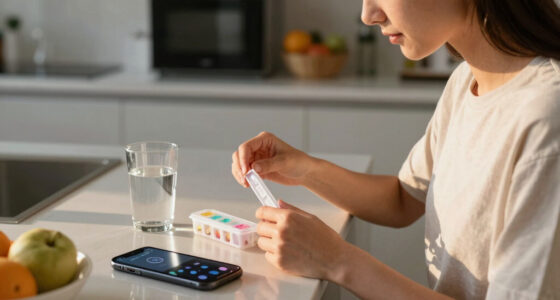
Imagine having a personal health coach right in your living room. The latest at-home wellness tech devices do just that—tracking your sleep, guiding your stress management, and even monitoring your hydration—all without leaving your house. These gadgets are transforming how you understand and care for your body.
If you’re curious about which devices can make a real difference in your daily routine—and how to pick the right ones—you’re in the right place. We’ll explore the most popular types, recent innovations, and practical tips to incorporate these tools safely and effectively into your life.
Choose devices that align with your specific health goals to get the most benefit.
Prioritize user-friendly features and seamless device integration for better consistency.
Stay aware of data privacy policies and remember these tools supplement, not replace, medical advice.
Recent tech advances like AI and telehealth integration greatly enhance device usefulness.
Start small—introduce one device at a time and build sustainable wellness habits.
What Types of At-Home Wellness Devices Are Actually Worth Your Money?
At-home wellness tech isn’t just a fad. It’s a growing field with diverse gadgets designed to fit different needs. Sleep trackers like the Oura Ring or SleepScore monitor your nightly rest with vivid accuracy, capturing details like heart rate, breathing, and movements. Fitness systems—think Peloton or Mirror—bring studio-quality workouts into your living room, making exercise engaging and flexible. Mental health devices, such as Muse headbands, offer guided meditation sessions that help manage stress and boost mental clarity.
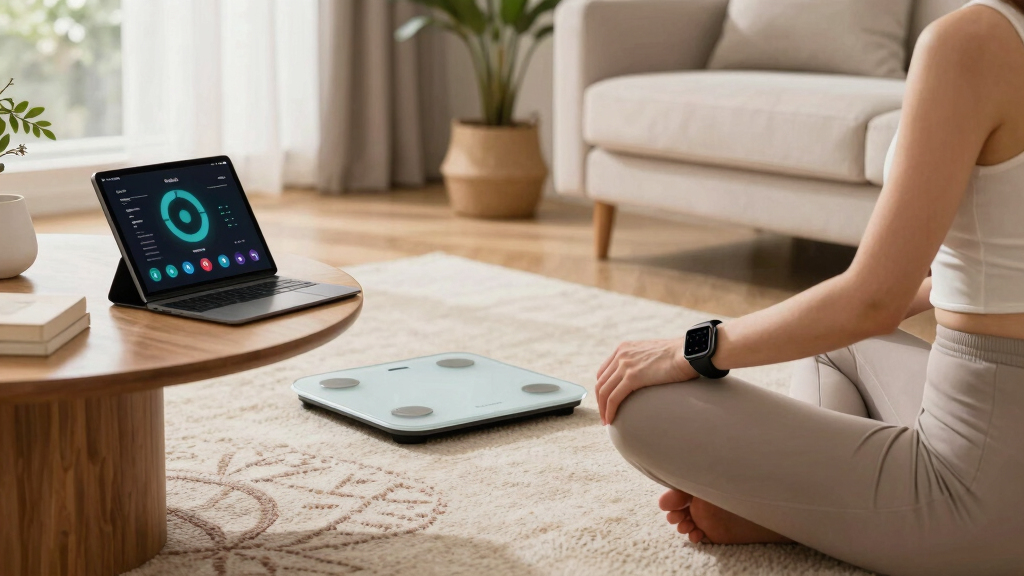
Other popular options include smart water bottles that remind you to hydrate, connected scales that track your weight and body composition, and medical-grade monitors like blood pressure cuffs that sync with your smartphone. The key is choosing what aligns with your health goals and daily routine, not just buying the latest shiny gadget.
best sleep tracker wearable
As an affiliate, we earn on qualifying purchases.
As an affiliate, we earn on qualifying purchases.
How Do These Devices Actually Work and What Features Matter Most?
Most at-home wellness devices gather data through sensors that detect things like heart rate, movement, or skin temperature. These sensors are critical because they convert physical signals into digital data that can be analyzed for insights. The best devices utilize smart algorithms—complex mathematical models—that interpret this data, revealing patterns or anomalies. For instance, a sleep tracker may analyze your sleep stages, detecting disruptions that could indicate underlying health issues or lifestyle factors. Fitness gadgets often adjust workout recommendations based on your activity history, making your exercise routine more effective over time.
Understanding these features helps you evaluate a device’s true value. For example, a device that only records data without analysis offers limited benefits. In contrast, one that provides personalized insights, suggests actionable steps, and integrates with other health tools can significantly enhance your wellness journey. The tradeoff often lies in complexity and cost—more advanced features tend to come at a higher price, but they can offer deeper, more nuanced feedback that influences long-term health behaviors.
Choosing devices with robust data analysis and personalization capabilities means you can make more informed decisions about your health, turning raw data into meaningful, actionable knowledge rather than just numbers.
home fitness mirror with classes
As an affiliate, we earn on qualifying purchases.
As an affiliate, we earn on qualifying purchases.
What Are the Latest Innovations Making These Devices Smarter and More Useful?
Recent advances in AI and sensor tech have made wellness devices more accurate and personalized. Some now predict potential health issues before symptoms appear, based on subtle patterns in your data—this proactive approach can lead to earlier interventions and better outcomes. For example, AI-powered sleep trackers analyze minute disruptions to identify potential sleep disorders or stress-related disturbances, providing tailored recommendations to improve sleep quality.
Integration with telehealth platforms allows you to share real-time data directly with your healthcare provider, enabling more informed virtual consultations. This reduces the need for frequent in-person visits and supports a more continuous, data-driven approach to health management. Wearable tech has also expanded into smart clothing and patches that blend into your daily wardrobe, offering continuous health monitoring without discomfort or disruption.
Regulatory approvals, like FDA clearance for certain medical-grade devices, add a layer of trust and reliability, ensuring that these devices meet rigorous standards for accuracy and safety. These innovations collectively mean your wellness devices are becoming more intelligent, predictive, and seamlessly integrated into your overall healthcare ecosystem, empowering you with more precise and actionable information.
mental health meditation headband
As an affiliate, we earn on qualifying purchases.
As an affiliate, we earn on qualifying purchases.
How Can You Pick the Perfect Wellness Device for Your Life?
Choosing the right device depends on your goals and lifestyle. Do you want better sleep? A sleep tracker like Oura Ring could be your best bet. If staying active motivates you, a smart fitness system like Peloton offers structured workouts and community support. For mental wellness, meditation headbands or apps like Calm paired with a biofeedback device can help manage stress.
Here’s a simple step-by-step approach:
- Identify your top health goal: Sleep, fitness, stress, hydration, or medical monitoring.
- Set your budget: From affordable fitness bands (~$50) to high-end medical devices (~$300+).
- Check compatibility: Make sure it syncs with your phone or existing devices.
- Read reviews and compare features: Focus on accuracy, ease of use, and support.
- Start small: Introduce one device, track results, then expand as needed.
smart water bottle with hydration reminders
As an affiliate, we earn on qualifying purchases.
As an affiliate, we earn on qualifying purchases.
What Should You Watch Out for When Using Wellness Tech?
While these devices can be game-changers, they aren’t perfect. Data privacy is a big concern. Reputable brands comply with strict standards, but always review privacy policies before sharing sensitive health info. Accuracy varies—consumer-grade devices are great for tracking trends but shouldn’t replace medical advice.
Cost is another factor. High-end devices can run over $300, and subscription fees for advanced analytics add up. Be wary of over-reliance. Technology can motivate, but it’s no substitute for professional health guidance.
Lastly, keep a critical eye on your data. Use it as a helpful guide, not a definitive diagnosis. Regular check-ins with healthcare providers remain essential, especially if you notice concerning trends.
Understanding these limitations is crucial because relying solely on technology without context can lead to misinterpretations or unnecessary anxiety. Recognizing when to seek professional advice ensures your health decisions remain safe and effective, making these tools supportive rather than misleading.
Frequently Asked Questions
Are at-home wellness devices accurate enough for serious health tracking?
Many consumer devices provide useful trend data, but their accuracy varies. They are best suited for monitoring general patterns rather than definitive medical diagnosis. For serious health concerns, always consult a healthcare professional.
How do I know if a device is compatible with my existing health apps?
Check the device’s specifications for compatibility with popular platforms like Apple Health, Google Fit, or specific telehealth services. Most reputable brands list supported apps on their websites.
Can these devices replace regular doctor visits?
No, they are tools to support your health management. They can help you notice trends or alert you to possible issues, but they do not replace professional medical advice or routine checkups.
Are these devices safe for everyone, including those with pre-existing conditions?
Most consumer-grade devices are safe for general use. However, if you have pre-existing health issues, consult your healthcare provider before starting new monitoring routines, especially with medical-grade devices.
What’s the best way to integrate these devices into my daily routine?
Start by choosing one device aligned with your main goal. Use it consistently, review your data weekly, and adjust your habits accordingly. Over time, add more tools as you see fit, creating a personalized wellness system.
Conclusion
At-home wellness tech devices are here to stay—and for good reason. They turn your living space into a personal health hub, making wellness easier, more engaging, and more personalized than ever before. But the key is to use these tools wisely, with an eye on privacy and professional guidance.
Imagine a future where your morning routine includes a quick glance at your sleep quality, a hydration reminder, and a meditation session—without leaving your couch. That’s the promise of at-home wellness tech: empowering you to live smarter, healthier, and more connected every day.