
During high-stress weeks, prioritize your sleep by sticking to a consistent routine and creating a calming environment. Avoid screens before bed, limit caffeine, and practice relaxation techniques like deep breathing or meditation. Make your sleep space cool, dark, and quiet, and set boundaries to manage stress. Small adjustments can make a big difference. Keep going, and you’ll discover more effective ways to protect your sleep and well-being during these demanding times.
Key Takeaways
- Establish a consistent sleep routine and wind down with calming activities to signal your body for rest.
- Practice stress-reduction techniques like deep breathing or meditation before bed to lower cortisol levels.
- Optimize your sleep environment with a cool, dark, and quiet setting, using tools like blackout curtains and white noise.
- Limit caffeine, heavy meals, and screen time in the hours before sleep to prevent disruptions.
- Incorporate regular moderate exercise and self-care routines to manage stress and improve sleep quality during busy weeks.

Ever wonder how much your sleep quality affects your ability to care for others? As a caregiver, your well-being directly influences how effectively you can support those depending on you. During high-stress weeks, it’s easy to neglect your own needs, but prioritizing your sleep is essential. One way to do this is by establishing consistent self care routines. Simple practices like setting a regular bedtime, dimming the lights an hour before sleep, and avoiding screens can signal your body that it’s time to unwind. Incorporating calming activities such as reading, gentle stretching, or listening to soothing music helps ease your mind and prepare you for restful sleep. These routines create a predictable wind-down that your body begins to associate with sleep, making it easier to fall asleep even during hectic times.
Stress management techniques are equally important. When stress levels spike, your body releases cortisol, which can interfere with your sleep cycle. To counteract this, try deep breathing exercises, meditation, or mindfulness practices. These methods can lower your stress hormones, calm your racing thoughts, and promote relaxation. Even a few minutes of focused breathing or guided meditation before bed can make a significant difference. Physical activity during the day also plays a key role—regular, moderate exercise reduces stress and improves sleep quality, but avoid vigorous workouts close to bedtime, as they can have the opposite effect. Additionally, managing your workload and setting realistic boundaries help prevent stress from accumulating to unmanageable levels, ensuring you’re not sacrificing sleep to keep up. Incorporating home environment adjustments, such as optimizing your bedroom setup, can further enhance your sleep quality.
It’s also essential to recognize the importance of creating a sleep-friendly environment. Make your bedroom a sanctuary by keeping it cool, dark, and quiet. Invest in a comfortable mattress and pillows to support restful sleep. If noise or light disturb you, consider using earplugs, white noise machines, or blackout curtains. Avoid caffeine and heavy meals late in the day, as they can disrupt your sleep cycle. Prioritizing these small but impactful changes reinforces your self care routines and stress management techniques, empowering you to protect your sleep even during demanding weeks.
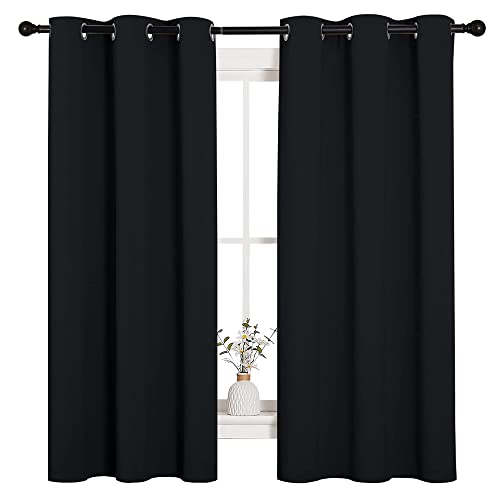
NICETOWN Halloween Pitch Black Solid Thermal Insulated Grommet Blackout Curtains/Drapes for Bedroom Window (2 Panels, 42 inches Wide by 63 inches Long, Black)
- Set Includes: 2 blackout curtain panels, 42×63 inches
- Light Blocking: Impede 85%-99% of light and UV rays
- Noise Reduction: Reduces noise for better TV viewing
As an affiliate, we earn on qualifying purchases.
As an affiliate, we earn on qualifying purchases.
Frequently Asked Questions
How Can Caregivers Manage Their Sleep During Unpredictable Emergencies?
During unpredictable emergencies, you can manage your sleep by optimizing your sleep environment—keep it cool, dark, and quiet to improve rest. Practice effective time management by prioritizing tasks and scheduling short, restorative naps when possible. Staying flexible helps you adapt to sudden changes, ensuring you get essential rest even amid chaos. Remember, maintaining a consistent sleep routine and creating a calm environment supports your resilience during stressful times.
What Are Quick Relaxation Techniques to Improve Sleep Quality?
Imagine your mind as a calm lake. To achieve this, try quick breathing exercises—inhale slowly through your nose, hold, then exhale through your mouth. Pair this with progressive muscle relaxation, tensing and releasing each muscle group. These techniques help quiet your thoughts, ease tension, and improve sleep quality, even during stressful times. Practice them regularly to create a peaceful wave of relaxation that lulls you into restful sleep.
How Does Diet Influence Sleep During Stressful Periods?
Your diet markedly impacts sleep during stressful times through nutritional timing and meal composition. Eating balanced, light meals a few hours before bed helps stabilize blood sugar and reduce sleep disruptions. Avoid heavy or spicy foods close to bedtime, as they can cause discomfort. Incorporate sleep-promoting nutrients like magnesium and tryptophan, and stay hydrated, but not excessively, to support restful sleep amidst stress.
Are There Specific Sleep Aids Suitable for Caregivers?
Think of sleep aids as your trusted lighthouse in a storm. Over-the-counter remedies and natural supplements like melatonin or valerian root can help guide you back to calm nights. Always check with a healthcare professional before trying them, especially during stressful weeks. These aids can support your sleep, giving you the resilience to face each day’s challenges with energy and clarity.
How Can Caregivers Balance Self-Care and Caregiving Responsibilities Efficiently?
You can balance self-care and caregiving responsibilities by practicing effective time management, setting realistic priorities, and scheduling regular breaks. Focus on building emotional resilience through mindfulness or support groups, which helps manage stress. Remember, taking care of yourself isn’t selfish — it enables you to be more present and effective for your loved ones. Prioritize your well-being to sustain your caregiving efforts and maintain your health.

Magicteam Sound White Noise Machine with 20 Non Looping Natural Soothing Sounds and Memory Function 32 Levels of Volume Powered by AC or USB and Sleep Sound Timer Therapy for Baby Kids Adults
- 20 Non-Looping Soothing Sounds: Includes white, brown, pink, blue noise, and nature sounds
- Adjustable Volume & Timer: 32 volume levels and multiple timer options
- Portable & Compact Design: Small size for home, office, or travel use
As an affiliate, we earn on qualifying purchases.
As an affiliate, we earn on qualifying purchases.
Conclusion
Remember, your sleep is the lighthouse guiding you through stormy seas. Even when chaos surrounds you, prioritize your rest as a beacon of strength and resilience. Protecting your sleep isn’t just about you—it’s about illuminating the way for those you care for. So, set your boundaries, nurture your rest, and let your nights be a sanctuary amid the whirlwind. Your well-being is the steady light that keeps everyone safe and moving forward.

DREO Tower Fan for Bedroom, 28ft/s Velocity, 20dB Ultra Quiet, 8 Speeds
- Enhanced airflow with upgraded DC motor: Faster spin up to 28ft/s, projecting 34ft
- Ultra-quiet operation: 20dB noise level for peaceful use
- Multiple speed and mode options: 8 speeds and 4 modes for customization
As an affiliate, we earn on qualifying purchases.
As an affiliate, we earn on qualifying purchases.

Retrospec Sedona Meditation Cushion, Buckwheat Pillow, Meditation Pillow
- Natural Buckwheat Hull Filling: Supports spine and hips during meditation
- Adjustable Firmness: Unzip to add or remove hulls
- Eco-Friendly Cotton Cover: Machine washable and microplastic-free
As an affiliate, we earn on qualifying purchases.
As an affiliate, we earn on qualifying purchases.