To sleep in chunks without feeling ruined, create a restful environment with darkness, coolness, and quiet. Stick to a consistent sleep schedule during your available rest periods and use relaxation techniques like deep breathing. Limit caffeine and screens before sleep, and consider environmental aids like blackout curtains or white noise. Small routines and good sleep hygiene help your body adjust, making broken sleep more restorative. Keep exploring to discover more strategies to maintain alertness and mood during unpredictable shifts.
Key Takeaways
- Create a dark, quiet, and cool sleep environment to maximize rest during limited sleep windows.
- Use relaxation techniques like deep breathing or muscle relaxation to fall asleep faster after interruptions.
- Maintain a consistent wake-up routine to support circadian stability, even with irregular sleep patterns.
- Limit caffeine and screen exposure before sleep to improve sleep quality in fragmented sleep periods.
- Implement small behavioral habits and environmental aids to help adapt to sleep in chunks and reduce fatigue.

When you’re on-call, getting a full night’s sleep can feel impossible. Your sleep schedule becomes unpredictable, and you often wake up multiple times, leading to sleep fragmentation. This fragmented sleep prevents you from reaching the deep, restorative stages your body needs to recover. Over time, repeated interruptions can accumulate, leaving you feeling exhausted and less alert during your shifts. Furthermore, your body’s internal clock, or circadian rhythm, gets thrown off, causing circadian disruption. This disruption makes it harder to fall asleep when you finally get a chance and can leave you feeling groggy and disoriented, even after some rest.
On-call work disrupts sleep, leading to fragmentation and circadian misalignment, leaving you exhausted and less alert.
The challenge with on-call work is that you seldom get the luxury of continuous sleep. Instead, your sleep happens in chunks, often at irregular intervals, which prevents your body from maintaining a consistent circadian rhythm. When your sleep cycles are broken, your body struggles to regulate hormones like melatonin and cortisol, which are essential for sleep-wake cycles. As a result, you might find yourself unable to fall asleep quickly after a call or waking up feeling unrefreshed. This irregularity also hampers your ability to enter the deeper stages of sleep, which are vital for physical and mental recovery, making the sleep you do get less effective. Additionally, choosing appropriate projector technology can improve your in-room environment, helping you relax and fall asleep more easily during those limited rest periods.
To mitigate the effects of sleep fragmentation and circadian disruption, you can adopt strategies that help optimize your rest during limited windows. Creating a sleep-friendly environment is key—dark, cool, and quiet surroundings signal to your body that it’s time to rest. Even if your sleep is interrupted, practicing relaxation techniques like deep breathing or progressive muscle relaxation can help you fall back asleep faster. When you’re able, try to keep a consistent sleep schedule, even if it’s just for the core hours you can secure. Using blackout curtains and white noise machines can also minimize environmental disruptions and improve sleep quality, even in short bursts.
It’s important to recognize that your body can adapt to some degree of irregular sleep, but it takes effort and intentional habits. Prioritize sleep hygiene before and after on-call shifts to reduce the impact of sleep fragmentation and circadian disruption. Small adjustments—like limiting caffeine, avoiding screens before bed, and maintaining a regular wake-up routine—can help your body recover and stay alert during your work hours. While you might not be able to avoid all disruptions, these strategies can help you sleep more soundly in chunks and reduce the toll of on-call duties.

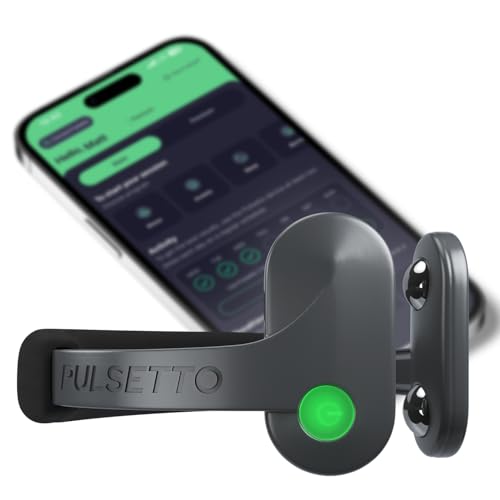
Pulsetto FIT (V2) Wellness Wearable – Relaxation, Sleep & Daily Wellness Support Device
- Short, Easy Relaxation Sessions: 4-10 minute calming routines
- Lightweight, Ergonomic Design: Comfortable wearable for daily use
- Customizable Wellness App: Personalized sessions and tracking
As an affiliate, we earn on qualifying purchases.
Frequently Asked Questions
How Does Sleep Quality Affect On-Call Workers’ Health?
Your sleep quality directly impacts your health, especially as an on-call worker. Sleep deprivation and circadian disruption can lead to increased fatigue, impaired decision-making, and higher stress levels. Poor sleep weakens your immune system and raises your risk of chronic conditions like heart disease. To stay healthy, prioritize sleep, even if in chunks, and maintain a consistent sleep schedule to minimize circadian disruption.
What Are the Best Practices for Managing On-Call Sleep Schedules?
You can optimize your sleep by prioritizing shift flexibility and strategic napping. Even if you think you need uninterrupted sleep, breaking it into chunks can boost recovery. Use sleep optimization techniques like consistent sleep times, limiting screen exposure before rest, and creating a dark, quiet environment. Communicate with your employer about flexible scheduling options, so you can adapt your sleep to fit your on-call demands and stay alert.
How Do On-Call Workers Prevent Burnout?
To prevent burnout during shift work, prioritize your mental resilience by setting boundaries and taking regular breaks. Maintain a consistent sleep schedule, even in chunks, to recharge effectively. Use relaxation techniques like mindfulness or deep breathing to reduce stress. Stay connected with colleagues for support, and listen to your body’s signals. Balancing work and self-care helps you stay energized and resilient, reducing burnout risks over time.
What Legal Protections Exist for On-Call Workers’ Rest?
You have legal rights to safeguard your rest as an on-call worker, even when sleep deprivation hits hard. Laws like the Fair Labor Standards Act (FLSA) and specific state regulations set limits on working hours and mandate rest periods. These protections aim to prevent burnout and ensure you get adequate downtime. Stay informed about your rights, and if your rest is compromised, you can seek support or legal recourse to enforce fair treatment.
How Can Employers Support Better Sleep for On-Call Staff?
To support better sleep for on-call staff, you should encourage effective nap strategies and guarantee a comfortable sleep environment. Promote short, strategic naps during shifts to boost alertness, and provide a quiet, dark, and cool space for rest. Clear policies that prioritize rest and educate staff on sleep hygiene help prevent fatigue. By creating these conditions, you help your team recover better and perform at their best.
Pulsetto Lite (V1) Wellness Wearable – Relaxation & Daily Wellness Support Device
- Quick Relaxation Sessions: 4-10 minute calming routines
- Portable Wellness Device: Compact for home or on-the-go use
- Customizable with Pulsetto App: Personalize sessions and track progress
As an affiliate, we earn on qualifying purchases.
Conclusion
Think of your sleep as a delicate tapestry, woven with care to keep you strong. When you’re on-call, breaking your rest into chunks might feel like tearing at that fabric, but it’s possible to mend it with smart strategies. Embrace the flexibility, listen to your body, and prioritize quality over quantity. With a little patience, you can keep your energy flowing smoothly, like a river finding its way around obstacles, without feeling completely drained.

Entertech Flowtime: Biosensing Meditation Headband - Brain Tracker for Neurofeedback Training at Home - Heart Rate, Breath, HRV, Stress, Flow, Alpha, Theta, Beta, Gamma Wave Breakdowns
- Real-time Meditation Monitoring: Brainwaves, heart rate, and stress levels
- Scientifically Validated Meditation Lessons: Guided techniques for daily progress
- Detailed Performance Reports: Track and compare your meditation data
As an affiliate, we earn on qualifying purchases.

Smedz Neck Massager 2026 New Upgrade 3 in 1 Portable Massager with Heat and Comfortable Stretching - Adjustable Intensity for Neck and Shoulder Relaxation at Home, Office.USB-C Rechargeable
- Customizable Modes: Heat, Vibration, Deep Tissue options
- Auto Shut-Off: 15-minute safe session timer
- Ergonomic Design: Targets neck, shoulders, lower back
As an affiliate, we earn on qualifying purchases.