
To sleep effectively on red-eye flights, adjust your bedtime before departure to match your destination’s time zone, helping your body adapt faster. Use eye masks, noise-canceling headphones, and a neck pillow to create a comfortable, relaxing environment. Stay hydrated and avoid caffeine or alcohol that cause dehydration. Engage in calming activities like music or meditation. Once you land, expose yourself to natural light to reset your internal clock. Keep exploring for more tips to guarantee restful travel.

Get wellness gear delivered free — and shop member deals
- Fast, free delivery on millions of items
- Access to Prime Big Deal Days deals on October 6–7
- Prime Video, Amazon Music and more included
Key Takeaways
- Adjust your sleep schedule gradually before the flight to match your destination’s time zone.
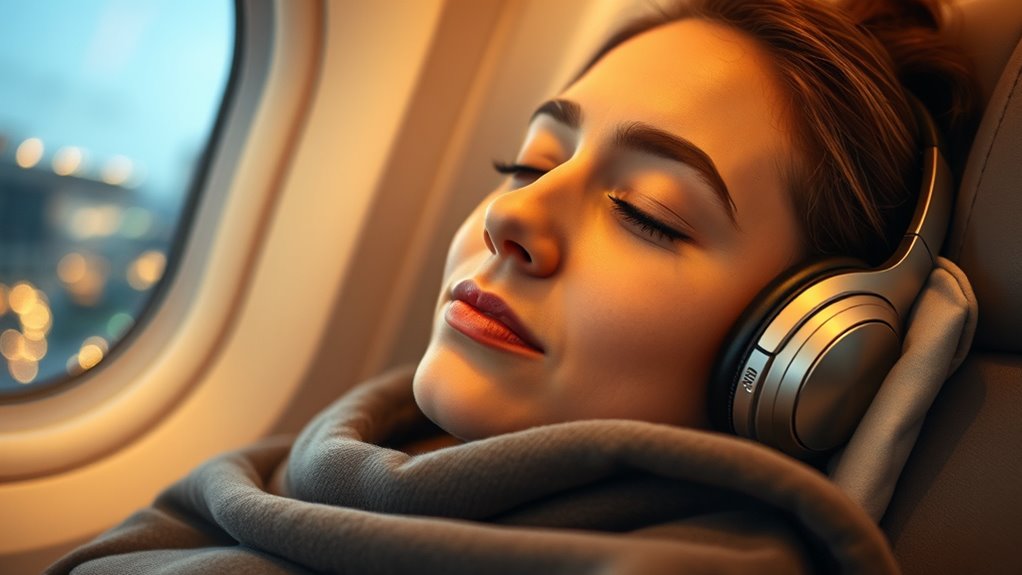
- Use eye masks, noise-canceling headphones, and supportive pillows to create a comfortable sleep environment onboard.
- Aim to sleep during the first half of the flight to align with the destination’s nighttime.
- Stay hydrated and avoid caffeine or alcohol to prevent dehydration and promote restful sleep.
- Expose yourself to natural light upon arrival to help reset your internal clock and reduce jet lag symptoms.
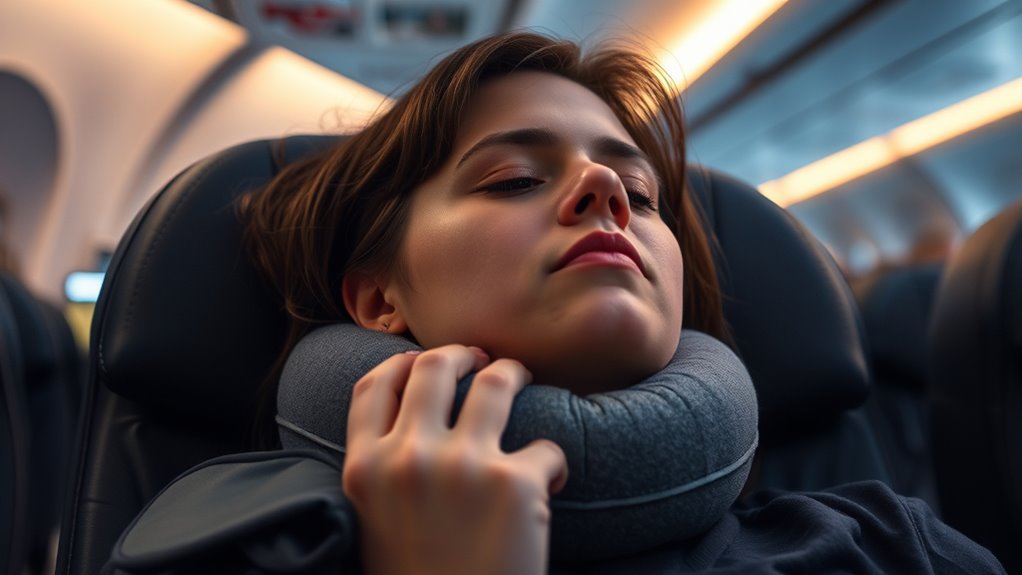
Red-eye flights, those overnight journeys that depart late and arrive early the next morning, have become a popular choice for travelers looking to save time and maximize their days. While they can be convenient, they often leave you feeling groggy and out of sync with your body’s internal clock. To combat this, understanding effective sleep moves is essential, especially when it comes to jet lag remedies and making the most of in-flight entertainment to pass the time comfortably.
When preparing for a red-eye, start by adjusting your schedule a few days before your flight. Shift your bedtime and wake-up time gradually to match your destination’s time zone. This helps your body adapt, reducing the severity of jet lag. Once on board, consider using sleep aids like eye masks and noise-canceling headphones. Blocking out light and sound creates a more conducive environment for rest, even if the airplane isn’t perfectly quiet. If you’re worried about falling asleep, in-flight entertainment options can be a good distraction, but be selective. Choose calming movies or music that help you relax rather than overly stimulating content that keeps your mind active.
Hydration plays a vital role in sleep quality, so avoid excessive caffeine and alcohol, which can dehydrate you and interfere with your rest. Instead, drink plenty of water and consider a light snack with tryptophan-rich foods, like nuts or yogurt, to promote sleepiness. When you settle into your seat, adopt a comfortable position—using a neck pillow if possible—and use blankets to stay warm. If the airline offers adjustable lighting, dim the lights to signal your body that it’s time to wind down. Additionally, incorporating elements of digital literacy, such as using apps for guided meditations or sleep sounds, can help improve your rest during the flight.
Timing your sleep is also important. If you’re flying overnight, try to sleep during the first half of the flight, aligning your rest with nighttime at your destination. This helps reset your internal clock faster. If you find it difficult to sleep, engaging in gentle in-flight entertainment like listening to soothing music or guided meditations can help relax your mind. Some travelers find that reading or doing light stretches in their seat can also ease tension. Once you arrive, exposure to natural light is key—spending time outdoors helps your body adjust and reduces jet lag symptoms.
In the end, combining these sleep strategies with good hydration and mindful entertainment choices can make your red-eye flight much more restful, leaving you energized and ready to explore once you land.
As an affiliate, we earn on qualifying purchases.
Frequently Asked Questions
What Are the Best Strategies to Prevent Jet Lag on Red-Eye Flights?
To prevent jet lag on red-eye flights, you should adjust your light exposure and meal timing before departure. Bright light in the evening helps your body adapt to the new time zone, while avoiding screens close to bedtime reduces melatonin disruption. Plan meals according to your destination’s schedule to sync your internal clock. Staying hydrated and taking short naps can also ease the progression, making you feel less jet-lagged upon arrival.
How Can I Stay Comfortable and Avoid Dehydration During a Red-Eye Flight?
To stay comfortable and avoid dehydration on a red-eye flight, bring hydration tips like a refillable water bottle and avoid alcohol. Dress in comfort essentials such as loose clothing and a neck pillow. Keep hydrated by sipping water regularly, and use moisturizing eye drops or a face mist to stay refreshed. Stretch your legs periodically to improve circulation, ensuring you arrive feeling more comfortable and less dehydrated.
What Types of Sleep Aids Are Safest for Red-Eye Travelers?
Imagine drifting into a peaceful sleep so deep it feels like time itself pauses. For safety, you should try natural remedies like melatonin or herbal teas, which are gentle and effective. Over-the-counter options such as melatonin supplements can help regulate your sleep cycle without harsh side effects. Always consult your doctor before trying new aids, and avoid heavy sedatives. These safe choices let you wake refreshed and ready to conquer your destination.
How Should I Plan My Schedule Around Red-Eye Flights for Optimal Recovery?
You should plan your schedule to allow time for rest before and after your red-eye flight. Create a comfortable sleep environment by using travel accessories like eye masks and noise-canceling headphones, and make certain your seat is as comfortable as possible. Schedule downtime to recover once you arrive, and avoid strenuous activities immediately after. Prioritizing good sleep environment and allowing your body time to adjust helps you wake up refreshed.
Are There Specific Seat Choices That Improve Sleep Quality on Red-Eye Flights?
Choosing the right seat is like finding a quiet island in a noisy ocean. Opt for a window seat to lean against the wall and block out aisle traffic, helping you sleep better. If you prefer easy access, an aisle seat allows quick bathroom breaks without disturbing others. Both options can improve your sleep quality, so pick based on your comfort needs to arrive refreshed and ready.
noise cancelling headphones for flying
As an affiliate, we earn on qualifying purchases.
As an affiliate, we earn on qualifying purchases.
Conclusion
So, next time you face a red-eye flight, remember these sleep strategies. It might seem tough to rest in cramped seats, but imagine your body as a cozy nest—pillows, eye masks, and relaxation techniques help create that comfort. Even if you worry about jet lag, these tips can make a difference, turning a sleepless night into a rejuvenating experience. With a little preparation, you’ll arrive refreshed and ready to go.
As an affiliate, we earn on qualifying purchases.
As an affiliate, we earn on qualifying purchases.
Fall Picks
fall essentials
As an affiliate, we earn on qualifying purchases.