TL;DR

Get wellness gear delivered free with Prime
- Fast, free delivery on millions of items
- Prime Video, Amazon Music and more included
- Member-only deals all year
Infrared sauna blankets are insulated wraps that use electric heating elements to warm the person inside, often causing sweating. They may feel relaxing, but evidence for blanket-specific health benefits is limited, and sweat-related scale changes mostly reflect water loss. Start with a short, low-temperature session, follow the manual, and ask a clinician first if pregnancy, a health condition, or medication could affect heat tolerance.
A sauna blanket can leave your shirt damp and your bathroom scale lower, but those two results don’t mean it has burned fat or flushed toxins from your body. Infrared sauna blankets are insulated wraps that use electric heating elements to warm you while you lie inside. They can make a chilly evening feel like a long, warm exhale. What they can do for your health is a different question.
This guide explains what they are, how the heat feels, and what the evidence does and doesn’t support. You’ll also get practical safety steps, a buying checklist, and clear answers to common questions about weight loss, detox claims, and use with health conditions. If you’re considering one, the goal is simple: know what you’re paying for and how to use it with care.
An infrared sauna blanket uses electric heating elements to warm you inside an insulated wrap; it differs from a traditional sauna.
Sweating can temporarily lower scale weight through fluid loss, but that change does not represent fat loss.
Evidence for many health claims specific to sauna blankets is limited, and traditional sauna research does not automatically apply.
Start with a short, low-temperature session, follow the manual, drink fluids, and stop if you feel unwell.
Ask a clinician before use if you’re pregnant, have a relevant health condition, or take medicine that could affect heat tolerance.
What an Infrared Sauna Blanket Actually Does
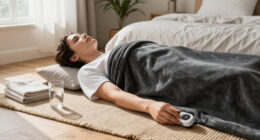
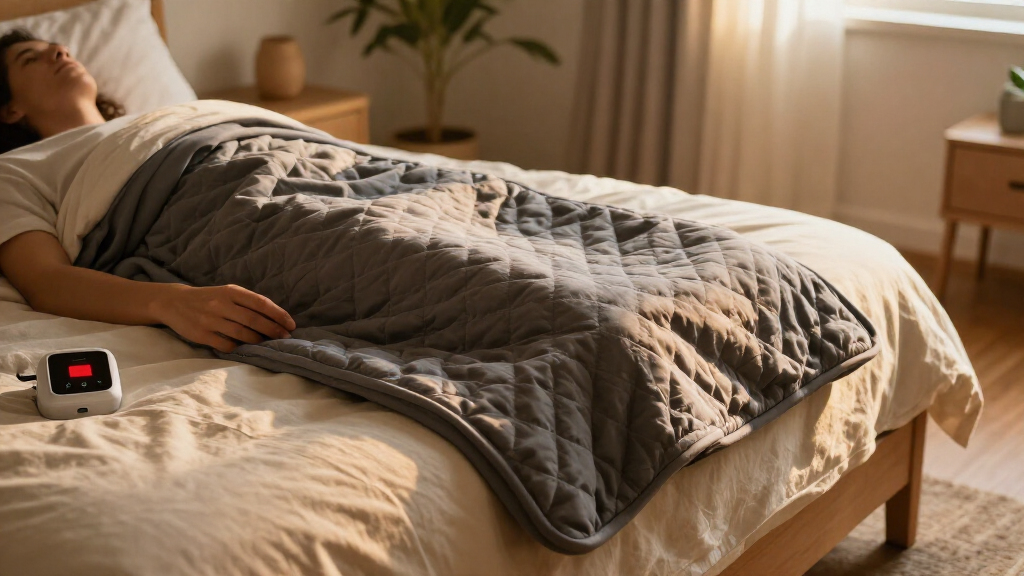
An infrared sauna blanket is a portable, insulated wrap that uses electric heating elements to warm your body and the space inside the wrap. You lie inside it, set a temperature and session length on the controls, and feel heat build around you. A blanket may lead to sweating, but it is not the same experience as sitting in a traditional sauna. The enclosure holds heat close to your body, so comfort depends not only on the set temperature but also on the fabric, fit, room conditions, and how easily you can uncover or exit.
Think of the blanket as a sleeping bag with a built-in heater: the enclosure holds warmth close, while the controls set how much heat it supplies. Models vary in size, materials, heating zones, and control design. One may offer separate settings for your upper and lower body; another may use a single temperature setting. Those differences shape comfort and convenience, not proof of extra health effects. Separate zones may let you adjust the experience, for example, but they also mean there are more controls and settings to understand. A simple control panel can be easier to operate, while a more elaborate one is useful only if its functions are clear and reliable.
For example, imagine finishing a cold-weather walk and lying in a blanket with the heat set according to its manual. You may feel warmed through and notice sweat on your skin. That experience tells you the product heated you up; it does not establish that it treats a health condition or matches research on traditional saunas. Product design and experience vary, so check the specific manual before use. This distinction matters because feeling an effect in the moment is not the same as evidence of a lasting health outcome.
Products Worth Considering

Bowflex SelectTech 840 Adjustable Kettlebell

BowFlex Results Series 552 SelectTech Adjustable Dumbbell

Levoit Vital 100S-P Smart Air Purifier with Washable Pre-Filter
As an affiliate, we earn on qualifying purchases.
What the Evidence Says About Benefits and Weight Loss
Infrared sauna blankets can deliver warmth and sweating, and heat exposure may feel relaxing or temporarily increase heart rate and circulation. Those immediate responses describe what the body may do during heat exposure; they do not by themselves show that repeated blanket sessions prevent disease or improve long-term health. Evidence for health benefits specific to these blankets remains limited. Research on traditional saunas or other heat therapies cannot automatically tell you what a blanket will do, because the heat source, airflow, temperature, and delivery differ. The practical implication is that a claim based on another kind of heat exposure needs direct evidence before it can be treated as a result for this product.
The scale can be especially misleading after a sweaty session. Sweat carries water out of your body, so your weight may dip temporarily. After you drink and replace those fluids, the number can rise again; that short-term change is fluid loss, not fat loss. The timing explains why the result can look dramatic but fail to persist: the scale measures total body weight, including water, rather than identifying what tissue changed. If your goal is weight management, a blanket cannot replace sustainable eating habits and physical activity.
Some advertisements promise “detox,” disease treatment, or broad cardiovascular benefits. Treat claims like these cautiously: your liver and kidneys handle most routine waste processing, and sweating has not been shown to remove meaningful amounts of toxins. Picture the difference between drying a wet countertop and removing grime from the plumbing. Sweat shows that water left your body; it does not prove a deeper cleansing effect. Comfort is a plausible benefit, while many advertised long-term outcomes remain unestablished. That difference is useful when weighing a purchase: a pleasant heat session may be worth paying for as a comfort item, but it is a poor reason to expect treatment or measurable health improvement.
How to Use One More Carefully at Home
Infrared sauna blankets are best approached with a short, low-temperature first session, careful attention to the manual, and a willingness to stop if you feel unwell. There is no universally established schedule that guarantees benefit or safety. Set the blanket up where you can exit it independently, and don’t treat heavy sweating as a goal. Starting gently gives you a chance to learn how your body responds before increasing exposure; it also avoids treating a longer or hotter session as automatically more effective.
- Read the product manual for temperature, time, clothing or liner requirements, and cleaning instructions. These details vary by model, and ignoring them can affect both comfort and product safety.
- Start conservatively. Choose a short session at a low setting instead of aiming for the longest or hottest option. If you feel well, you can make a later decision using the manual and your own response; there is no need to push through discomfort to get a useful heat experience.
- Drink fluids and pay attention to how you feel. Stop if you become faint, overheated, or unwell. Sweating means you are losing fluid, so trying to maximize sweat can increase discomfort without establishing a greater health benefit.
- Stay awake and able to get out. Avoid use after alcohol or intoxicating drugs, and never use the blanket while asleep. Heat can become harder to judge when alertness is reduced, and a wrap is only manageable if you can respond promptly.
- Inspect before use. Don’t use a damaged blanket; follow the manufacturer’s directions for cleaning, moisture, and storage. Damage or trapped moisture can affect an electric product, while incorrect folding or care may shorten its life.
For instance, if you notice dizziness during your first session, end it and cool down rather than waiting for the timer. Don’t use a blanket if you cannot exit it on your own. These steps can reduce avoidable risks, but they do not make every product or situation safe. Overheating, dehydration, and burns are possible, even when warmth initially feels pleasant. A timer or temperature control is a useful limit, but it cannot replace paying attention to how you feel.
When Heat Calls for a Conversation With Your Clinician
Infrared sauna blankets may pose extra concerns when your health or medication affects how you sense heat, sweat, stay alert, or regulate circulation. If you’re pregnant, have a heart or blood-pressure condition, have impaired temperature sensation, or take medicine that affects sweating, circulation, or alertness, ask a clinician before using one. These factors matter because a person may overheat or become unwell before noticing the warning signs they would normally rely on. Your personal situation matters more than a general claim on a product page.
Consider someone who takes a medicine that makes them drowsy. A session that seems manageable on an ordinary evening may become harder to judge if they feel less alert or don’t respond quickly to rising heat. Another person with reduced temperature sensation may not notice a dangerously hot patch as soon as someone else would. Heat tolerance varies, and a blanket surrounds the body, so the ability to notice discomfort and exit promptly matters. A setting that feels mild to one person is not a reliable guide for another person’s safe limit.
Ask your clinician a direct question: “Could heat exposure from this product be a concern with my condition or medication?” Bring the model’s manual or temperature and session limits if you have them. That gives the clinician concrete information about the product and helps make the answer specific to your circumstances. If you’re advised to avoid heat exposure, follow that advice rather than relying on a lower setting to solve the issue. Professional guidance is the sensible first step when health factors could change how your body handles heat.
What to Check Before You Buy a Sauna Blanket
Infrared sauna blankets differ in controls, materials, and safety information, so compare the product details that affect setup and use before paying for one. Adjustable zones, app-connected controls, wipe-clean liners, and claims about low electromagnetic-field exposure are product features or marketing claims. None of those details alone proves better health outcomes or establishes that a product is safe. The useful question is whether a feature solves a practical problem for you: an app may be convenient, for instance, but clear physical controls may be easier to use when you are inside the wrap.
| What to check | Why it matters | Example question |
|---|---|---|
| Independent testing and safety certifications | These can provide evidence about product testing and applicable electrical or fire-safety requirements in your region. | Which certification applies where I live? |
| Temperature and session limits | You need clear instructions for setting and ending a session. | Does the manual give a maximum time and temperature? |
| Cleaning and storage directions | Care instructions can help you avoid damage from moisture or incorrect folding. | Can the liner be washed, or should it be wiped clean? |
| Warranty and controls | These affect support if a control or heating zone stops working. | What does the warranty cover, and for how long? |
Suppose two listings both promise adjustable heat, but only one clearly explains its session limits, cleaning method, and applicable safety certifications. That documentation gives you more useful information than a dramatic wellness claim. It helps you judge how the product is meant to be used and what support may be available if something fails. Regulations and specifications can change, so check current manufacturer information and the safety regulator relevant to your region. Clear instructions and credible testing are more useful buying signals than claims about detox or special fields. If a feature raises the price, weigh that cost against a practical benefit you will actually use.
How a Blanket Compares With a Traditional Sauna
Infrared sauna blankets heat an enclosed wrap around your body, while a traditional sauna heats a room you sit in. The heat source, airflow, temperature, and delivery differ, which means results from one setting do not automatically apply to the other. A blanket is compact and used lying down; a traditional sauna gives you room to sit and move, with different surroundings and a different feel. Those differences can affect how the heat is experienced and how long someone chooses to stay, so the product label alone does not tell you whether two sessions are comparable.
That difference matters when you read research or compare products. A study of traditional sauna use does not demonstrate that a blanket delivers the same exposure or outcome. Think of it like comparing a heated car seat with a heated room: both can warm you, but the amount of space, airflow, and pattern of heat are not interchangeable. Similar warmth does not mean identical evidence. For consumers, this means that claims citing sauna research should be checked for whether the studied equipment and conditions actually match the blanket being sold.
For a practical example, if you enjoy sitting upright in a communal sauna and cooling down between rounds, a wrap may feel restrictive. If you want a portable heat experience at home, a blanket may suit your routine better, provided you can use it safely and follow its directions. The tradeoff is convenience and compact storage against a more enclosed, less flexible experience. Neither option is a shortcut to proven weight loss or detoxification. Choose by comfort, setup, and instructions, not by assuming one format inherits the claims made for another.
Frequently Asked Questions
Do infrared sauna blankets work?
They use electric heating elements to warm the person inside and can cause sweating. Evidence for many advertised health benefits specific to sauna blankets remains limited, so separate the warmth you can feel from health claims that need stronger support.
Can an infrared sauna blanket help with weight loss?
A session may lower the scale temporarily because you lose fluid through sweat. The number can change again when you drink and replace that water; the drop does not show fat loss or replace sustainable nutrition and physical activity.
Do sauna blankets detox the body?
“Detox” is often an unclear marketing claim. Sweating has not been shown to remove meaningful amounts of toxins, while your liver and kidneys handle most routine waste processing.
How long or how often should I use one?
Follow the instructions for your specific model and begin with a short session at a low temperature. There is no universally established schedule that guarantees safety or benefit; stop if you feel faint, overheated, or unwell.
Are infrared sauna blankets safe during pregnancy or with a medical condition?
Heat exposure may not be appropriate in some circumstances. Ask a clinician before use if you’re pregnant, have a heart or blood-pressure condition, have impaired temperature sensation, or take medicine that may affect sweating, circulation, or alertness.
Do infrared sauna blankets emit harmful radiation?
Infrared is non-ionizing radiation, unlike X-rays, but electrical fields and product designs vary. Review credible testing and applicable safety certifications instead of relying only on a manufacturer’s marketing claim.
Conclusion
If you’re curious about an infrared sauna blanket, judge it by the heat experience, instructions, and credible product information you can verify. Start short and cool, keep water nearby, and stop if your body signals discomfort. Ask a clinician first when pregnancy, a health condition, or medication could affect your response to heat.
Remember what a damp towel and a lower scale reading can tell you: you sweated. They can’t prove fat loss or a body-wide detox. Let the blanket be warmth on a cold evening, not a promise that asks you to ignore how you feel.