

The ‘First Night Effect’ is a common response where your sleep is lighter and more fragmented at the start of a new environment, like during sleep studies or in unfamiliar places. It happens because your brain stays alert, making you wake more often and reducing REM sleep. Don’t worry—this is normal and usually fades after a few nights. Keep reading to understand how to manage this and get accurate insights into your sleep health.
Key Takeaways
- Initial sleep studies may show lighter sleep and more awakenings due to the first night effect, which is normal.
- The first night effect reflects the brain’s alertness in unfamiliar environments, not necessarily health issues.
- Sleep patterns often normalize after several nights, so early readings should be interpreted with caution.
- Environmental factors like noise or light can influence first-night sleep results; control these for more accurate data.
- Discuss your initial findings with your healthcare provider, understanding that some irregularities are typical and temporary.
What Is the ‘First Night Effect’ and How Common Is It?

The first night effect refers to the tendency for people to experience poorer sleep quality during their first night in a new or unfamiliar environment. This phenomenon is quite common, affecting many individuals regardless of age or health. During this night, you might notice difficulty falling asleep, frequent awakenings, or lighter sleep overall. Sleep deprivation can set in because your brain remains alert, often leading to REM suppression, which impacts the restorative stages of sleep. This response is part of your body’s natural adaptation process to unfamiliar surroundings. The contrast ratio of your environment’s lighting can also influence sleep quality during this period. Additionally, understanding the brewing methods used in your environment can help you create a more comfortable setting for better sleep. Most people recover quickly after that initial night, and sleep improves as your brain adapts to the new environment. Understanding this effect helps you realize that these sleep disturbances are temporary and normal.
Why Does the ‘First Night Effect’ Occur?
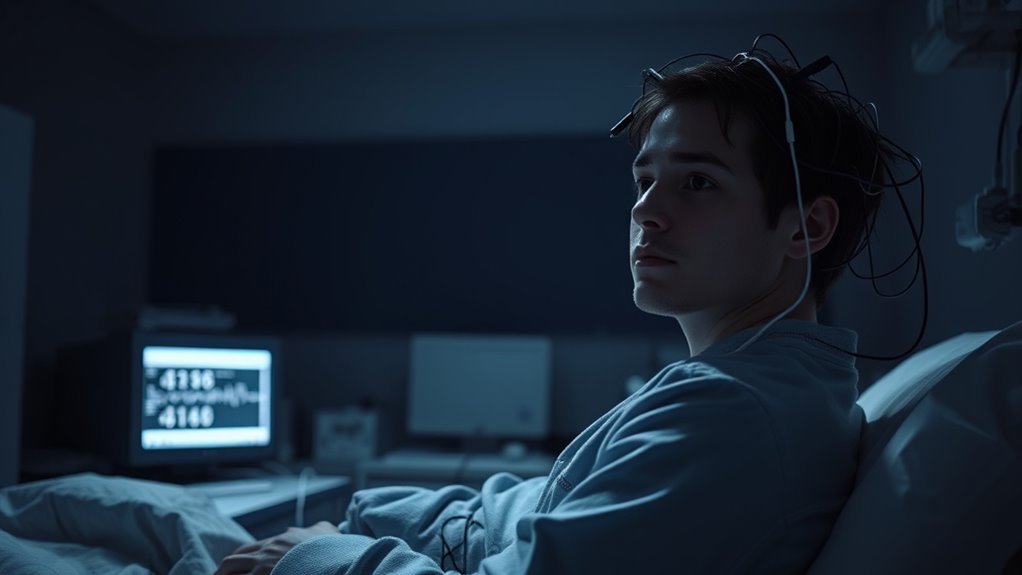
Your brain actively responds to the unfamiliar environment, which is why the first night effect occurs. When you’re in a new place, your brain remains alert, making it harder to relax and fall into deep sleep. Sleep deprivation from previous nights can heighten this response, intensifying the effect. Environmental noise, like unfamiliar sounds or disturbances, also triggers your subconscious to stay alert. This combination keeps your brain on edge, preventing restful sleep. Additionally, the electric power generation with bike generators concept highlights how environmental factors can influence energy levels and alertness. Here’s a quick overview:
| Cause | Effect | Recommendation |
|---|---|---|
| Sleep deprivation | Increased alertness | Rest well before traveling |
| Environmental noise | Disrupted sleep cycle | Use earplugs or white noise |
| Unfamiliar surroundings | Heightened awareness | Create a familiar environment |
| Stress | Fragmented sleep | Practice relaxation techniques |
| Anxiety | Reduced sleep quality | Practice calming routines |
Furthermore, understanding how auditory processing impacts sleep can help develop strategies to mitigate the effects of environmental noise and improve sleep quality. Incorporating soundproofing techniques can also significantly reduce disturbances and promote better rest in unfamiliar settings. Additionally, sleep hygiene practices such as maintaining a cool, dark, and comfortable environment can facilitate quicker adaptation to new surroundings. Recognizing the importance of environmental cues can further aid in establishing a sense of familiarity that supports relaxation and sleep.
Recognizing Sleep Pattern Changes During Your First Night

When adjusting to a new sleep environment, noticeable changes in your sleep patterns often occur on the first night. You might notice your sleep cycle is disrupted, with lighter sleep and more frequent awakenings. Your REM sleep, where dreams are most vivid, can also be affected, leading to altered dream intensity. These shifts are normal and part of your brain adjusting to unfamiliar surroundings. Pay attention to how often you wake up and how your sleep feels overall. If your dream intensity seems heightened or diminished, it’s a common response to the new environment. Recognizing these changes helps prevent alarm or misinterpretation. Additionally, understanding sleep pattern changes can help you stay calm and patient as your body adapts. Being aware of typical sleep cycle disruptions can also ease concerns about your sleep quality during this adjustment period. Remember, these variations are temporary, and your sleep cycle will typically normalize after a few nights. Knowing about first night effects can also help you better prepare for sleep in new settings.
Tips to Minimize the Impact of the ‘First Night Effect

Adjusting to a new sleep environment can be challenging, but there are practical steps you can take to reduce the first night effect. Focus on creating a comfortable sleep environment by controlling noise, light, and temperature. Use relaxation techniques like deep breathing or progressive muscle relaxation to calm your mind before bed. Establish a consistent pre-sleep routine to signal your body it’s time to rest. Here’s a quick overview:
| Sleep Environment | Relaxation Techniques |
|---|---|
| Keep room dark and quiet | Practice deep breathing |
| Maintain a comfortable temperature | Use calming scents like lavender |
| Use a supportive mattress | Try meditation or gentle stretching |
| Minimize electronic device use | Engage in calming activities before bed |
| Keep bedding clean and inviting | Avoid caffeine or heavy meals before sleep |
Additionally, paying attention to your sleep hygiene can make a significant difference in how quickly your body adapts to a new sleeping environment. Incorporating relaxation techniques regularly can further enhance your comfort and help you fall asleep faster. Regular practice of these methods can also promote better sleep quality and reduce the likelihood of disturbances. Practicing consistent sleep habits can also help your brain adjust more quickly to the new environment and reduce the first night effect.
Interpreting Your Sleep Study Results in Light of the ‘First Night Effect’
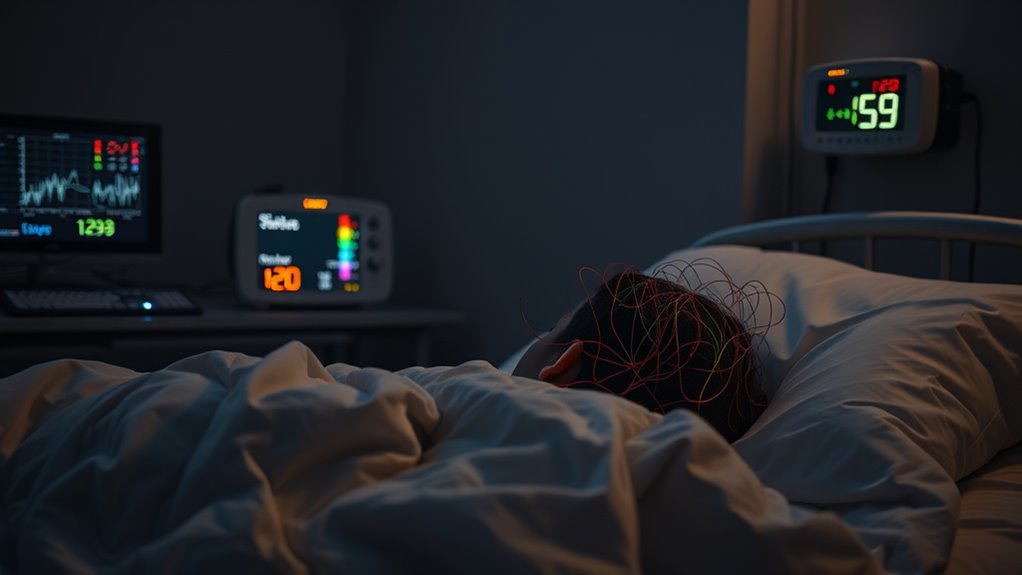
Interpreting your sleep study results requires understanding how the first night effect can influence the data. The sleep environment often differs from your usual setting, which can cause atypical sleep patterns. This may lead to lighter sleep or more awakenings, skewing the results. Additionally, technician influence plays a role—your sleep technician might adjust equipment or provide instructions that affect your sleep. Keep in mind that some irregularities are normal during this initial night. When reviewing your results, consider these factors and avoid jumping to conclusions about potential issues. It’s important to discuss your findings with your healthcare provider, who can interpret the data in context, taking the first night effect into account for a more accurate assessment.
Frequently Asked Questions
Can the ‘First Night Effect’ Occur in Both Hospital and Home Sleep Studies?
Yes, the ‘first night effect’ can occur in both hospital and home sleep studies. Your sleep environment and patient anxiety play significant roles in this phenomenon. In unfamiliar settings like hospitals, it’s common to experience disrupted sleep patterns, and even at home, anxiety about the results can impact your sleep. Understanding this helps you stay calm and guarantees more accurate readings, whether you’re in a clinical or familiar environment.
How Long Does the ‘First Night Effect’ Typically Last?
The ‘first night effect’ usually lasts just one to two nights, though it can sometimes extend slightly longer. During sleep adaptation, you might experience altered sleep patterns, which contribute to study variability. Keep in mind that your initial readings may not fully reflect your typical sleep, so don’t worry if they seem different. Most people adjust quickly, and subsequent nights typically show more accurate results.
Does the ‘First Night Effect’ Affect Everyone Equally?
You might feel the ‘First Night Effect’ like a stubborn fog, but it doesn’t hit everyone the same way. Sleep deprivation or medication effects can make some more sensitive, while others sleep through it like a calm lake. Factors like anxiety or health also influence your experience. So, don’t worry if your initial readings seem off; your response depends on your unique sleep landscape.
Are There Specific Sleep Disorders More Impacted by the ‘First Night Effect’?
Certain sleep disorders, like REM disruptions and anxiety-related insomnia, are more impacted by the ‘First Night Effect’. You might find it harder to enter REM sleep or stay asleep if you’re prone to anxiety or have disrupted sleep patterns. The unfamiliar environment can heighten your alertness, making it difficult to relax. If you notice these issues, don’t worry—these effects usually lessen after your first night, allowing for more accurate readings.
What Are the Long-Term Implications of the ‘First Night Effect’ on Sleep Health?
Think of your sleep as a garden needing consistent care. The first night effect might temporarily cloud sleep quality readings, but it doesn’t cast long shadows on your long-term health. If you ignore these initial disturbances, your overall sleep patterns can still flourish. Prioritizing good sleep hygiene helps nurture lasting sleep health, ensuring that short-term disruptions won’t hinder your journey toward better sleep quality and long-term well-being.
Conclusion
Remember, that initial night’s unfamiliar rhythm is just nature’s gentle nudge, guiding you toward understanding your unique sleep story. As you become more acquainted with your patterns, the early missteps fade into quiet, meaningful chapters of growth. Don’t let the first night’s quiet whispers unsettle you; instead, see them as a delicate prelude to deeper self-awareness. With patience and gentle attention, you’ll find your true sleep harmony unfolding, piece by peaceful piece.