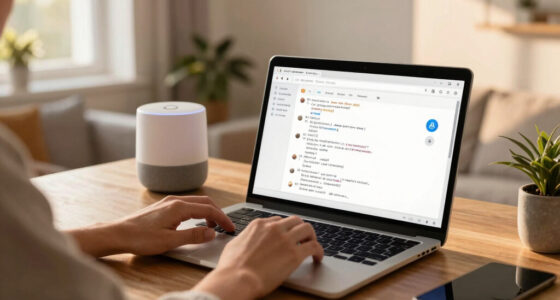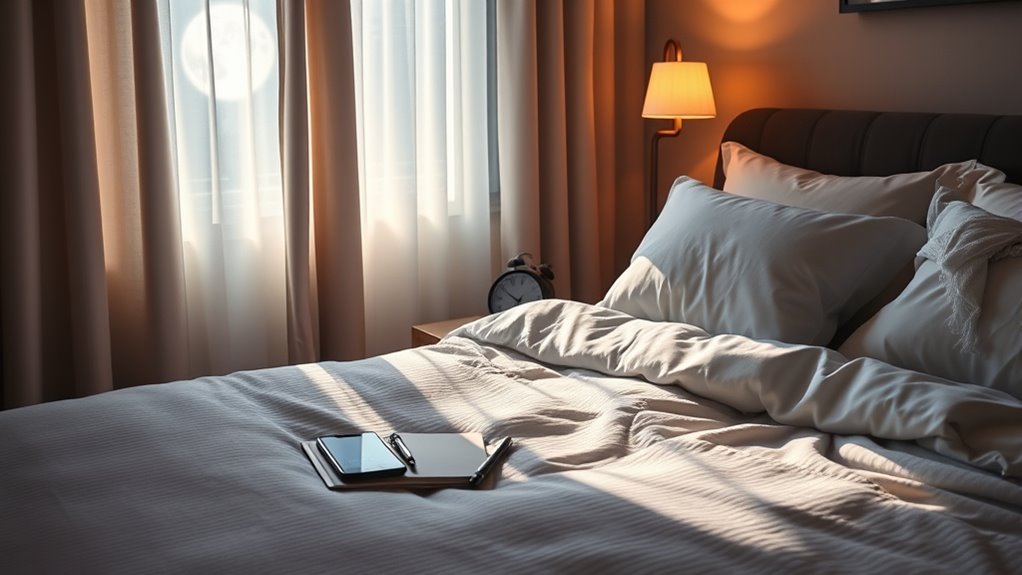
To create your own sleep experiment without lab gear, start by tracking your sleep habits with a journal or simple app, noting bedtime, wake-up time, and disruptions. Then, adjust factors like room temperature, lighting, or bedtime routines, and record how each change affects your sleep quality. Focus on small, consistent tweaks and observe your body’s responses. Keep experimenting and refining your approach—staying mindful of what works best for you—as you discover personalized ways to sleep better.
Key Takeaways
- Track your sleep patterns daily using a journal or basic sleep app to identify trends and areas for improvement.
- Make small environmental changes, such as adjusting room temperature or eliminating noise, and observe their effects.
- Establish a calming pre-sleep routine, like reading or gentle stretches, to signal your body it’s time to wind down.
- Limit screen time and blue light exposure at least an hour before bed to improve melatonin production.
- Experiment with different variables over 1-2 weeks, recording results to discover personalized sleep habits.
Have you ever wondered how your unique sleep patterns affect your daily life? Understanding your sleep habits can make a significant difference in your overall well-being, and you don’t need fancy lab equipment to get started. The first step is to focus on sleep tracking. By paying close attention to how long and how well you sleep each night, you can identify patterns and pinpoint issues. You don’t need high-tech gadgets; a simple journal or a basic sleep tracking app on your phone can do the trick. Record when you go to bed, when you wake up, and any nighttime awakenings. Over a week or two, you’ll start to see trends emerge—like whether you tend to sleep longer on weekends or if certain nights are consistently restless.
Once you’ve established a baseline with sleep tracking, it’s vital to consider your sleep environment. Your surroundings play a huge role in the quality of your sleep. Think about your bedroom setup: Is it dark enough? Light can interfere with your circadian rhythm, so blackout curtains or an eye mask can help. Is it quiet? If noise disturbs you, try earplugs or a white noise machine. The temperature matters too—most people sleep best in a cool room, around 60-67°F (15-19°C). Make your sleep environment comfortable and consistent, avoiding disruptions that could throw off your sleep quality.
Optimize your sleep environment with darkness, quiet, and a cool temperature for better rest.
Creating a sleep-friendly environment also involves reducing stimuli before bed. Limit screen time an hour before you plan to sleep, since blue light can suppress melatonin production. Instead, establish a calming pre-sleep routine—reading, gentle stretches, or listening to soothing music. These habits signal to your brain that it’s time to wind down, making it easier to fall asleep and stay asleep. Additionally, incorporating natural sleep aids such as herbal teas or relaxation techniques can further enhance your sleep quality.
As you track your sleep and optimize your environment, experiment with different variables. Maybe you find that a cooler room helps you sleep deeper, or that removing electronic devices from your bedroom reduces nighttime awakenings. Keep a journal of your adjustments and observe how they influence your sleep quality. Remember, creating a personal sleep experiment isn’t about perfection; it’s about learning what works best for you. Small changes, consistently applied, can lead to meaningful improvements in your sleep patterns and, consequently, your daily life. By taking a mindful, intentional approach, you’ll better understand your sleep needs and develop habits that support restorative rest every night.

Sleep Journal: A Daily Tracker to Help You Track and Improve Your Sleep Patterns for Restful Nights and More Energized Days | Perfect Log for Men, Adults, Insomnia
As an affiliate, we earn on qualifying purchases.
As an affiliate, we earn on qualifying purchases.
Frequently Asked Questions
How Long Should Each Sleep Experiment Last?
You should aim for at least one to two weeks per sleep experiment to accurately observe changes in your sleep cycle and circadian rhythm. This duration allows your body to adapt and provides enough data to identify patterns. Shorter periods may not capture typical variations, so sticking to this timeframe helps you understand how different sleep schedules impact your overall sleep quality and daily alertness.
Can I Do Multiple Experiments Simultaneously?
Yes, you can do multiple sleep experiments simultaneously, but it’s best to focus on one at a time for clear results. Maintain sleep consistency to track changes accurately, and monitor dream recall to gauge your progress. Juggling experiments might cause confusion, so prioritize sleep quality and keep detailed notes. This way, you’ll better understand how different sleep patterns influence your dreams and overall sleep health.
What Signs Indicate My Sleep Pattern Is Improving?
When your sleep cycle gets more consistent and your dream recall improves, you know you’re on the right track. You’ll wake up feeling more refreshed, and your sleep becomes less interrupted. Pay attention to how easily you fall asleep and whether you remember vivid dreams. These signs show your sleep pattern is getting better, like hitting two birds with one stone—better rest and sharper memory of your dreams.
How Do I Track Sleep Quality Without Tech?
You can track your sleep quality by keeping a sleep journal, noting when you go to bed, wake up, and how rested you feel each morning. Pay attention to your dreams and try dream analysis to identify patterns or disruptions. This simple approach helps you understand your sleep habits without tech, allowing you to notice improvements over time and adjust your routines for better sleep health.
Is It Safe to Experiment With Sleep Deprivation?
Sure, risking your sleep safety with deprivation sounds like a thrilling adventure, but it’s best avoided. Sleep deprivation can impair your judgment and health, so do a risk assessment before experimenting. If you notice extreme fatigue, mood swings, or cognitive issues, stop immediately. Remember, pushing boundaries isn’t worth compromising your well-being—sometimes, the safest choice is a good night’s sleep, not a reckless all-nighter.
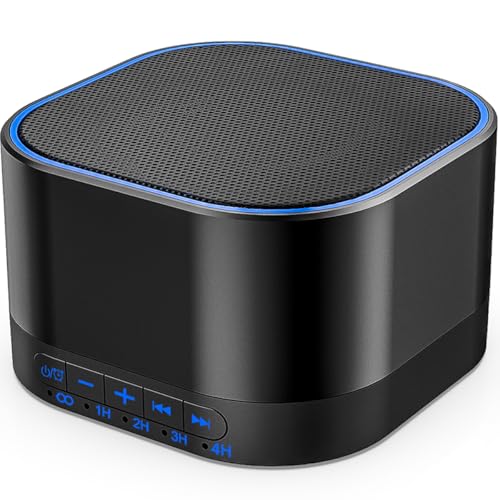
Magicteam Sound White Noise Machine with 20 Non Looping Natural Soothing Sounds and Memory Function 32 Levels of Volume Powered by AC or USB and Sleep Sound Timer Therapy for Baby Kids Adults
- 20 Non-Looping Soothing Sounds: Includes white, brown, pink, blue noise, and nature sounds
- Adjustable Volume & Timer: 32 volume levels and multiple timer options
- Portable & Compact Design: Small size for home, office, or travel use
As an affiliate, we earn on qualifying purchases.
As an affiliate, we earn on qualifying purchases.
Conclusion
Remember, your sleep is your foundation—without it, everything crumbles. By designing your own experiment, you’re the architect of your rest, shaping habits that fuel your days. Think of your sleep journey as a blank canvas; each change is a brushstroke leading to your ideal rest. So, take charge, stay curious, and remember: the key to better sleep isn’t out there, it’s within you waiting to be unsealed. Your best rest starts now—are you ready to begin?

MZOO Luxury Sleep Mask for Women Men Patented Light Blocking Design
- Zero Eye Pressure: Deep 13mm arc-shaped eye cups
- Ideal for Side Sleepers: 15° curved thin sides for comfort
- Complete Light Blocking: Contoured cups and 22mm nose padding
As an affiliate, we earn on qualifying purchases.
As an affiliate, we earn on qualifying purchases.

QUTOOL Cooling Pillow for Sleeping, CertiPUR-US Shredded Memory Foam Queen Pillows Set of 2, Cool Pillow for Hot Sleepers Adjustable Firm Pillow for Side, Back, Stomach Sleepers Soft Yet Support,White
- Cooling Technology: Double-sided cover with cooling and soft sides
- Temperature Reduction: Lowers surface temperature by 4-9℉
- Breathable Materials: Bamboo-derived Rayon and Polyester blend
As an affiliate, we earn on qualifying purchases.
As an affiliate, we earn on qualifying purchases.