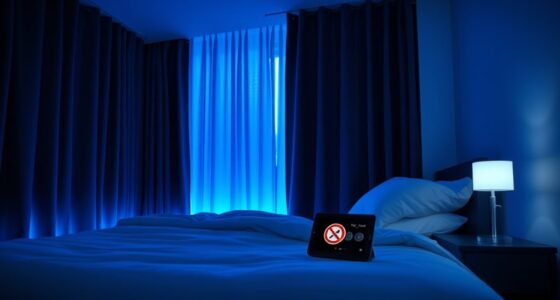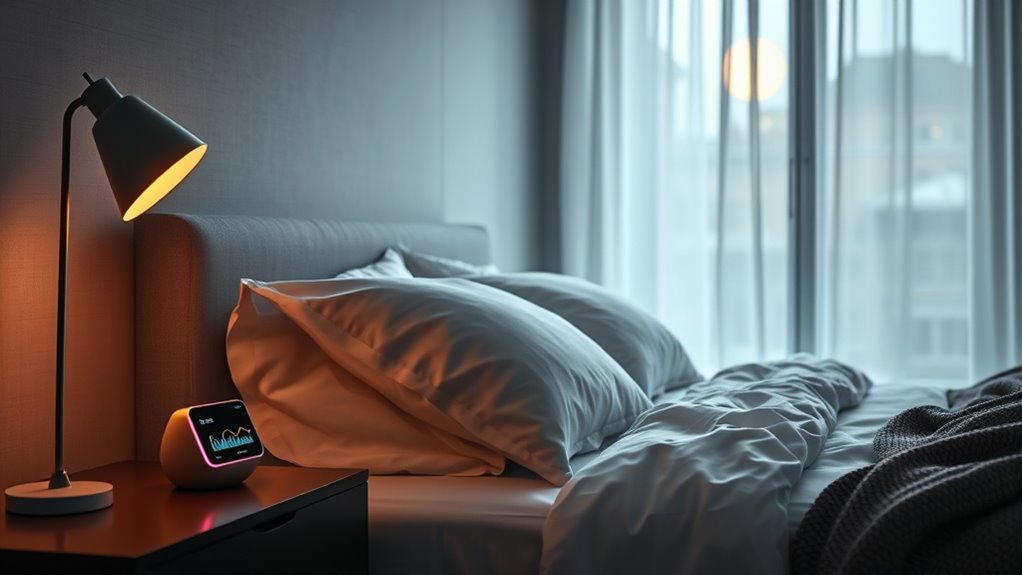

To reduce Wake After Sleep Onset (WASO), start by optimizing your sleep environment. Keep your room cool, dark, and quiet, and invest in comfortable bedding. Establish a consistent bedtime routine, avoiding screens and calming activities before bed. Use relaxation techniques like deep breathing to wind down and stick to a regular sleep schedule. Small environmental tweaks and routines can make a big difference—continue with some simple tips to enjoy more restorative sleep.
Play games included with Prime
Start a Prime free trial and play with Amazon Luna on your devices.
As an affiliate, we earn on qualifying purchases.
Key Takeaways
- Optimize your sleep environment by reducing noise, light, and maintaining a cool temperature to minimize sleep disruptions.
- Establish a consistent bedtime routine and sleep schedule to regulate your internal clock and improve sleep continuity.
- Avoid screens and blue light before bed; engage in calming activities to promote relaxation and ease the transition to sleep.
- Use relaxation techniques like deep breathing or progressive muscle relaxation to reduce pre-sleep anxiety and awakenings.
- Support restorative sleep by ensuring comfortable bedding and addressing any discomfort that may cause awakenings.

Have you ever woken up during the night and found it hard to fall back asleep? If so, you’re not alone. Many people experience wake after sleep onset (WASO), where they wake during the night and struggle to return to restful sleep. This can leave you feeling exhausted and groggy in the morning. Fortunately, small adjustments to your sleep environment and bedtime routines can make a considerable difference in reducing WASO.
Start by examining your sleep environment. Your bedroom should be a sanctuary for rest, free of distractions and discomfort. Keep the room cool, ideally between 60 and 67 degrees Fahrenheit, since a cooler environment promotes better sleep. Darkness is equally important; invest in blackout curtains or a sleep mask to block out light, as even small amounts can disrupt your sleep cycle. Noise levels matter too—if your room isn’t quiet, consider using earplugs or a white noise machine to drown out disturbances. Comfortable bedding, including supportive pillows and a mattress suited to your preferences, also helps you stay asleep longer. When your sleep environment is optimized, your body is more likely to stay in the deep, restorative stages of sleep, reducing the chances of waking up during the night. Additionally, understanding sleep stages can help you better appreciate how to support uninterrupted sleep.
Alongside your physical surroundings, establishing consistent bedtime routines can substantially impact your sleep quality. Going to bed and waking up at the same time each day helps regulate your internal clock, making it easier to fall asleep initially and stay asleep through the night. Before bed, avoid screens—blue light from phones, tablets, and computers can interfere with melatonin production, the hormone that signals sleep. Instead, opt for calming activities like reading a book, gentle stretching, or listening to relaxing music. Creating a wind-down routine signals to your brain that it’s time to relax and prepare for sleep. This routine might include dimming the lights, practicing deep breathing exercises, or journaling to clear your mind of worries. Consistency breeds familiarity, and your body begins to anticipate sleep at the same time each night, decreasing the likelihood of waking during the night.
Incorporating these tweaks—improving your sleep environment and sticking to a calming, consistent bedtime routine—can help you reduce wake after sleep onset. While occasional awakenings are normal, frequent or prolonged wakefulness during the night isn’t. By making these smart changes, you give yourself a better chance at uninterrupted, restorative sleep, helping you wake up feeling refreshed and ready to face the day.
Frequently Asked Questions
Can WASO Be Completely Eliminated With Lifestyle Changes?
While you can’t always completely eliminate WASO with lifestyle changes, you can substantially reduce it. Focus on establishing consistent bedtime routines and creating a comfortable sleep environment. Avoid caffeine or screens before bed, and keep your bedroom cool, dark, and quiet. These tweaks help your body relax and stay asleep longer, but occasional awakenings might still occur. Persistence with healthy habits can improve your overall sleep quality over time.
How Does Caffeine Impact Wake After Sleep Onset?
Caffeine’s effects can considerably increase your wake after sleep onset, causing sleep disruption. When you consume caffeine, it blocks adenosine receptors that promote sleep, making it harder to stay asleep through the night. To improve your sleep, limit caffeine intake in the afternoon and evening. This helps reduce sleep disruptions, allowing you to stay asleep longer and wake feeling more refreshed.
Are There Specific Sleep Positions That Reduce WASO?
Surprisingly, the best sleep position to reduce WASO isn’t about fancy gadgets, but a good sleep posture. Sleeping on your back with a supportive pillow encourages relaxation, easing your muscles and calming your mind. Avoid stomach sleeping, which can cause discomfort and awakenings. Combine this with relaxation techniques like deep breathing or progressive muscle relaxation to help you stay asleep longer, making those middle-of-the-night wake-ups a thing of the past.
Is WASO More Common in Certain Age Groups?
Yes, WASO is more common in older adults due to age-related sleep changes. As you age, your sleep becomes lighter and more fragmented, increasing the likelihood of waking after sleep onset. Demographic differences, such as lifestyle and health conditions, also influence WASO. Younger individuals tend to experience fewer awakenings, but factors like stress or poor sleep habits can still cause disruptions. Recognizing these patterns helps you tailor strategies to improve your sleep quality.
Can Medication Help Decrease Wake After Sleep Onset?
Sure, medication can help decrease your wake after sleep onset, but don’t expect it to be a magic potion. Some drugs and supplement options, like melatonin or certain sleep aids, can temporarily improve your sleep continuity. However, they may have side effects or lose effectiveness over time. Always consult a doctor before relying on medication effects, because a balanced routine and good sleep hygiene are still your best bets.
Conclusion
By making small, smart tweaks to your bedtime routine, you can turn the night’s chaos into a peaceful symphony. Think of your sleep as a garden—you’re the gardener, tending to it with patience and care. When you address wake after sleep onset (WASO) early, you help your sleep cycle bloom. So, stay consistent, create a calming environment, and watch as your nights become smoother and more restful, like a gentle lullaby.
NFL season / tailgating Picks
team gear
As an affiliate, we earn on qualifying purchases.