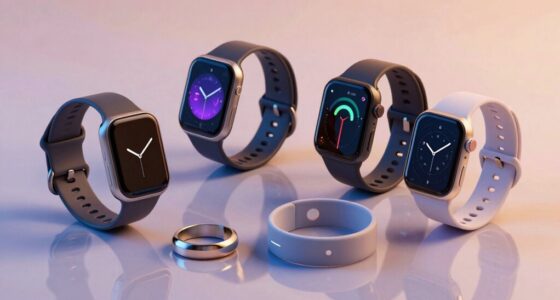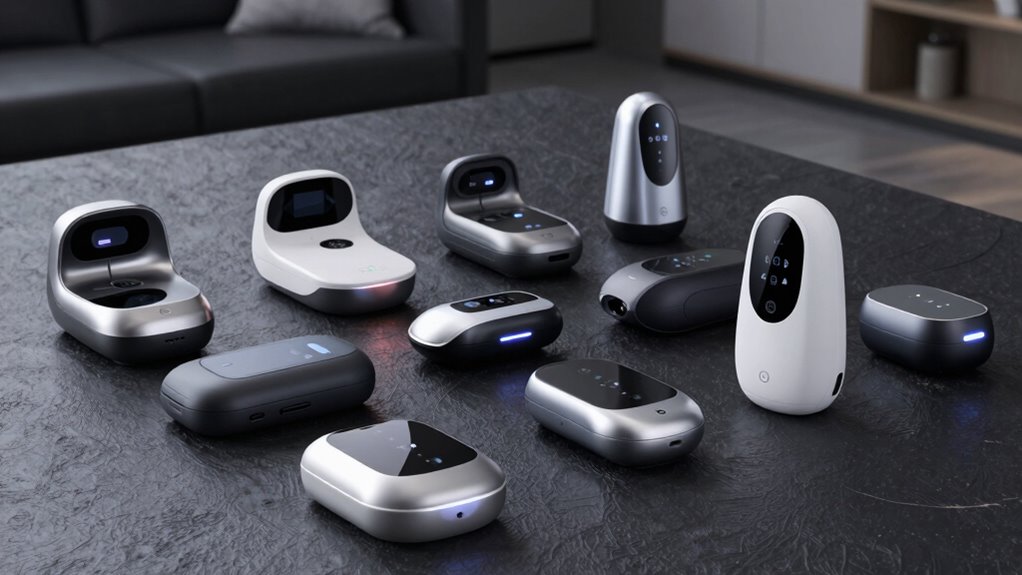

When it comes to understanding and improving sleep, having the right sleep quality analyzer device makes all the difference. The best overall pick, the Withings Sleep, combines reliable under-mattress tracking with detailed sleep cycle analysis, making it ideal for most users. For those seeking a wearable-free option, the OZI Smart Sleep Tracker offers contactless monitoring, though it may lack some detailed metrics. Tradeoffs in this category often revolve around accuracy versus convenience, and premium devices versus budget-friendly options. Continue reading to explore the top picks and find the best fit for your sleep needs.

Get wellness gear delivered free with Prime
- Fast, free delivery on millions of items
- Prime Video, Amazon Music and more included
- Member-only deals all year
Key Takeaways
- Accurate sleep tracking often requires either contactless sensors or wearables; mixed results are common depending on placement and user movement.
- Features like apnea detection, room condition monitoring, and recovery metrics significantly enhance sleep insights but come with higher costs.
- Non-wearable devices excel in convenience but may sacrifice some precision compared to wearable or bed-based monitors.
- The best devices balance ease of use, data depth, and affordability, with premium options offering more comprehensive insights.
- Device compatibility with apps and smart home integration can streamline sleep management but varies widely among models.




More Details on Our Top Picks
OZI Smart Sleep Tracker, Non-Wearable Contactless Under-Sheet Sleep Monitor
OZI stands out for pairing contactless sleep tracking with alerts that can notify a caregiver about bed exits, unusual movement, or changes in heart rate and breathing patterns. Its app reports sleep stages, heart rate, breathing rate, awake periods, time to fall asleep, and a nightly score, giving households more detail than a simple sleep-duration tracker. Compared with the Withings Sleep, OZI is positioned around family monitoring and alerts, while Withings adds snoring detection and smart-home integrations. OZI also avoids the nightly charging and body-worn feel of the Garmin Index Sleep Monitor. The tradeoff is that it needs to sit under the sheet, and the product details don’t specify mattress compatibility or sensor dimensions. It suits people seeking useful sleep visibility, not a clinical diagnosis.
Pros:- Tracks sleep stages, heart rate, breathing rate, movement, awake moments, and time to fall asleep
- Caregiver alerts cover bed exits, unusual movement, and changes in heart rate or breathing patterns
- Under-sheet design avoids a wearable and keeps a camera out of the room
- No monthly subscription is specified
Cons:- Needs to be positioned under the sheet, which may not suit every bed setup
- Product details don’t state mattress compatibility or sensor dimensions
- Does not list snoring detection or smart-home integrations
Best for: Caregivers or families who want overnight sleep trends and bed-exit or vital-pattern notifications without asking someone to wear a device
Not ideal for: Buyers who want snoring detection, smart-home integrations, or clearly stated mattress-fit requirements before choosing a sensor
- Sensor placement:Under the sheet
- Wearable required:No
- Sleep metrics:Sleep stages, duration, time to fall asleep, awake moments, and Sleep Score
- Additional tracking:Heart rate, breathing rate, and movement
- Alerts:Bed exits, unusual movement, and changes in heart rate or breathing patterns
- App:OZI app
- Intended users:Adults, children ages 5+, couples, and households
- Subscription:No monthly subscription
Our verdict“Choose OZI if caregiver-friendly alerts and contactless sleep tracking matter more than snore detection or smart-home links.”
Withings Sleep – Sleep Tracking Pad Under The Mattress With Sleep Cycle Analysis
The Withings Sleep is a strong fit for buyers who want a set-and-forget mattress sensor with sleep-cycle and snoring information. It tracks deep, light, and REM sleep, heart rate, breathing disturbances, and snoring, then syncs automatically to the Health Mate app over Wi-Fi. Compared with the OZI Smart Sleep Tracker, it specifically names snoring detection and offers IFTTT links for smart-home routines, while OZI is more explicit about caregiver alerts and bed exits. Its placement under the mattress also keeps the sensor out of the sheet area. That setup has a defined fit range—mattresses 4 to 15 inches thick—but makes it less portable than the bedside JadaIn. The app-based reports are useful for noticing patterns, though they should not be treated as a medical diagnosis.
Pros:- Tracks deep, light, and REM sleep alongside heart rate
- Includes snoring detection and breathing-disturbance tracking
- Wi-Fi syncs data automatically to the Health Mate app
- IFTTT integration can connect sleep routines with compatible smart-home actions
Cons:- Requires a mattress within the stated 4-to-15-inch thickness range
- Under-mattress placement is less convenient to move between rooms or beds
- Does not list caregiver bed-exit alerts like the OZI Smart Sleep Tracker
Best for: People who want automatic sleep tracking at home, especially those interested in snoring, breathing disturbances, and sleep-cycle patterns
Not ideal for: Frequent travelers or buyers with mattresses outside the stated 4-to-15-inch range
- Sensor placement:Under the mattress, between mattress and bed platform or box spring
- Mattress thickness:Tested with mattresses 4 to 15 inches thick
- Sleep metrics:Deep, light, and REM sleep
- Additional tracking:Snoring, breathing disturbances, and heart rate
- Data sync:Automatic Wi-Fi sync
- App:Health Mate
- Smart-home integration:IFTTT
- Setup:One-time setup
Our verdict“Pick Withings Sleep for a home-based mattress sensor that adds snoring and smart-home features to sleep-cycle tracking.”
Beautyrest Sleeptracker Monitor – Wearable-Free Sleep Tracker – Intuitive App and Alexa Enabled
The Beautyrest Sleeptracker earns its place for households where two people want separate sleep reports from the same bed. Its product details say it can monitor two sleepers independently and provide individualized reporting and coaching, a distinction from the Withings Sleep, which lists sleep and snoring data but not separate sleeper profiles. It also tracks respiration, heart rate, movement, and wakefulness, with a sleep-cycle alarm and Alexa integration for a more connected bedroom. Unlike the Garmin Index Sleep Monitor, it avoids wearing a band to bed. Its main tradeoffs are the need to power and place a sensor with the bed, and its stated purchase, service, and warranty availability is limited to the United States. Buyers should also check that its app and Alexa features fit their setup.
Pros:- Designed to monitor two sleepers independently and separate their reports
- Tracks respiration, heart rate, movement, and wakefulness
- Includes a sleep-cycle alarm intended to time waking around sleep patterns
- Alexa integration can connect sleep tracking with a compatible smart home
Cons:- Product and service availability is limited to the United States
- Requires a bed-based sensor rather than a portable bedside unit
- Alexa and app features may add setup requirements for buyers seeking a standalone tracker
Best for: Couples who share a bed and want separate sleep tracking and personalized reporting without wearing devices overnight
Not ideal for: Buyers outside the United States, or people who prefer an uncomplicated device without app or Alexa dependence
- Wearable required:No
- Sleeper tracking:Two sleepers monitored independently
- Health metrics:Respiration and heart rate
- Sleep behaviors:Body movement and wakefulness
- Sleep feature:Sleep-cycle alarm
- Smart-home compatibility:Alexa enabled
- Mattress compatibility:Described as compatible regardless of mattress, box spring, or bedding type
- Availability:Product, services, and warranty available in the United States
Our verdict“Choose Beautyrest if two people sharing a bed need distinct sleep reports and Alexa integration.”
AI Non Wearable Sleep Tracker, Sleep Inducing Light, AI Wake Up Light, Real Time Room Condition[T&H, Co2, Light], Sleep Analysis with App, Snoring/Apnea Detection, No Subscription.
, Sleep Analysis with App, Snoring/Apnea Detection, No Subscription.” image=”https://m.media-amazon.com/images/I/71jmlEYP5cL._AC_SX300_SY300_QL70_FMwebp_.jpg” link=”0″]Best Multifunction Bedside Tracker
View on AmazonJadaIn combines radar-based sleep tracking with a bedside light and room-condition readings, so it suits buyers who want more than overnight charts. The product description lists sleep stages, movement, snoring, apnea detection, and monitoring of temperature, humidity, CO2, and light; it also describes a wake light timed to a preferred sleep phase. Compared with the under-mattress Withings Sleep, JadaIn sits on a bedside table and is described as compact and portable, while Withings offers Wi-Fi syncing and IFTTT integration. Unlike the Garmin Index Sleep Monitor, JadaIn does not require wearing a band. The tradeoff is a bedside device and app-based setup, and apnea detection should be treated as a tracking feature rather than a diagnosis. The listed room readings may help explain environmental factors, but they do not replace medical assessment.
Pros:- Radar sensing tracks sleep without a wearable or physical contact
- Combines sleep analysis with a smart wake light
- Lists temperature, humidity, CO2, and light monitoring
- Compact design and app setup are suited to moving the device between rooms
Cons:- Must sit on a bedside table rather than operating as an under-mattress sensor
- Apnea detection is a consumer tracking feature, not a stated medical diagnosis
- Relies on the JadaSleep app for reports and setup
Best for: Travelers or bedroom tinkerers who want contactless sleep trends, room-condition readings, and a wake light in one bedside device
Not ideal for: Anyone seeking a medically diagnostic apnea test, or buyers who want a sensor hidden under the mattress
- Sensor technology:Radar sensing
- Placement:Bedside table
- Sleep analysis:Movement, sleep stages, snoring, and advertised apnea detection
- Room monitoring:Temperature, humidity, CO2, and light
- Wake feature:Smart light intended to wake during a preferred sleep phase
- App:JadaSleep app
- Dimensions:3.7 x 3.7 x 4.7 inches
- Battery:Lithium-ion
- Subscription:No subscription
Our verdict“Pick JadaIn if you want a portable bedside sleep tracker that also monitors room conditions and provides a wake light.”
Garmin Index Sleep Monitor Small/Medium Bundle
The Garmin Index Sleep Monitor makes the most sense for people who want Garmin Connect sleep and recovery data without wearing a watch overnight. Its upper-arm band tracks sleep stages, sleep score, breathing variation, and skin-temperature trends; the app can also connect those readings with compatible Garmin devices. A smart wake vibration adds a practical daily benefit beyond reviewing charts. Compared with the contactless OZI Smart Sleep Tracker, Garmin asks you to wear a device but offers body-temperature trends and a Garmin ecosystem link; compared with the Beautyrest Sleeptracker, it is designed for one wearer rather than independently tracking two people in a bed. The costs of that added body data are a snug upper-arm fit, periodic charging, and a size-specific band. This small/medium bundle is less suitable if you dislike wearing anything to sleep.
Pros:- Tracks sleep score and sleep stages while worn on the upper arm
- Adds breathing-variation and skin-temperature trends
- Syncs with Garmin Connect and compatible Garmin devices
- Up to seven nights of battery life and a machine-washable band
Cons:- Requires wearing an upper-arm band overnight
- Small/medium sizing may not fit every wearer
- Up to seven nights of battery life still means regular charging
Best for: Garmin users and health-conscious sleepers who want overnight recovery trends, skin-temperature context, and smart wake vibration
Not ideal for: People who want completely contactless tracking, or buyers whose upper-arm fit calls for the large/extra-large size
- Wear location:Upper arm
- Bundle size:Small/medium
- Sleep metrics:Sleep score and sleep stages
- Additional tracking:Breathing variations and skin-temperature changes
- Wake feature:Smart wake vibration
- Battery life:Up to 7 nights
- App:Garmin Connect
- Band care:Machine-washable
- Bundle accessories:USB wall charger adapter and microfiber cleaning cloth
Our verdict“Choose the Garmin Index Sleep Monitor if you already use Garmin Connect and are comfortable wearing a band overnight.”
Garmin Index Sleep Monitor (L/XL) – Smart Sleep Band with Advanced Sleep Tracking & Recovery Metrics, HRV, Skin Temperature & Women’s Health Tracking, Garmin Connect Compatible PowerBank
I’d rank this Garmin band highest for people who want sleep data connected to a broader health-tracking routine. Worn on the upper arm, it records estimated sleep stages, duration, sleep score and HRV; up to seven nights of battery life can also mean fewer charging interruptions. Skin temperature adds menstrual-cycle insights for users who want that specific context, while a vibrating smart alarm offers a quieter wake-up than a sound alarm. Unlike the KEULEN Smart Sleep Analyzer, this is a wearable, so arm fit and overnight comfort matter. Its strongest case is Garmin Connect integration, including syncing with a compatible daytime Garmin watch. The tradeoffs: metrics are estimates, Pulse Ox features vary by country, and it is not water resistant or a medical device.
Pros:- Tracks estimated sleep stages, duration, sleep score and HRV.
- Syncs with Garmin Connect, including compatible Garmin watches.
- Up to seven nights of battery life and a vibrating smart wake alarm.
- Skin-temperature insights support additional menstrual-cycle estimates.
Cons:- Upper-arm fit may bother people who prefer contactless sleep tracking.
- Sleep metrics are estimates and are not for medical use.
- Pulse Ox availability varies by country, and the band is not water resistant.
Best for: Garmin Connect users who want sleep and HRV metrics alongside daytime fitness data, or people who want skin-temperature-based menstrual-cycle insights.
Not ideal for: People who dislike wearing a band to bed, need a waterproof monitor, or want medical diagnosis or monitoring.
- Wear location:Upper arm
- Size:L/XL
- Sleep metrics:Sleep score, sleep stages, HRV and rest duration
- Additional tracking:Skin temperature and women’s health tracking
- Battery life:Up to 7 nights
- Battery capacity:300 mAh
- App compatibility:Garmin Connect; compatible with iOS and Android
- Band material:Fabric
Our verdict“Choose this if you already use Garmin Connect and want wearable sleep and recovery estimates; skip it if you want contactless tracking or clinical monitoring.”
Sleep Detection Pad, Vital Sign Health Monitoring Pad, Real-time Monitoring of Sleep Status, in-Bed or Out-of-Bed, Sleep Quality and Other Applications, Remote Care Monitoring System
This pad’s clearest role is tracking whether someone is in bed, rather than building a detailed personal sleep diary. Its non-contact sensing and rollable, lightweight form suit rooms where a wearable may be uncomfortable or impractical, including the hospital and bedroom settings named by the maker. The product also describes real-time sleep-status response and assistance with breathing tests, but the supplied details do not explain what data the test produces or how reports are viewed. That makes it harder to judge as a sleep-quality analyzer than the Garmin Index Sleep Monitor, which lists specific metrics such as HRV and sleep stages. I’d treat this as a more basic monitoring option, not a proven clinical tool: app support, battery life and detailed output specifications are not provided.
Pros:- Non-contact sensing avoids strapping a device to the sleeper.
- Tracks in-bed and out-of-bed status.
- Thin, lightweight and rollable for carrying or repositioning.
- Described for use in bedrooms, hospitals and offices.
Cons:- The supplied information does not specify an app, report format or connectivity.
- Breathing-test assistance is mentioned without explaining its measurements or output.
- No battery, dimensions or detailed sleep-stage metrics are listed.
Best for: Care settings or households that mainly need a lightweight, contactless way to monitor bed occupancy and sleep status.
Not ideal for: Sleep-data enthusiasts who want clearly specified sleep stages, HRV, an app-based report, or documented battery and connectivity details.
- Sensing method:Non-contact vital-sign collection
- Form:Thin, lightweight, rollable monitoring pad
- Sleep-status monitoring:Real-time response, as described by the manufacturer
- Bed status:In-bed and out-of-bed monitoring
- Breathing feature:Assisted breathing-test use
- Suggested settings:Hospitals, bedrooms and offices
Our verdict“Pick this for basic contactless bed-status monitoring, but choose a better-documented analyzer if detailed sleep trends are your priority.”
KEULEN Smart Sleep Analyzer, Sleep Monitor, Heart Rate Monitoring Sensor Strap, Non-Wearable Design
The KEULEN makes the most sense for buyers interested in what happens around sleep, not just a nightly score. It claims to record small body movements, turns, time to fall asleep and how often the sleeper leaves bed; heart-rate and breathing data feed its sleep analysis. Compared with the Sleep Detection Pad, it offers more clearly described sleep-stage reporting, including deep, light, REM and awake periods, plus HRV analysis and suggestions. The setup is described as non-wearable, though the package also lists a long microfiber-suede sleeping band, so buyers should check how that band fits their intended setup. The device is compact, but its app reporting and algorithm accuracy are not independently established, and the supplied details give no battery-runtime estimate.
Pros:- Tracks body movement, turns and bed exits.
- Reports estimated deep, light, REM and awake states.
- Includes heart-rate, breathing and HRV analysis.
- Compact main unit with iOS and Android compatibility.
Cons:- The non-wearable description sits alongside a listed sleeping band, leaving setup details unclear.
- The provided information does not establish the accuracy of its AI analysis or stage estimates.
- No battery runtime or detailed app-report examples are specified.
Best for: People who want movement, turning and bed-exit tracking alongside estimated sleep stages and heart-rate trends.
Not ideal for: Buyers who need validated clinical results, a clearly explained setup without a bed band, or long battery-runtime specifications.
- Main unit dimensions:72 × 72 × 12 mm
- Sleeping band dimensions:795 × 54 × 2 mm
- Materials:ABS main unit; microfiber-suede band
- Battery capacity:350 mAh
- Charging:USB charger
- Compatibility:iOS and Android
- Reported metrics:Heart rate, respiration, HRV, movement and bed exits
- Sleep analysis:Deep, light, REM and awake states
Our verdict“Consider this KEULEN if movement and bed-exit patterns matter most, but look elsewhere for transparent validation or clearly documented setup details.”
KEULEN Smart Sleep Analyzer, Sleeping Heart Rate Monitor, Sleep Analysis/Data Tracking/Optimize Sleep Quality, Smart Sleep Tracker, Heart Rate Monitoring Sensor Strap, Non-Wearable Design
This listing is a fit for people drawn to overnight heart-rate and HRV analysis, with reports that also classify deep, light, REM and awake periods. Its stated feature set includes breathing and movement monitoring, sleep planning and a smart alarm, giving the app several kinds of information to summarize. I would not treat it as a distinct upgrade over the KEULEN Smart Sleep Analyzer B0CRDY1RPS: the supplied descriptions share the same 72 × 72 × 12 mm unit, 350 mAh battery, band dimensions and tracking claims. That makes the choice less about a demonstrated hardware difference and more about confirming which listing and included setup you want. Like the other KEULEN, it has limited documentation on accuracy, runtime and report detail, so its broad analysis claims need a cautious read.
Pros:- Combines heart-rate, breathing and movement monitoring.
- Includes HRV analysis and estimated sleep-stage reporting.
- Lists sleep planning and a smart alarm among its functions.
- Works with iOS and Android and charges by USB.
Cons:- The supplied details closely match KEULEN B0CRDY1RPS, with no clear distinguishing feature.
- No independent accuracy information or validation is provided.
- Battery runtime and detailed report examples are not specified.
Best for: Buyers prioritizing HRV and estimated sleep-stage summaries who are comfortable with a lesser-documented analyzer.
Not ideal for: Shoppers expecting a clearly distinct model from KEULEN B0CRDY1RPS, or those who need published validation and battery-runtime details.
- Main unit dimensions:72 × 72 × 12 mm
- Sleeping band dimensions:795 × 54 × 2 mm
- Materials:ABS main unit; microfiber-suede band
- Battery capacity:350 mAh
- Charging:USB charger
- Compatibility:iOS and Android
- Reported metrics:Heart rate, respiration, HRV and body movement
- Sleep analysis:Deep, light, REM and awake states
Our verdict“Choose this listing for its stated HRV and stage-reporting functions only after checking that its setup matches your needs and that you do not expect a different analyzer from the other KEULEN.”
Non-Wearable Smart Sleep Tracker, Contactless Sleep Monitor Device
This bedside monitor is the most feature-rich contactless option in this group for people who want sleep trends without wearing a band. Its millimeter-wave radar tracks heart rate, breathing and movement, while the app is described as estimating deep, light and REM sleep and letting users log daily habits. Those notes can help connect routines with changing sleep patterns, though the data is labeled for personal reference and not medical use. Compared with the simpler Sleep Detection Pad, this device adds trend reports, reminders, family alerts, white noise and ambient lighting. That wider feature set also means more setup to weigh: it requires 2.4GHz Wi-Fi, and the maker warns that nearby movement or vibration can affect consistency. App support and the suggested accuracy are not independently detailed.
Pros:- Contactless radar tracks heart rate, breathing and body movement without a camera.
- App notes and trend reports help users compare sleep with daily routines.
- Includes bed-in/bed-out tracking and remote family alerts.
- White noise, ambient lighting and reminders add bedtime and routine tools.
Cons:- Requires a 2.4GHz Wi-Fi network.
- Nearby movement or vibration may interfere with consistent sleep data.
- The product is for general wellness, not medical use, and its measurement accuracy is not independently documented.
Best for: People who want a contactless home monitor with app-based sleep trends, routine notes and optional family alerts.
Not ideal for: People without 2.4GHz Wi-Fi, households with frequent motion near the bed, or anyone seeking a medical sleep assessment.
- Sensing method:Millimeter-wave radar
- Design:Non-wearable; no camera required
- Tracked signals:Heart rate, breathing patterns and body movement
- Sleep stages:Deep, light and REM estimates
- Wireless requirement:2.4GHz Wi-Fi
- App features:Daily notes, trend reports and lifestyle suggestions
- Additional functions:Bed-in/bed-out tracking, alerts, reminders, white noise and ambient lighting
- Intended use:General wellness; not for medical use
Our verdict“Choose this for contactless sleep trends and household reminders if your Wi-Fi and room setup suit it; skip it for clinical answers or a movement-heavy bedside area.”
Deep Sleep Device, Wearable Smart Health Tracking Technology, for Men & Women, Silver Blue
This wearable sleep device stands out for its effortless design and research-backed Bioboosti technology, supporting restful sleep without complex setup. Unlike the Garmin Index Sleep Monitor, which focuses on detailed sleep stages and recovery metrics, this device emphasizes ease of use and continuous wearability throughout the day. Its lightweight, skin-friendly materials make it ideal for those who want a discreet, comfortable experience without sacrificing ongoing sleep support. However, it lacks the detailed sleep analysis or data integration offered by more advanced monitors, meaning it’s less suited for users needing in-depth insights. The straightforward operation makes it perfect for sleep beginners or those who prefer minimal fuss, though it might not satisfy those seeking comprehensive sleep analytics.
Pros:- Lightweight and skin-friendly for all-day wear
- No complicated setup or manual syncing required
- Supports circadian rhythm with Day/Night modes
Cons:- Limited in-depth sleep analysis or recovery metrics
- Requires non-standard batteries that may be less convenient
Best for: Sleep newcomers or individuals seeking a non-intrusive, all-day wearable that supports circadian rhythm regulation.
Not ideal for: Advanced sleep enthusiasts or users wanting detailed sleep stage breakdowns and recovery data, as it offers limited analytical depth.
- Item Dimensions:4.84 x 4.84 x 2.05 inches
- Item Weight:2.84 ounces
- Sensor Type:Optical, Pulse Ox
- Battery Life:Average 7 days
- Material:Nylon
- Color:Silver Blue
Our verdict“This pick suits those who prioritize comfort and ease over detailed sleep analytics, making it ideal for sleep beginners or casual users.”
Garmin Index Sleep Monitor
The Garmin Index Sleep Monitor is ideal for users seeking comprehensive sleep data, including sleep stages, HRV, and recovery insights, thanks to its upper-arm, lightweight design. Compared with the Deep Sleep Device, which emphasizes comfort and simplicity, the Garmin provides more granular data, making it suitable for athletes or health-focused individuals. Its ability to seamlessly sync with Garmin devices and support detailed metrics like skin temperature and breathing variation offers a deeper understanding of sleep quality. The tradeoff is that it’s bulkier and may be less comfortable for those who dislike upper-arm wearables or prefer a more discreet device. Overall, this model makes the most sense for those already invested in Garmin’s ecosystem or wanting in-depth sleep analysis.
Pros:- Provides detailed sleep stages and recovery metrics
- Supports HRV, skin temperature, and breathing variation tracking
- Seamless sync with Garmin ecosystem
Cons:- Bulkier and less comfortable for long-term wear
- Requires wearing on the upper arm, which some may find inconvenient
Best for: Fitness enthusiasts and athletes who want detailed sleep, recovery, and wellness metrics integrated into their existing Garmin setup.
Not ideal for: Casual sleepers or users seeking a simple, non-intrusive device, as its upper-arm design is less discreet and more cumbersome.
- Item Dimensions:Not specified
- Item Weight:Not specified
- Sensor Type:Optical, Pulse Ox
- Battery Life:Up to 7 nights
- Compatible Devices:Smartphones, Garmin devices
- Color:White
Our verdict“This monitor is best for users who want detailed sleep insights and are comfortable with a slightly more intrusive device, especially those already using Garmin products.”
EMAY Sleep Breathing Monitor for Airflow Tracking | Record Breathing Continuously On the App | Monitor Sleep Quality and Respiratory Events | Generate Professional Sleep Report with Data Analysis
This device offers a unique focus on breathing airflow and respiratory events, making it the ideal choice for users concerned with sleep-related breathing issues. Unlike the Deep Sleep Device or Garmin monitors, which primarily track sleep stages or recovery, the EMAY Sleep Breathing Monitor provides detailed airflow analysis and instant app-based data. Its built-in sensors and real-time monitoring allow users to detect anomalies like apnea or snoring, though it is not intended for medical diagnosis. The lightweight, non-wearable probe can be comfortably worn during sleep, but it is limited to nasal breathing measurement and doesn’t record SpO2 or pulse rate. This makes it less suitable for those seeking comprehensive sleep health data but excellent for respiratory-specific concerns or sleep breathing pattern analysis.
Pros:- Accurate airflow and respiratory event detection
- Real-time app monitoring and professional report generation
- Lightweight and comfortable for nasal breathing
Cons:- Limited to nasal breathing—not suitable for mouth breathers
- Does not record SpO2 or Pulse Rate, limiting overall sleep health insights
Best for: Individuals focused on detecting breathing irregularities or respiratory events during sleep, especially those concerned with apnea or snoring issues.
Not ideal for: Users seeking overall sleep quality insights or comprehensive health data, as it concentrates solely on airflow and breathing patterns.
- Weight:10g
- Battery Life:10 hours continuous
- Sensor Type:Three sensors in a probe
- App Compatibility:Yes
- Design:Food-grade silicone mask
- Monitoring Focus:Airflow and respiratory events
Our verdict“This monitor is best for users specifically interested in respiratory patterns and breathing irregularities during sleep, rather than general sleep quality.”
EMAY SleepO2 Wrist Pulse Oximeter with Recording Capability | Sleep Pulse Oximeter for Continuous O2 Recording | Not for Medical Use
The EMAY SleepO2 Wrist Pulse Oximeter offers continuous SpO2 and pulse rate tracking, making it suitable for users wanting to monitor oxygen saturation overnight without a smartphone. Its built-in data storage supports up to 10 hours of recording, offering a portable solution for those concerned with oxygen levels during sleep, such as athletes or aviation enthusiasts. Compared to the Garmin Index Sleep Monitor, which tracks sleep stages and recovery, this device concentrates solely on oxygen saturation and pulse, providing targeted data for specific health concerns. Its lightweight design and rechargeable battery enhance portability, but it’s not intended for medical diagnosis or use as a standalone device for sleep health assessment. It’s best for users who need straightforward SpO2 and pulse data rather than comprehensive sleep analysis.
Pros:- Continuous SpO2 and Pulse Rate recording for up to 10 hours
- Lightweight and portable at only 20g
- No smartphone needed for data storage
Cons:- Not designed for medical diagnosis or comprehensive sleep analysis
- Limited to oxygen and pulse monitoring, lacking sleep stage data
Best for: Users interested in tracking oxygen saturation and pulse rate overnight, especially athletes or frequent travelers concerned with oxygen levels.
Not ideal for: Those wanting detailed sleep staging, recovery metrics, or holistic sleep health insights, as it focuses narrowly on SpO2 and pulse.
- Weight:20g
- Battery Life:10 hours
- Data Storage:Built-in
- Device Type:Wrist pulse oximeter
- Monitoring Focus:SpO2 and Pulse Rate
- Intended Use:Sports & Aviation
Our verdict“Ideal for oxygen saturation and pulse tracking, this device is best for users with specific SpO2 concerns rather than general sleep health monitoring.”
Garmin Index Sleep Monitor L/XL Size Bundle
This bundle combines the Garmin Index Sleep Monitor with a larger, more comfortable band, making it ideal for users who want detailed sleep and recovery insights without wearing a wristband. Its ability to monitor sleep score, stages, skin temperature, and breathing variation makes it a comprehensive choice for those seeking to understand overall sleep quality and wellness trends. Compared to the wearable Deep Sleep Device, which emphasizes comfort and simplicity, this Garmin bundle offers a more in-depth analysis suitable for health-conscious individuals and athletes. The main tradeoff is bulkiness; it’s less discreet than smaller trackers, which may be a drawback for some. Nonetheless, its seamless data sync and advanced metrics make it a top choice for serious sleep and health monitoring.
Pros:- Tracks sleep score, stages, and recovery metrics
- Monitors skin temperature and breathing variation
- Long battery life with seamless app sync
Cons:- Larger, less discreet than wrist-based monitors
- Requires upper-arm wear which might be less comfortable for some
Best for: Health-conscious individuals and athletes who want in-depth sleep and wellness metrics in a comfortable, upper-arm form factor.
Not ideal for: Casual sleepers or those preferring a discreet, wrist-based device, due to its size and arm-worn design.
- Item Type:Sleep Monitor Bundle
- Battery Life:Up to 7 nights
- Monitoring Metrics:Sleep score, stages, HRV, skin temp
- Size:L/XL
- Device Type:Upper arm
- Sync:Seamless with Garmin Connect
Our verdict“This bundle is best suited for users wanting detailed sleep insights and wellness data in a comfortable, upper-arm device, especially those already in the Garmin ecosystem.”

How We Picked
These sleep quality analyzer devices were evaluated based on several key criteria: measurement accuracy, ease of setup and use, build quality, and the richness of data provided. Devices that offer comprehensive insights, such as sleep stages, heart rate, and respiratory metrics, were prioritized. We also considered factors like affordability, compatibility with smartphones and smart home systems, and whether the device is contactless or requires wearables. Our ranking reflects a balance between performance and user convenience, aiming to recommend options suitable for different needs and budgets.Factors to Consider When Choosing Sleep Quality Analyzer Devices
Choosing the right sleep quality analyzer device involves weighing several important factors. Beyond basic accuracy, consider how easy it is to set up and whether it fits seamlessly into your lifestyle. Features like apnea detection, environmental monitoring, and recovery metrics can provide deeper insights but may also increase the price. Compatibility with existing apps and smart home systems can enhance usability. Lastly, reflect on whether you prefer contactless sensors or wearable options, as each has distinct advantages and tradeoffs.Accuracy and Data Depth
Accurate sleep tracking is essential for meaningful insights. Devices that combine multiple sensors—such as movement, heart rate, and breathing—tend to provide more reliable data. Bed-based monitors often excel in sleep stage detection, while contactless sensors can be affected by user movement or placement issues. Consider whether you need detailed metrics like sleep cycles, HRV, or apnea detection, which are more common in higher-end models.
Ease of Use and Setup
Simplicity matters, especially if you plan to use the device nightly. Wearable devices require comfort and consistent wear, which can be a hassle for some users. Contactless or under-mattress options offer a hands-free experience but might need proper placement or calibration. Devices with intuitive apps and straightforward setup are preferable for those new to sleep tracking, while more advanced users may tolerate a steeper learning curve for richer data.
Features and Environmental Monitoring
Additional features like room temperature, humidity, CO2 levels, or snoring detection can significantly enrich sleep analysis. These environmental factors impact sleep quality and are worth considering if you suspect external influences. Premium devices often include these sensors, providing a more comprehensive picture. However, such features usually come with a higher price tag and increased complexity.
Compatibility and Integration
Check whether the device integrates seamlessly with your smartphone, smart home system, or health apps. Compatibility can make data review easier and enable automation, such as adjusting room conditions based on sleep quality. Some devices offer detailed reports and long-term trend analysis, which can be invaluable for tracking progress over time. Compatibility issues, however, may limit functionality or require additional apps and subscriptions.
Cost and Value
Prices vary widely, from simple contactless sensors to advanced bed-based monitors with multiple sensors. Consider your budget and whether the added features justify the cost. Cheaper devices might lack depth or accuracy, but still provide useful general insights. Premium models tend to deliver more precise data and additional features, making them suitable for serious sleep health enthusiasts or medical monitoring—though they come at a higher price.
Frequently Asked Questions
Can sleep quality analyzer devices detect sleep apnea?
Some advanced sleep trackers include apnea detection features by monitoring breathing patterns and airflow, offering valuable insights for suspected sleep apnea. However, they are not substitutes for medical-grade sleep studies and may not identify all cases accurately. If you suspect sleep apnea, a dedicated sleep study conducted by a healthcare professional remains the most reliable option. Using these devices can still help you gather initial data and identify patterns that warrant medical attention.
Are contactless sleep monitors as accurate as wearable devices?
Contactless monitors generally offer convenience but can sometimes lag in accuracy compared to wearables, especially if user movement or placement affects sensor contact. Bed-based sensors tend to excel in tracking sleep stages and duration, while wearables often provide more detailed metrics like HRV and oxygen levels. Your choice depends on whether you prioritize ease of use or precision, and in many cases, a combination of both provides the best overall picture.
How important is app compatibility for sleep devices?
App compatibility is vital for a seamless experience, enabling easy access to sleep data, trend analysis, and personalized recommendations. A well-designed app can also alert you to issues like snoring or irregular breathing patterns, and some integrate with smart home devices to optimize your environment. Compatibility issues can lead to frustration or data loss, so choosing a device with a proven, user-friendly app ecosystem adds significant value.
Should I prioritize advanced features or simplicity when choosing?
This depends on your goals and technical comfort. If you’re new to sleep tracking, a simple, easy-to-use device that provides basic insights might be best. More advanced users or those with specific health concerns may prefer devices with detailed metrics, environmental sensors, and customization options. Balancing features with ease of use helps ensure consistent, meaningful tracking without becoming overwhelming.
Are wearable sleep trackers suitable for all-night monitoring?
Wearable trackers are generally designed for overnight use and can provide detailed insights into sleep stages and heart rate. However, some users find wearing a device uncomfortable or disruptive, especially if they move frequently during sleep. Battery life, comfort, and skin sensitivity are factors to consider. If you prefer a non-intrusive approach, contactless or bed-based monitors might be better suited, though they may sacrifice some accuracy.
Conclusion
For most users seeking comprehensive sleep insights, the Withings Sleep offers a compelling balance of accuracy and convenience, making it the best overall choice. Budget-conscious buyers or those new to sleep tracking may find the OZI Smart Sleep Tracker or non-wearable options sufficient for basic monitoring. If you’re willing to invest in premium features like apnea detection, environmental sensors, and advanced analytics, higher-end models like the Garmin Index series stand out. Beginners or casual trackers should prioritize ease of use, while those with specific health concerns should look for devices with detailed metrics and medical-grade validation. Ultimately, choosing the right device depends on your sleep goals, budget, and preferred level of detail.