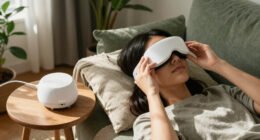
For those seeking to monitor their sleep quality and reduce snoring disruptions, sleep trackers with snore detection offer valuable insights. The Garmin Index Sleep Monitor stands out for its comprehensive sleep analysis, while the Withings Sleep Pad is a top choice for unobtrusive tracking under your mattress. However, many options struggle with balancing accuracy, ease of use, and affordability. Some devices focus on detailed breathing analysis, but may require more setup or cost. Continue reading for a detailed comparison to find the best fit for your sleep goals.

Get wellness gear delivered free with Prime
- Fast, free delivery on millions of items
- Prime Video, Amazon Music and more included
- Member-only deals all year
Key Takeaways
- The most accurate snore detection often comes from wearable devices that combine movement and sound analysis.
- Non-wearable options excel in convenience but may sacrifice some detail in snore tracking compared to dedicated wearables.
- Higher-priced models generally offer better integration with sleep coaching and detailed breathing analysis.
- Ease of setup and comfort are key factors that influence whether a device will be used consistently.
- Tradeoffs between cost, accuracy, and convenience are common, so identifying your primary sleep concern helps narrow choices.
| Garmin Index Sleep Monitor |  | Best Overall for Detailed Sleep and Health Metrics | Physical size: 12.8″ x 2.5″ x 0.02″ | Battery life: Up to 7 nights | Features: Sleep tracking, HRV, sleep stages, breathing variations, women’s health tracking, smart wake alarm | VIEW ON AMAZON | See Our Full Breakdown |
| Fitness Tracker for Men and Women with Heart Rate, Blood Pressure, Sleep Monitoring, IP68 Water Resistance, and Dual Bands |  | Best Value for Multi-Functionality and Long Battery Life | Workout Modes: Over 170 | Health Monitoring: Heart rate, blood pressure, blood oxygen, HRV, stress | Sleep Tracking: Yes, with sleep stages and nap analysis | VIEW ON AMAZON | See Our Full Breakdown |
| Non-Wearable Smart Sleep Tracker, Contactless Sleep Monitor Device |  | Best for Comfort and Privacy in Contactless Monitoring | Technology: Millimeter-wave radar | Connectivity: Wi-Fi 2.4GHz | Features: Heart rate, breathing patterns, sleep stages, long-term trend tracking, ambient lighting | VIEW ON AMAZON | See Our Full Breakdown |
| EMAY Sleep Breathing Monitor for Airflow Tracking |  | Best for Respiratory Focus and Real-Time Data | Sensor Type: Built-in three sensors | Material: Food-grade silicone | Weight: 10g | VIEW ON AMAZON | See Our Full Breakdown |
| Anti Snoring Device – Smart Sleep Apnea Relief Tool |  | Best for Snore Reduction and Sleep Apnea Support | Technology: Micro-Stimulation | Power Source: NiMH Battery | Portability: Compact & Ergonomic | VIEW ON AMAZON | See Our Full Breakdown |
| AI Non Wearable Sleep Tracker with Sleep Inducing Light and Room Condition Monitoring |  | Best Overall Non-Wearable Contactless Sleep Tracker | Technology: Radar-sensing | Features: Sleep analysis, snoring detection, room condition monitoring, sleep phase wake-up | Warranty: 1 year | VIEW ON AMAZON | See Our Full Breakdown |
| Sleep Wearing Watch, Anti Snoring Wristband Device with Bionic Detection Technology |  | Best Wearable Anti-Snoring Solution | Technology: Bionic Detection | Adjustability: Yes | Material: Breathable, Safe | VIEW ON AMAZON | See Our Full Breakdown |
| Withings Sleep – Under Mattress Sleep Tracking Pad with Sleep Cycle Analysis |  | Best Under-Mattress Sleep and Snore Monitoring | Type: Sleep tracking pad | Placement: Under mattress | Features: Sleep cycle analysis, snoring detection, heart rate monitoring | VIEW ON AMAZON | See Our Full Breakdown |
| sleep trackers with snore detection | Features | Technology |
|---|---|---|
| Garmin Index Sleep Monitor | Sleep tracking, HRV, sleep stages, breathing variations, women’s health tracking, smart wake alarm | — |
| Fitness Tracker for Men and Wo | — | — |
| Non-Wearable Smart Sleep Track | Heart rate, breathing patterns, sleep stages, long-term trend tracking, ambient lighting | Millimeter-wave radar |
| EMAY Sleep Breathing Monitor f | — | — |
| Anti Snoring Device | — | Micro-Stimulation |
| AI Non Wearable Sleep Tracker | Sleep analysis, snoring detection, room condition monitoring, sleep phase wake-up | Radar-sensing |
| Sleep Wearing Watch | — | Bionic Detection |
| Withings Sleep | Sleep cycle analysis, snoring detection, heart rate monitoring | — |
More Details on Our Top Picks
Garmin Index Sleep Monitor
The Garmin Index Sleep Monitor stands out for its comprehensive sleep analysis combined with advanced health metrics like HRV and breathing variations, making it ideal for users who want a detailed picture of their sleep quality. Compared with the contactless Non-Wearable Smart Sleep Tracker, this device provides more precise data through wearable sensors, though it doesn’t offer the same contactless convenience. Its long battery life of up to 7 nights minimizes charging interruptions, and the seamless sync with Garmin Connect makes it easy to track long-term trends. However, it’s not a medical device, so its estimates might lack clinical accuracy, and some features like breathing variation tracking depend on additional sensors that aren’t universally available. This pick is best for serious sleepers who want detailed insights without sacrificing convenience.
Pros:- Accurate sleep and health tracking with advanced metrics
- Long battery life of up to 7 nights
- Seamless data sync with Garmin Connect app
Cons:- Not a medical device, data is an estimation
- Breathing variations feature requires Pulse Ox, not available everywhere
- Women’s health features are not intended for medical diagnosis
Best for: Sleep enthusiasts and health-conscious users seeking comprehensive, multi-metric sleep analysis.
Not ideal for: Individuals preferring contactless, non-wear solutions or medical-grade diagnostics.
- Physical size:12.8″ x 2.5″ x 0.02″
- Battery life:Up to 7 nights
- Features:Sleep tracking, HRV, sleep stages, breathing variations, women’s health tracking, smart wake alarm
Our verdict“This device is perfect for those who want detailed sleep insights combined with health metrics and don’t mind wearing a band.”
Fitness Tracker for Men and Women with Heart Rate, Blood Pressure, Sleep Monitoring, IP68 Water Resistance, and Dual Bands
This fitness tracker offers a broad range of health monitoring features, including sleep stages, heart rate, and blood pressure, making it a versatile choice for active users. Unlike the Garmin Index, it omits detailed health metrics like HRV or breathing variations, but compensates with an impressive 20-30 days of battery life and a stylish, durable design. Its minimalist, screenless interface might be less convenient for quick data checks compared to the Garmin, and it relies on your smartphone for detailed insights, which could be a downside for those seeking standalone devices. The device excels for users who prioritize long-term health tracking without frequent charging, but it’s less suited for those wanting detailed sleep or snore detection features. This pick makes sense for active users who want a long-lasting, comprehensive fitness tracker at a lower price point.
Pros:- Comprehensive health and fitness tracking features
- Long battery life of 20-30 days
- Stylish, durable design with dual straps
- Water-resistant for daily use
Cons:- Minimalist screenless design limits quick data access
- No built-in GPS
- Requires smartphone for detailed insights
Best for: Active individuals needing a durable, long-lasting sleep and health monitor with essential features.
Not ideal for: Users seeking detailed sleep quality analysis or snore detection without reliance on a smartphone app.
- Workout Modes:Over 170
- Health Monitoring:Heart rate, blood pressure, blood oxygen, HRV, stress
- Sleep Tracking:Yes, with sleep stages and nap analysis
- Water Resistance:IP68
- Battery Life:20-30 days
- Compatibility:Android 5.0+/iOS 10.0+
Our verdict“Ideal for active users who need a reliable, long-lasting health tracker with basic sleep monitoring capabilities.”
Non-Wearable Smart Sleep Tracker, Contactless Sleep Monitor Device
The contactless Non-Wearable Smart Sleep Tracker leverages radar technology to monitor sleep, breathing, and heart rate without any physical contact, making it a comfortable option for light sleepers or those averse to wearing devices. Compared to Garmin’s wearable, it offers a non-intrusive experience and supports long-term trend analysis, ideal for family monitoring. Its ability to track sleep stages and breathing patterns provides valuable insights, though it’s not for medical diagnosis. The reliance on Wi-Fi limits placement options, and stability varies with network quality. For those prioritizing privacy and comfort over detailed health metrics, this device offers a compelling solution, but users should be aware of its non-clinical nature. This is best suited for wellness-conscious individuals who prefer contactless sleep tracking.
Pros:- Non-contact, comfortable sleep monitoring
- Provides detailed sleep and wellness reports
- Supports long-term trend analysis
- Includes features like white noise and ambient lighting
Cons:- Not intended for medical diagnosis
- Requires stable Wi-Fi connection
- Limited to 2.4GHz Wi-Fi networks
Best for: Individuals seeking a comfortable, private sleep tracker that doesn’t require wearing anything overnight.
Not ideal for: Users needing medical-grade diagnostics or device compatibility outside 2.4GHz Wi-Fi networks.
- Technology:Millimeter-wave radar
- Connectivity:Wi-Fi 2.4GHz
- Features:Heart rate, breathing patterns, sleep stages, long-term trend tracking, ambient lighting
Our verdict“Best for those wanting a non-intrusive, privacy-focused sleep tracker with long-term trend capabilities.”
EMAY Sleep Breathing Monitor for Airflow Tracking
The EMAY Sleep Breathing Monitor specializes in airflow analysis, using built-in sensors and a silicone nasal mask to track respiratory events with high accuracy. Compared to Garmin and the contactless radar, it provides more precise airflow data but is limited to nasal breathing, making it less suitable for mouth breathers. Its real-time data and professional sleep reports are valuable for those with respiratory concerns, yet it lacks SpO2 and pulse rate measurement, which can limit the scope of sleep health assessment. Its lightweight design and travel-friendly form factor make it convenient for home or on-the-go monitoring, though it requires a dedicated nasal mask, which may feel intrusive for some. This device makes the most sense for users focused on nasal airflow and respiratory health during sleep.
Pros:- Accurate airflow measurement with built-in sensors
- Real-time monitoring and professional reports
- Lightweight, travel-friendly design
Cons:- Limited to nasal breathing; unsuitable for mouth breathers
- Cannot be used with C-PAP masks simultaneously
- Does not record SpO2 or pulse rate
Best for: Individuals with respiratory issues or sleep apnea who want detailed airflow data.
Not ideal for: Mouth breathers or those seeking comprehensive sleep health metrics like SpO2 and pulse rate.
- Sensor Type:Built-in three sensors
- Material:Food-grade silicone
- Weight:10g
- Monitoring Focus:Nasal breathing
- App Compatibility:Yes
Our verdict“Ideal for users specifically focused on nasal airflow and respiratory patterns during sleep.”
Anti Snoring Device – Smart Sleep Apnea Relief Tool
The Anti Snoring Device employs micro-stimulation technology to gently tone throat muscles, helping reduce snoring and sleep apnea symptoms. Compared with the EMAY airflow monitor, this device targets muscular relaxation directly, potentially offering a more effective solution for airway obstructions. Its auto-adjusting feature tailors stimulation to your sleep patterns, which can be highly effective but also introduces variability in results—some users may find it less comfortable or effective. Its portability and long-lasting battery make it suitable for travel, though effectiveness varies widely and some may experience discomfort. For those with mild to moderate snoring, this device offers a non-invasive alternative to more cumbersome interventions, but it’s not a guaranteed fix for everyone. This device suits users seeking a portable, automatic solution to snoring and mild sleep apnea.
Pros:- Reduces snoring and sleep apnea symptoms
- Portable, lightweight, travel-ready
- Auto-adjusts to sleep patterns
Cons:- Variable effectiveness across users
- Requires regular charging and maintenance
- Potential discomfort for some users
Best for: People with mild to moderate snoring or sleep apnea who want a portable, automated device.
Not ideal for: Severe sleep apnea sufferers or those sensitive to micro-stimulation discomfort.
- Technology:Micro-Stimulation
- Power Source:NiMH Battery
- Portability:Compact & Ergonomic
- Auto-Adjustment:Yes
Our verdict“Best suited for users seeking a convenient, automatic device to reduce snoring in mild to moderate cases.”
AI Non Wearable Sleep Tracker with Sleep Inducing Light and Room Condition Monitoring
This device stands out for its radar-sensing technology that offers a truly contactless way to monitor sleep quality, snoring, and room conditions. Unlike the Withings Sleep pad, which needs to be placed under the mattress, this tracker is portable and can be moved easily, making it ideal for travelers. Its integrated sleep-inducing light and room monitoring provide a holistic approach to improving sleep environment, but some users report inconsistent accuracy, which could be frustrating if you’re seeking precise data. The app delivers detailed insights without subscription fees, a plus compared to other options that lock features behind paywalls. However, the mixed reviews on accuracy highlight that it may not satisfy everyone, especially those needing highly reliable snore detection or apnea alerts.
Pros:- Contactless radar technology for easy, non-intrusive monitoring
- Includes sleep inducing light and room condition tracking
- Detailed insights available via free app
Cons:- Mixed reviews indicate inconsistent accuracy in snore detection
- Limited customer ratings suggest uncertain reliability
Best for: Tech-savvy sleepers who want a contactless, comprehensive sleep analysis without wearing a device.
Not ideal for: Users seeking highly accurate snore detection or medical-grade sleep data, due to mixed accuracy reports.
- Technology:Radar-sensing
- Features:Sleep analysis, snoring detection, room condition monitoring, sleep phase wake-up
- Warranty:1 year
- Included Components:Quick Start Guide
Our verdict“This tracker suits those who prefer a contactless, multi-faceted sleep environment monitor over pinpoint precision.”
Sleep Wearing Watch, Anti Snoring Wristband Device with Bionic Detection Technology
Compared with the non-wearable options, this wristband makes snore detection and sleep position correction easily accessible. Its biosensor technology gently stimulates the wrist to encourage better sleep postures, which can reduce snoring over time. The adjustable and breathable design enhances comfort, making it suitable for all-night wear, especially for restless sleepers or those who dislike devices under the mattress like Withings Sleep. However, the effectiveness depends on regular use, and some users might find the electrical stimulation uncomfortable. Its limited technical specifications mean it doesn’t provide as much sleep detail as the Withings pad, but it excels in offering a portable, non-intrusive snore reduction method.
Pros:- Non-invasive, safe, and wearable like a watch
- Adjustable, breathable, and portable for travel
- Effective in reducing snoring through gentle stimulation
Cons:- Requires consistent use for noticeable results
- Electrical stimulation might be uncomfortable for some users
Best for: Individuals who want a non-invasive, wearable device to actively reduce snoring and improve sleep posture.
Not ideal for: Sleepers sensitive to electrical stimulation or those seeking detailed sleep cycle data, as it mainly targets snoring and position correction.
- Technology:Bionic Detection
- Adjustability:Yes
- Material:Breathable, Safe
- Use Cases:Travel, Office, Home
Our verdict“This wristband is best for snorers seeking a discreet, wearable tool to actively improve sleep quality through position correction.”
Withings Sleep – Under Mattress Sleep Tracking Pad with Sleep Cycle Analysis
This under-mattress sensor offers a discreet way to track sleep stages, snoring, and heart rate, providing a broad picture of sleep health. Unlike the contactless radar device, it remains hidden under your mattress, making it ideal for those who prefer minimal setup or have concerns about device placement on or near the bed. The detailed sleep cycle analysis can reveal patterns you might miss with simpler trackers, and its ability to monitor cardiovascular metrics adds a health dimension. However, it may not suit beds with adjustable bases or non-standard sizes, and it lacks real-time alerts or integration options, which could limit its responsiveness for severe sleep issues. Compared to the other two, it offers a more passive, less intrusive experience, but at the cost of some flexibility.
Pros:- Discreet, under-mattress design for unobtrusive use
- Provides detailed sleep cycle and snoring analysis
- Includes heart rate monitoring for comprehensive health insights
Cons:- Placement under the mattress may not suit all bed types
- Limited data sharing and no real-time alerts
Best for: Sleepers who prioritize unobtrusive monitoring and detailed sleep cycle insights without wearing a device.
Not ideal for: Users with non-standard beds or those needing real-time alerts and advanced integration features.
- Type:Sleep tracking pad
- Placement:Under mattress
- Features:Sleep cycle analysis, snoring detection, heart rate monitoring
Our verdict“Ideal for those who prefer passive, detailed sleep tracking with a health focus, rather than real-time feedback.”

How We Picked
Products were selected based on their ability to detect snoring accurately, user-friendliness, build quality, and overall value. Priority was given to devices with proven sleep and snore tracking features, while also considering ease of setup and integration with health apps. We ranked them by assessing the clarity of data, comfort during use, and how well they balance cost with feature set. Devices offering comprehensive sleep analysis and reliable snore detection scored higher, while those with niche or limited capabilities ranked lower. Our goal was to identify options suitable for different needs, from casual sleepers to sleep health enthusiasts.| sleep trackers with snore detection | Features | Technology |
|---|---|---|
| Garmin Index Sleep Monitor | Sleep tracking, HRV, sleep stages, breathing variations, women’s health tracking, smart wake alarm | — |
| Fitness Tracker for Men and Wo | — | — |
| Non-Wearable Smart Sleep Track | Heart rate, breathing patterns, sleep stages, long-term trend tracking, ambient lighting | Millimeter-wave radar |
| EMAY Sleep Breathing Monitor f | — | — |
| Anti Snoring Device | — | Micro-Stimulation |
| AI Non Wearable Sleep Tracker | Sleep analysis, snoring detection, room condition monitoring, sleep phase wake-up | Radar-sensing |
| Sleep Wearing Watch | — | Bionic Detection |
| Withings Sleep | Sleep cycle analysis, snoring detection, heart rate monitoring | — |
Factors to Consider When Choosing Sleep Trackers With Snore Detection
Selecting the right sleep tracker with snore detection depends on your specific sleep concerns and preferences. Key factors include accuracy of snore detection, ease of use, comfort, and how the device integrates into your sleep routine. Understanding these factors helps avoid common pitfalls such as overpaying for unnecessary features or choosing devices that don’t fit your sleeping environment. The right choice enhances your sleep insights and encourages consistent use, ultimately improving sleep quality.Accuracy of Snore Detection
Not all devices detect snoring with equal precision. Wearable trackers that combine sound analysis with movement sensors tend to be more reliable than contactless options, which may miss subtle sounds or be affected by environmental noise. Look for products with proven algorithms or user reviews that confirm consistent detection. Remember, higher accuracy often comes with increased cost or complexity, so weigh this against your primary goal of reducing snoring.
Ease of Use and Comfort
If a device is uncomfortable or difficult to set up, it’s less likely you’ll use it nightly. Wearables like smartwatches or wristbands should be lightweight and non-intrusive. Contactless options, such as under-mattress pads, offer convenience but require proper placement and may not be suitable for all sleeping environments. Prioritize comfort and simplicity to ensure consistent tracking without disrupting your sleep routine.
Type of Device and Setup
Deciding between wearable and non-wearable devices depends on your preference for convenience versus detailed data. Wearables provide real-time feedback and often include additional health metrics, but may require charging and regular wear. Contactless sensors are easy to set up but might lack depth in analysis. Consider your tech comfort level and whether you prefer a device you wear or one that sits passively in your environment.
Integration and Data Insights
Choosing a device that syncs with your smartphone or health app can significantly enhance your understanding of sleep patterns. Look for options that offer detailed reports, sleep stage analysis, and snore pattern tracking. Some devices also provide actionable suggestions to improve sleep quality. Compatibility with your existing health ecosystem can make ongoing monitoring more seamless and motivating.
Price and Value
Higher prices typically correlate with more advanced sensors and detailed insights, but budget options can still provide basic snore detection. Be cautious of overly cheap models that lack accuracy or reliability. Consider what features are essential for your goals and whether a higher investment will yield meaningful benefits. Sometimes, spending more upfront on a reputable brand can save frustration and provide better long-term value.
Frequently Asked Questions
How accurate are sleep trackers with snore detection?
The accuracy varies across devices, with wearable options generally providing more reliable detection due to their ability to capture both sound and movement. Contactless models tend to be less precise but are easier to use and less obtrusive. Reading user reviews and seeking devices with proven algorithms can help identify the most dependable options. Keep in mind that no tracker is 100% perfect, so use the data as a helpful guide rather than an absolute measure.
Can sleep trackers with snore detection help reduce my snoring?
While these devices primarily monitor and record snoring patterns, some offer insights or suggestions that can aid in reducing snoring over time. For example, tracking sleep quality and identifying triggers may lead to lifestyle or positional adjustments. However, they are not replacement for medical treatment if snoring is severe or linked to sleep apnea. Consistent use combined with medical advice can be more effective in managing snoring issues.
Are contactless sleep trackers as effective as wearable ones?
Contactless models offer the advantage of convenience and minimal disruption but often lag behind wearables in detection accuracy. They work well for general sleep monitoring but may miss subtle snoring sounds or breathing irregularities. If precise snore detection is your priority, a wearable device with dedicated sensors might be a better choice, though it requires more commitment in terms of wearability and maintenance.
What features should I look for besides snore detection?
Beyond snore detection, consider features like sleep stage analysis, heart rate monitoring, breathing pattern tracking, and smart alarm functions. These add context to your sleep data and can help identify underlying issues affecting your sleep quality. Compatibility with health apps and easy data visualization are also valuable, making it easier to track progress and implement changes based on insights.
How much should I expect to spend on a good sleep tracker with snore detection?
Prices range widely, from budget-friendly options around $50 to premium devices exceeding $200. Generally, more expensive models offer better accuracy, additional health metrics, and more comprehensive insights. If snore detection is a key feature, investing in a reputable brand can be worthwhile, but ensure that the device’s capabilities match your specific needs. Balance your budget with the level of detail and reliability you require for effective sleep monitoring.
Conclusion
For casual sleepers seeking basic snore detection, a contactless under-mattress pad like the Withings Sleep provides a simple, unobtrusive option. Those wanting detailed insights and additional health metrics might prefer the Garmin Index Sleep Monitor or wearable devices that track movement and sound. If you’re focused on reducing snoring as part of a broader sleep improvement plan, investing in a premium model with advanced analytics can pay off. Beginners should prioritize comfort and ease of use, while sleep health enthusiasts may benefit from more comprehensive, multi-feature solutions. Ultimately, your choice depends on your specific sleep concerns, budget, and how much data you want to track daily.
Fall Picks
fall essentials
As an affiliate, we earn on qualifying purchases.