
Your ideal sleep depends on your age, as needs change over your lifetime. Infants need 14-17 hours, kids 9-12, teens 8-10, adults 7-9, and seniors 7-8 hours a night. Getting enough restful sleep supports memory, growth, and overall health. Maintaining good sleep habits and understanding normal changes can improve your rest. Keep exploring to find out how to optimize your sleep at every stage of life.
Key Takeaways
- Sleep needs vary by age, with infants requiring 14-17 hours and adults needing 7-9 hours daily.
- Older adults may sleep less or experience fragmented sleep, adjusting their routines accordingly.
- Adolescents need about 8-10 hours, but social and academic pressures can disrupt their sleep.
- Proper sleep cycles, including REM and deep sleep, are vital across all ages for health and well-being.
- Maintaining good sleep hygiene enhances sleep quality, regardless of age, supporting restorative rest.

Getting enough sleep is essential for your health, but how much you actually need varies from person to person. Your body relies on proper sleep cycles to function efficiently, cycling through different stages like light sleep, deep sleep, and REM sleep. Each cycle lasts about 90 minutes, and completing several of these cycles each night helps your body repair tissues, consolidate memories, and regulate emotions. If your sleep is fragmented or disrupted, it can throw off these cycles, leaving you feeling tired and less alert the next day. That’s why practicing good sleep hygiene is vital. Sleep hygiene refers to habits that promote restful sleep, such as maintaining a consistent sleep schedule, creating a comfortable sleep environment, limiting screen time before bed, and avoiding caffeine late in the day. When you prioritize sleep hygiene, you help your body enter and stay in those restorative sleep stages, making your sleep more effective and invigorating. Additionally, choosing the right sleep environment, including a comfortable mattress and appropriate room temperature, can significantly improve sleep quality.
Your sleep needs also change as you age, and understanding these shifts can help you tailor your habits for better rest. For infants, around 14 to 17 hours of sleep per day is typical, often broken into naps, because their developing brains require considerable rest. As a child, you might need about 9 to 12 hours, especially since growth spurts and learning demand increased rest. During adolescence, sleep needs slightly decrease to around 8 to 10 hours, but teens often struggle with staying on a consistent schedule due to social and academic pressures. Adults generally need 7 to 9 hours, but individual requirements can vary based on your health, activity level, and stress. As you age into your senior years, sleep patterns tend to change again—many older adults find it harder to stay asleep through the night and may need slightly less sleep, around 7 to 8 hours, though the quality of sleep often diminishes.
Knowing these age-related shifts can help you recognize what’s normal for your stage of life and adjust your routines accordingly. If you’re not getting enough sleep or your sleep is poor quality, it’s worth examining your sleep hygiene and making changes. For example, establishing a consistent bedtime, avoiding stimulants before bed, and creating a dark, quiet environment can substantially improve your sleep cycles. Remember, sleep isn’t just about quantity; it’s about quality. When you enhance your sleep hygiene and understand your changing needs, you give your body the best chance to rest, recover, and perform at its best every day. Ensuring your environment minimizes disturbances and promotes optimal sleep quality will make a noticeable difference in how restorative your sleep feels.
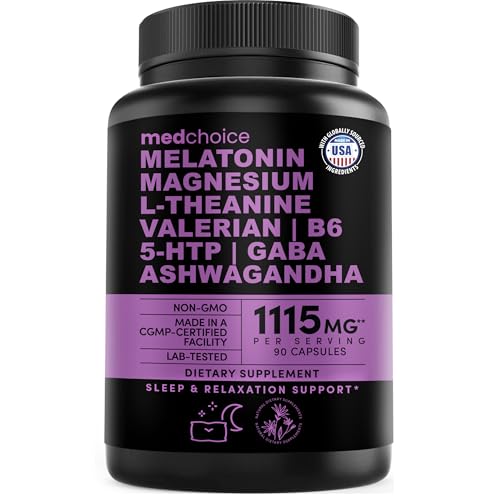
MEDCHOICE 12-in-1 Melatonin 5mg Sleep Capsules with Magnesium, 90ct
- Improved Non-Habit Forming Formula: Supports restful sleep without dependence
- Powerful Sleep Ingredients: Contains melatonin, magnesium, ashwagandha, and black pepper
- Feel the Benefits: Promotes calmness and relaxation for better sleep
As an affiliate, we earn on qualifying purchases.
Frequently Asked Questions
How Does Sleep Quality Affect Overall Health?
Poor sleep quality can profoundly impact your overall health, leading to issues like sleep disorders and impaired immune function. When your sleep isn’t restful, you’re more prone to stress and chronic diseases. Dream analysis can offer insights into your mental health. Prioritizing quality sleep helps you stay alert, boosts mood, and strengthens your body’s defenses, ensuring you feel your best every day.
Can Sleep Needs Change During Stressful Periods?
Yes, your sleep needs can change during stressful periods. Stress impact often causes sleep fluctuations, making it harder to fall asleep or stay asleep. You might find yourself needing more rest to recover or sometimes feeling tired despite longer sleep. Pay attention to your body’s signals and adjust your sleep schedule if needed. Managing stress through relaxation techniques can also help stabilize your sleep patterns and improve overall rest.
How Does Sleep Variability Impact Long-Term Wellness?
Think of your sleep schedule as a steady drumbeat; irregularity throws off your body’s rhythm. When sleep varies, it disrupts your circadian rhythms, leading to fatigue, weakened immunity, and mood swings. Long-term, this inconsistency can chip away at your wellness, increasing risks for chronic conditions. Prioritizing sleep consistency helps your body stay in sync, fueling better health, sharper mind, and overall liveliness for years to come.
Are There Signs of Sleep Deprivation to Watch For?
If you’re experiencing sleep deprivation, you might notice alertness cues like difficulty concentrating, feeling irritable, or struggling to stay awake during the day. You could also have trouble remembering details or making decisions. Watch for sudden mood swings or physical symptoms like headaches and fatigue. Recognizing these signs early helps you address sleep issues promptly, ensuring you stay alert and maintain your overall well-being.
What Are Tips for Improving Sleep Hygiene?
To improve your sleep hygiene, focus on creating a relaxing sleep environment by keeping your bedroom cool, dark, and quiet. Establish consistent bedtime routines, like reading or gentle stretches, to signal your body it’s time to wind down. Avoid screens before bed and limit caffeine intake. These habits help your body shift smoothly into sleep, making it easier to fall asleep and stay rested throughout the night.

Nature's Bounty Melatonin, 100% Drug Free Sleep Aid, Promotes Relaxation and Sleep Health, 1mg, 180 Tablets
- Supports Natural Sleep Cycle: Promotes tranquil, restful sleep
- Enhances Sleep Quality: Improves rest for refreshed mornings
- Faster Sleep Onset: Helps you fall asleep quicker
As an affiliate, we earn on qualifying purchases.
Conclusion
So, now you know how much sleep you truly need at each age. Prioritize rest, embrace consistency, and listen to your body’s signals. Sleep isn’t just about quantity; it’s about renewal, energy, and well-being. Make sleep a non-negotiable part of your daily routine. Because when you sleep well, you wake up better, stronger, and ready to face each day. Your health, happiness, and future depend on the sleep you choose tonight.

Natrol Melatonin 5 mg Fast Dissolve Tablets, Strawberry, 200 Count
- Fast-Acting Sleep Aid: Promotes sleep in 15 minutes
- Supports Restful Sleep: Helps adults sleep longer and better
- Drug-Free Formula: Vegetarian, non-habit forming supplement
As an affiliate, we earn on qualifying purchases.

Nature Made Melatonin 3mg Sleep Aids for Adults, 240 Tablets
- Recommended Dosage: Take one tablet an hour before bed
- Quantity: 240 tablets per bottle
- Sleep Support Type: Occasional use sleep aid
As an affiliate, we earn on qualifying purchases.