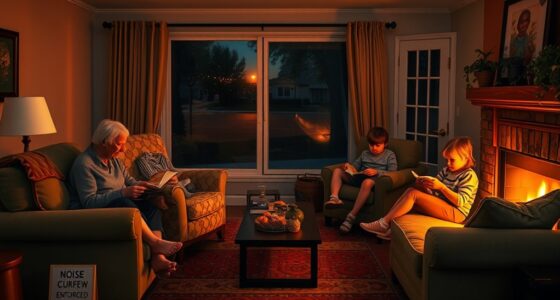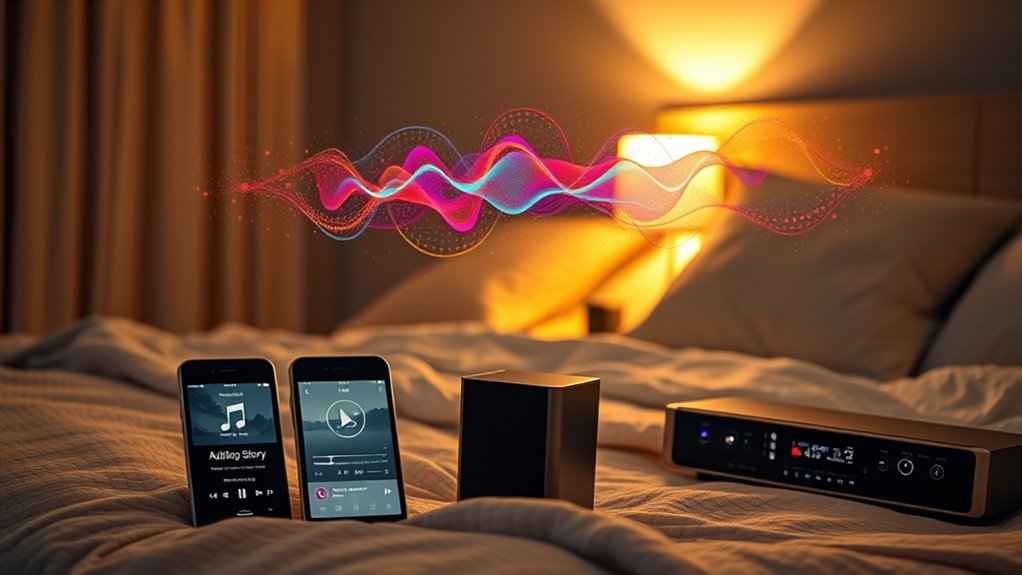

Choosing between audio stories, music, or noise depends on your preferences and how your mind responds at bedtime. If you enjoy engaging narratives that help you unwind through active processing, stories can be soothing. Soft, slow music promotes relaxation and can slow your breathing, while steady noise masks disruptions and creates a calming environment. To find what works best for you, explore the options; you’ll discover more ways to improve your sleep by staying tuned.
Key Takeaways
- Choose audio stories for active engagement and emotional comfort, promoting gentle winding down before sleep.
- Opt for slow, soothing music to slow heart rate and create a tranquil atmosphere conducive to sleep.
- Use consistent, neutral noise to mask disruptive sounds and establish a steady, calming soundscape.
- Personal preferences and responsiveness to sound types should guide the selection for optimal sleep quality.
- Combining elements, like calming stories with soft music or noise, can enhance relaxation based on individual needs.

When it comes to auditory experiences, you often find yourself torn between audio stories, music, and noise, each offering a different way to engage your senses. Choosing the right bedtime track isn’t just about personal preference; it can *considerably* influence your sleep quality. Audio stories, for instance, provide a gentle way to wind down. They engage your mind without overstimulating it, making them excellent for calming your thoughts before sleep. The benefits of auditory learning come into play here—you’re not just passively listening; you’re actively processing narratives, which helps your brain shift from the busyness of the day to a more relaxed state. Plus, stories often have a soothing, predictable structure that can trigger the emotional impact of sound in a positive way, easing anxiety and promoting a sense of comfort. The emotional impact of sound can’t be overstated—well-chosen stories can evoke feelings of safety and warmth, easing you into sleep with familiar voices or calming tones. Incorporating sound design techniques in audio stories can further enhance their relaxing qualities by creating an immersive and tranquil listening environment.
Music, on the other hand, offers a different set of advantages. Soft, slow melodies can help slow your heart rate and breathing, signaling to your body that it’s time to rest. The emotional impact of sound in music can evoke feelings of tranquility or nostalgia, which help you relax and disconnect from daily stressors. Unlike stories, music often lacks a narrative but can still create a soothing atmosphere through melody, harmony, and tempo. Many find that instrumental music, especially classical or ambient tunes, minimizes mental distractions, allowing your mind to drift effortlessly into sleep. The benefits of auditory learning still hold here—your brain responds to musical patterns, which can reinforce a sense of predictability and peace, easing your *passage* into sleep.
Noise, particularly white or pink noise, can sometimes be the right choice if you prefer a consistent, unobtrusive background. It masks disruptive sounds and creates a steady soundscape that can help you fall asleep faster. However, noise’s emotional impact varies; for some, it’s a neutral or even calming presence, while others might find it distracting or irritating. The key is to choose a sound that feels unobtrusive and comforting, rather than disruptive. If you’re sensitive to sound, audio stories and music with gentle melodies might serve you better, but for those who thrive with background noise, a consistent soundscape can be just what you need to drift off peacefully. Ultimately, selecting the right bedtime track depends on your personal preference and how your brain responds to different auditory stimuli.
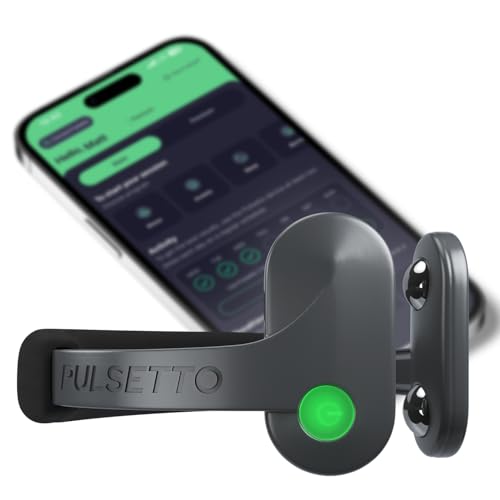
Pulsetto Lite (V1) Wellness Wearable – Relaxation & Daily Wellness Support Device
- Quick Relaxation Sessions: 4-10 minute calming routines
- Portable Wellness Device: Compact for home or on-the-go use
- Customizable with Pulsetto App: Personalize sessions and track progress
As an affiliate, we earn on qualifying purchases.
Frequently Asked Questions
How Do Personalized Bedtime Tracks Impact Sleep Quality?
Personalized bedtime tracks can considerably improve sleep quality because of their personalization benefits. When you choose tracks tailored to your preferences, they create a stronger emotional connection, helping you relax more easily. This emotional connection reduces stress and anxiety, making it easier to fall asleep and stay asleep throughout the night. As a result, your overall sleep quality improves, leaving you more refreshed and energized for the day ahead.
Can Combining Audio Stories and Music Enhance Relaxation?
Yes, combining audio stories and music through sound layering can enhance relaxation by creating a calming atmosphere. You might find that these layered sounds help improve your mood and ease your mind before sleep. The gentle blend of storytelling and soothing melodies can distract your thoughts, making it easier to drift off. Experiment with different combinations to discover what best promotes your relaxation and sleep quality.
What Are the Best Volume Levels for Sleep-Inducing Sounds?
You should set your sound intensity at a low volume level for sleep-inducing sounds, typically around 20-40 decibels. Keep the volume steady and avoid sudden increases to prevent disrupting your sleep. Finding the right balance ensures the sound is soothing without being overwhelming. Adjust the volume gradually to a comfortable level, making sure it remains consistent throughout the night for ideal relaxation and uninterrupted rest.
Are There Specific Sounds Recommended for Children’s Bedtime Routines?
You should try white noise or gentle nature sounds for children’s bedtime routines, as they create a calming environment. White noise helps drown out disruptive noises, while nature sounds like rain or ocean waves promote relaxation. Keep the volume low so it’s soothing, not overwhelming. These sounds can help children fall asleep faster and stay asleep longer, making bedtime smoother and more peaceful for both of you.
How Long Should Bedtime Tracks Be for Optimal Sleep?
For ideal sleep, keep bedtime tracks around 20-30 minutes, as this aligns with typical sleep duration and helps your child unwind. For example, a study found children slept better with calming tracks within this timeframe. Sound duration matters because longer tracks might lead to overstimulation or waking during the night, while shorter ones may not create enough relaxation. Stick to this window for a peaceful, restful sleep.

Pulsetto FIT (V2) Wellness Wearable – Relaxation, Sleep & Daily Wellness Support Device
- Short, Easy Relaxation Sessions: 4-10 minute calming routines
- Lightweight, Ergonomic Design: Comfortable wearable for daily use
- Customizable Wellness App: Personalized sessions and tracking
As an affiliate, we earn on qualifying purchases.
Conclusion
Choosing the right bedtime sound is like finding the perfect lullaby for your soul. Whether it’s the calming whisper of an audio story, the gentle hum of music, or the quiet hush of noise, each guides you to dreamland in its own way. Think of it as your personal bridge to serenity—building a peaceful night one note at a time. So, listen closely, and let your perfect bedtime track lead you into a night of restful sleep.

3-in-1 Visual Timer & ADHD Tool for Kids|Adults
- 3-in-1 Visual Timer: Includes timer, clock, and chore chart
- Task and Chore Management: Features to-do list and chore board
- Silent and Adjustable Alerts: Silent, vibration, and ringing modes
As an affiliate, we earn on qualifying purchases.
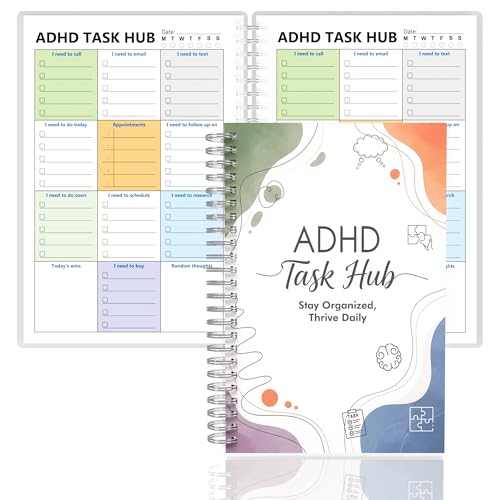
ADHD Planner for Focus & Productivity: Task Management Hub with Color-Coded Sections for Calls, Emails, To-Dos, Appointments & More. Reduce Overwhelm. A5, Durable Cover, 100gsm Paper, Spiral Bound
- Scientifically Structured for ADHD: Color-coded sections and categorized tasks
- Enhances Motivation & Clarity: Sections for wins and thoughts
- Premium Durable Quality: A5 size with sturdy cover and thick paper
As an affiliate, we earn on qualifying purchases.