
To effectively signal you’re off work, establish simple shift rituals like turning off your computer or changing into comfortable clothes. Incorporate hobbies such as cooking or playing music to help shift focus and reduce stress. Create a calming environment with dim lighting or soothing scents, and set consistent routines that mark the end of your workday. These intentional actions help detach from work mode, refresh your mind, and prepare you for relaxing downtime—discover more ideas to make your transition smoother.
Key Takeaways
- Establish a consistent routine, like turning off your work devices and changing clothes, to signal the end of the workday.
- Incorporate enjoyable hobbies such as reading, cooking, or playing music to help mentally detach from work stress.
- Create a calming environment with dim lighting, soft music, or scented candles to reinforce relaxation cues.
- Set specific times for relaxation activities to develop a predictable transition pattern between work and personal life.
- Choose purposeful activities that promote joy and stress relief, helping you mentally and emotionally recharge for the next day.

Have you ever wondered how to make the most of your evenings after a busy day at work? Transition rituals are key to shifting from the hectic pace of your job to a more relaxed state at home. One effective way to do this is by establishing a clear routine that signals the end of your workday and helps you unwind. This can be as simple as turning off your computer, changing into comfortable clothes, or stepping outside for a quick walk. These small acts create a mental boundary, helping you leave work behind and focus on your personal time.
Stress relief is central to a successful after-work routine. When you find ways to reduce tension, you prevent work stress from spilling over into your evening. Incorporating hobbies into your shift can be particularly beneficial. For example, if you enjoy playing an instrument, dedicate a few minutes to practice. If you like cooking, preparing a favorite meal can serve as both a hobby and a soothing activity. Engaging in hobbies not only distracts you from lingering work concerns but also boosts your mood and sense of accomplishment. The key is to choose activities that genuinely bring you joy and allow you to disconnect from work-related thoughts.
Integrating hobbies into your evening routine also helps you establish a consistent pattern that your mind and body come to expect. This consistency makes it easier to switch gears and relax. For instance, you might set aside 30 minutes for reading, gardening, or crafting right after work. These activities act as a bridge between your professional responsibilities and personal relaxation. They’re an effective way to signal to your brain that it’s time to unwind, reducing residual stress and preventing burnout. Additionally, creating a calm environment with sensory cues further enhances your ability to transition smoothly from work to relaxation.
Creating a calm environment is equally important. Dim the lights, play soft music, or light a scented candle to enhance your relaxation. These sensory cues help reinforce your shift ritual, making it easier to detach from work mode. Remember, it’s not just about filling your evening with activities but about intentionally choosing those that foster stress relief and enjoyment. This intentional approach transforms your after-work hours into a sanctuary where you can recharge and prepare mentally for the next day.

White crown LED Desk Lamp Dimmable Table Lamp Reading Lamp with USB Charging Port, 5 Lighting Modes, Sensitive Control, 30/60 Minutes Timer (White, First-Generation)
- Eye-Friendly LED Lights: 52 LEDs with adjustable brightness and modes
- Touch Controls & Memory: Easy touch control with saved settings
- USB Charging & Timer: Built-in USB port and auto-off timer
As an affiliate, we earn on qualifying purchases.
As an affiliate, we earn on qualifying purchases.
Frequently Asked Questions
How Long Should a Transition Ritual Last?
A transition ritual should last about 10 to 15 minutes to guarantee it’s effective without feeling rushed. This duration helps you fully shift from work mode to relaxation, boosting its effectiveness. Consistency is key, so try to do it daily at the same time. Longer or shorter rituals may work for some, but maintaining a steady duration helps reinforce the habit and signals clearly that your workday is done.
Can Remote Workers Benefit From These Rituals?
Sure, remote workers can totally benefit from these rituals—who needs a commute to separate work from life? By establishing a quick, intentional shift, you create mental separation and improve your work-life balance. It’s ironic how simply changing clothes or taking a walk signals the end of your workday, but it really helps you mentally “switch off.” So, yes, even at home, these rituals keep your mind clear and stress levels low.
Are There Specific Rituals for Different Personality Types?
Yes, there are personality-driven routines and ways to customize your rituals. If you’re energetic, you might prefer a quick workout or dance session to shift, while a more reflective person might enjoy journaling or meditation. Tailoring your ritual to match your personality helps you disconnect effectively. By customizing your transition routines, you make unwinding more natural and satisfying, ensuring you truly signal ‘off’ and recharge for the next day.
How Do I Create a Personalized Transition Ritual?
Start by identifying what helps you disconnect—perhaps mindfulness exercises or physical activities. Juxtapose the busy workday with calming routines, like deep breathing or a quick walk. Create a ritual that feels natural, such as stretching or journaling, and make it consistent. Focus on what signals your brain it’s time to unwind, so these activities become your personalized changeover ritual, easing your shift from work mode to relaxation.
What if I Feel Too Tired for a Ritual?
If you’re too tired for a ritual, focus on simple energy management and relaxation techniques to ease into your evening. Try deep breathing, gentle stretches, or a quick walk to shift your mindset without draining your energy. Keep it minimal—just a few minutes—to signal your mind you’re switching off work. These small steps help you relax, recharge, and make your progression smoother, even when you’re feeling exhausted.

Scented Candles Gift Set for Women, 6-Pack Aromatherapy Candles for Home
- Set Includes Six Scents: Lavender, Jasmine, Vanilla, Sage, Sandalwood Rose, Eucalyptus Mint
- Long-Lasting Burn Time: Up to 300 hours of burn time
- Even and Clean Burn: Steady flames for consistent scent throw
As an affiliate, we earn on qualifying purchases.
As an affiliate, we earn on qualifying purchases.
Conclusion
So, enjoy those little rituals that mark the end of your workday. Ironically, they’re the only things standing between you and total burnout—yet many ignore them. Instead of rushing straight into screens or chores, take a moment to truly unwind. After all, isn’t it amusing how a simple ritual can turn off the “work mode” and turn on the relax button? Just remember, the secret to a happy life might be as simple as saying “goodbye” to work, properly.
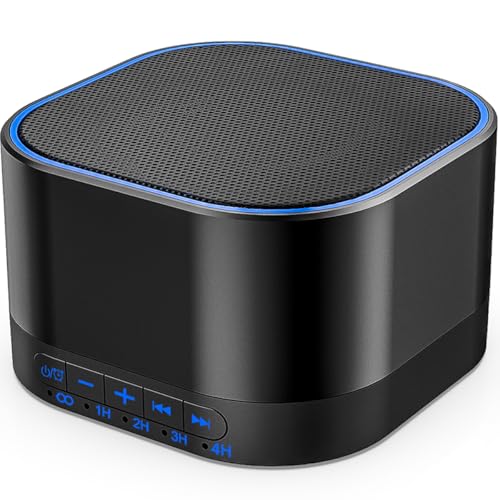
Magicteam Sound White Noise Machine with 20 Non Looping Natural Soothing Sounds and Memory Function 32 Levels of Volume Powered by AC or USB and Sleep Sound Timer Therapy for Baby Kids Adults
- 20 Non-Looping Soothing Sounds: Includes white, brown, pink, blue noise, and nature sounds
- Adjustable Volume & Timer: 32 volume levels and multiple timer options
- Portable & Compact Design: Small size for home, office, or travel use
As an affiliate, we earn on qualifying purchases.
As an affiliate, we earn on qualifying purchases.

Ekouaer 2 Pack Womens Pajama Short Sleeve Jogger Pants Pjs Lounge Set
- Soft, breathable fabric: High-quality, comfortable material
- Stylish short sleeve and jogger design: Modern, versatile look with pockets
- Suitable for multiple occasions: Nighttime wear and loungewear
As an affiliate, we earn on qualifying purchases.
As an affiliate, we earn on qualifying purchases.