When evaluating sleep apps, watch out for red flags like vague language, unclear data security measures, and broad data sharing without explicit user consent. If policies lack specifics on encryption, access controls, or how your data is used or sold, your privacy could be at risk. Be cautious of apps that don’t clearly explain your rights or how to manage your data. Understanding these warning signs can help you make safer choices—there’s more to uncover if you continue exploring.

Get wellness gear delivered free — and shop member deals
- Fast, free delivery on millions of items
- Access to Prime Big Deal Days deals on October 6–7
- Prime Video, Amazon Music and more included
Key Takeaways
- Vague language or technical jargon in policies can hide how sleep data is collected, used, or shared.
- Lack of specific details about encryption, secure storage, and access controls indicates weak data security.
- Absence of clear statements that data isn’t sold or shared without user consent raises privacy concerns.
- Policies that do not specify user rights or procedures to delete or revoke data collection are red flags.
- Default broad data sharing agreements or unclear third-party disclosures undermine transparency and user trust.
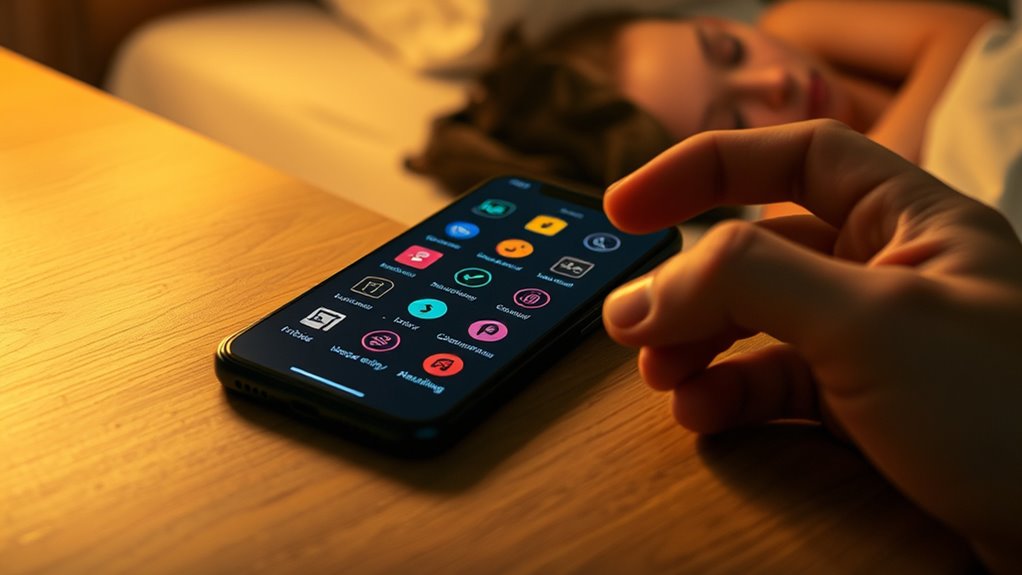
Have you ever wondered how sleep apps handle your personal data? It’s a valid concern, especially since these apps collect sensitive information about your sleep patterns, habits, and sometimes even health details. When you download a sleep app, you’re often asked to agree to their privacy policy, but do you really pay attention to what’s written there? One of the most important aspects to watch for is how the app manages data security and whether it respects user consent. Data security ensures that your personal information is protected from breaches or unauthorized access, while user consent confirms that you’re aware of and agree to how your data will be used.
Many sleep apps might claim they prioritize your privacy, but some don’t provide clear explanations of their data security measures. If the privacy policy is vague or filled with technical jargon, it’s a red flag. You want to see specific details about encryption, secure servers, and access controls that safeguard your data. Without these protections, your sleep data could be vulnerable to hacking or misuse. Additionally, a trustworthy app will explicitly state that your data isn’t sold to third parties or used for targeted advertising without your explicit consent.
Vague privacy policies and lack of security details are red flags for sleep app data protection.
User consent is another critical element. A legitimate privacy policy should clearly specify what data is collected, how it’s used, and whether you have control over it. It should also explain how you can revoke consent or delete your data if you decide to stop using the app. If an app’s privacy policy is silent on user consent or suggests that continuing to use the app implies consent to unspecified data collection, that’s a warning sign. You should always have the option to opt out of certain data sharing practices without losing access to the core features of the app.
Furthermore, some sleep apps might default to broad data sharing agreements, making it difficult for you to understand what you’ve agreed to. This lack of transparency can lead to situations where your personal sleep data ends up being shared with partners, advertisers, or even third-party analytics firms. A good privacy policy will be transparent and provide straightforward options for managing your data preferences. It should also outline your rights regarding your personal data, including how to request access, correction, or deletion. Additionally, because these apps often collect sensitive health data, it’s crucial that they implement data security measures to prevent unauthorized access or breaches.
Frequently Asked Questions
How Do Sleep Apps Share User Data With Third Parties?
Sleep apps often share your data with third parties through data sharing practices embedded in their policies. They may integrate third-party services for analytics, marketing, or other purposes, which can lead to your information being distributed beyond your control. Always review the app’s privacy policy to understand third-party integrations, and look out for vague language that might hide how your data is shared or sold.
Are Sleep App Privacy Policies Legally Binding?
Think of a sleep app’s privacy policy as a contract sealed with a handshake—legally binding if you agree. It’s meant to protect your data, relying on data encryption and requiring your explicit user consent. When you click “accept,” you sign that agreement, making the policy enforceable by law. Always read carefully, because once you agree, the app must follow those rules or face legal consequences.
Can I Delete My Data From Sleep Apps After Use?
Yes, you can delete your data from sleep apps after use. Most apps offer options for data deletion to give you better user control and privacy. Check the app’s settings or privacy policy for specific steps—usually, you’ll find a “delete data” or “clear history” button. Taking this action guarantees your personal information isn’t stored longer than you want and helps protect your privacy.
Do Sleep Apps Notify Users of Policy Changes?
Yes, sleep apps typically notify you of policy updates through user notification methods like email, in-app alerts, or push notifications. They aim to keep you informed about any changes to their policies, especially those related to data privacy and security. Make sure you check your notification settings so you don’t miss important policy update alerts, and review any new terms to understand how your data might be affected.
What Rights Do Users Have Over Their Sleep Data?
Surprisingly, you still have sleep data rights and some user control, even if sleep apps make it seem like they own your dreams. You can often access, delete, or restrict sharing of your sleep data, but only if you read the fine print. Don’t assume your data’s completely private—stay vigilant, ask questions, and exercise those rights to keep your sleep insights truly yours.
Conclusion
By mastering the basics of privacy policies, you can spot sinister signals and safeguard your sleep secrets. Stay skeptical of sneaky statements, suspiciously vague language, and unnecessary sharing requests. Remember, your privacy isn’t a trivial triviality—it’s truly precious. Prioritize apps that promote privacy, and protect your peace of mind with prudence. Practicing this proactive approach helps you sleep soundly, knowing your personal info stays private and protected. Sleep smarter, stay safer, and stay savvy!
Fall Picks
fall essentials
As an affiliate, we earn on qualifying purchases.