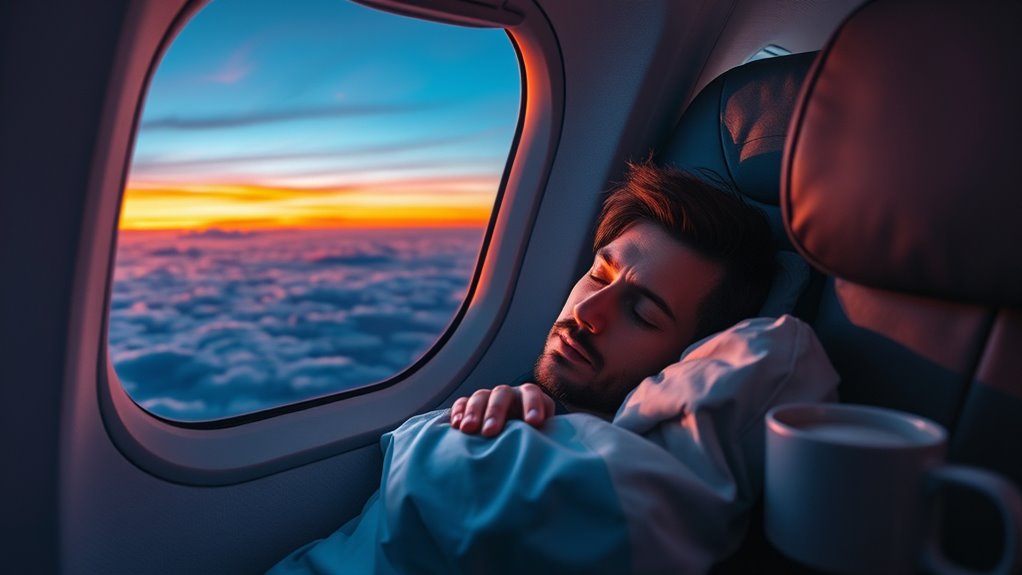

Traveling east tends to hurt more because your body’s internal clock finds it harder to advance, or sleep earlier, than to delay. Your natural tendency is to stay awake later, so shifting sleep forward causes more disruption, leading to worse jet lag symptoms like fatigue, difficulty sleeping, and mood swings. Westward travel aligns better with your body’s preference to stay awake longer, making recovery easier. Keep exploring to discover tips for minimizing these effects and feeling better sooner.
Get ready for Prime Big Deal Days — try Prime free
Exclusive member deals on October 6–7, plus fast free delivery. Cancel anytime.
As an affiliate, we earn on qualifying purchases.
Key Takeaways
- Eastward travel requires advancing the sleep cycle, which the body finds more difficult, leading to more severe jet lag symptoms.
- Westward travel aligns better with natural tendencies to delay sleep, resulting in milder jet lag effects.
- Advancing the internal clock is harder than delaying it, causing greater circadian disruption when traveling east.
- Eastward jet lag causes more intense symptoms like fatigue, mood disturbances, and sleep difficulties.
- Westward travel typically involves less circadian misalignment, resulting in less discomfort and faster adjustment.

Jet lag affects travelers differently depending on whether they’re flying east or west, and understanding these differences can help you manage your symptoms more effectively. One of the key factors involved is circadian disruption, which occurs when your internal body clock is thrown off by crossing time zones. Your circadian rhythm regulates your sleep-wake cycle, temperature, hormone levels, and other essential functions. When you travel eastward, your internal clock has to advance, meaning you need to go to bed and wake up earlier than your natural rhythm would prefer. Conversely, when traveling westward, your clock needs to delay, aligning with a later schedule. These shifts in your sleep cycle can cause different degrees of discomfort and fatigue.
The challenge with eastward travel lies in the difficulty of advancing your sleep cycle. Your body naturally finds it easier to extend waking hours than to shorten sleep time. When you fly east, your body must wake up earlier than it’s used to and go to sleep sooner, which often conflicts with your natural tendency to stay awake longer. This results in more intense jet lag symptoms because your circadian disruption is greater. You might find it hard to fall asleep at the appropriate local bedtime and wake up feeling unrefreshed. This sleep cycle shift can lead to prolonged fatigue, difficulty concentrating, and mood disturbances, especially if your trip involves multiple time zones or short notice.
On the other hand, westward travel generally causes less severe jet lag symptoms. Since your body prefers to delay its sleep and wake times naturally, shifting your sleep cycle later is easier. Your internal clock can more readily adapt to a later schedule, making it simpler to stay awake longer and sleep in. This flexibility means you’re less likely to experience the same level of fatigue or disorientation. However, it’s not without its challenges; adjusting to a delayed sleep cycle can still cause discomfort, especially if you need to wake up early or have tight schedules upon arrival. Additionally, understanding your internal clock can help you better prepare for these shifts and minimize jet lag effects.
Top picks for "east west direction"
As an affiliate, we earn on qualifying purchases.
Frequently Asked Questions
How Does Age Affect Jet Lag Severity?
As you age, jet lag tends to hit harder because age-related fatigue reduces your body’s ability to adapt quickly. Elderly individuals often experience slower circadian rhythm adjustments, making recovery longer and more uncomfortable. Your body’s decreased resilience means you may feel the effects more intensely and for a longer period, highlighting the importance of careful planning and rest to help mitigate jet lag’s impact as you get older.
Can Genetics Influence How I Experience Jet Lag?
Genetics influence how you experience jet lag by affecting your circadian genes, which regulate your internal clock. If your circadian genes are more sensitive, you might find jet lag more challenging, especially when crossing time zones. On the other hand, some people’s genes help them adapt faster. Understanding your genetic makeup can give you insight into your unique rhythm and help you plan better for travel.
Are There Long-Term Health Impacts From Frequent Jet Lag?
Frequent jet lag can cause long-term health issues because it leads to ongoing circadian disruption and hormonal imbalance. When your internal clock stays out of sync, your body struggles to regulate sleep, appetite, and stress hormones, increasing the risk of chronic conditions like heart disease, diabetes, and mental health problems. You should prioritize regular sleep patterns and exposure to natural light to help mitigate these effects and support your overall health.
What Are the Best Sleep Aids for Jet Lag Recovery?
Imagine you’re crossing multiple time zones and struggling to sleep. Melatonin supplements can help regulate your internal clock, making it easier to fall asleep. Herbal teas like chamomile or valerian root soothe your nerves and promote relaxation. Combining these aids with good sleep hygiene can accelerate your jet lag recovery. Just remember to consult your doctor before starting new supplements, especially if you’re on medication.
How Does Hydration Impact Jet Lag Symptoms?
Hydration impacts jet lag symptoms by maintaining your electrolyte balance and supporting your body’s natural adjustment. You should follow hydration strategies like drinking plenty of water and including electrolyte-rich drinks to prevent dehydration, which can worsen fatigue and headaches. Staying well-hydrated helps regulate your circadian rhythm, reduces jet lag severity, and boosts your energy levels. Proper hydration is essential for a smoother, quicker recovery from jet lag regardless of travel direction.
Conclusion
So, next time you curse those pesky time zone changes, remember: jet lag heading east is basically your body’s way of saying, “You’re not the boss of me!” Meanwhile, westward travel’s just a gentle, sleepy hug. If you want to suffer less, maybe skip the international travel and stick to local weekend getaways. Or, better yet, just embrace the chaos—after all, who needs sleep when you can have jet lag as your new best friend?
Fall Picks
fall essentials
As an affiliate, we earn on qualifying purchases.