To guarantee your eye mask stays in place while you sleep on your side, choose one with adjustable straps that can be snug without being tight. Look for lightweight, breathable materials like silk or memory foam that mold to your face and reduce pressure points. A mask with a free-floating design helps prevent pressure on your eyelids and movement shifts. Keep experimenting with strap tension and fit tips to find your perfect comfort — there’s more to discover inside.
Key Takeaways
- Choose eye masks with adjustable straps to customize fit for side sleeping comfort.
- Opt for lightweight, soft fabrics like silk or memory foam that mold to facial contours.
- Ensure straps are snug but not too tight to prevent pressure points and discomfort.
- Look for masks with a free-floating design to reduce pressure on the eyes and face during side sleep.
- Test the mask in your usual sleeping position to confirm it stays in place and blocks light effectively.

If you sleep on your side, finding the right eye mask can make a significant difference in your sleep quality. Comfort and fit are essential because a poorly fitting mask can cause discomfort, pressure, or even light leaks that disturb your rest. To achieve the best fit, start by considering material choices. Soft, lightweight fabrics like silk or memory foam are excellent options because they mold to your face without pressing uncomfortably into your skin. Silk is smooth and gentle, reducing friction and irritation, while memory foam conforms to your facial contours, ensuring a snug yet comfortable fit. Avoid stiff or rough materials that can create pressure points or cause discomfort during prolonged use. Additionally, selecting a mask with free floating design can help accommodate different sleeping positions and reduce pressure points, enhancing overall comfort.
Next, pay attention to strap adjustments. Your mask’s strap should be tight enough to stay in place as you turn and shift during sleep but not so tight that it leaves marks or causes discomfort around your head. Many masks come with adjustable straps—use these features to customize the fit to your head size and sleeping position. When adjusting, make sure the strap is evenly tightened on both sides, avoiding excessive tension that could cause headaches or pressure around your temples. Conversely, if the strap is too loose, the mask may slip or shift, exposing your eyes to light and disrupting your sleep cycle.
If you have a mask with a single strap, check that it can be easily adjusted for a secure fit. For models with dual straps, ensure they are both snug but comfortable, distributing tension evenly. Some masks include silicone or elasticized straps that stretch slightly, providing a secure fit without feeling restrictive. Don’t forget to test the mask in your typical sleeping position—side sleeping often shifts the mask more than other positions—so adjust the straps accordingly until you find a balance that keeps the mask in place without causing discomfort.
Ultimately, the key lies in selecting a mask that’s made from a comfortable, breathable material and offers adjustable straps for a personalized fit. This way, your mask stays put, blocks out light effectively, and doesn’t disturb your sleep. Remember, a well-fitting eye mask can help you fall asleep faster, stay asleep longer, and wake up feeling more rested—especially if you’re a side sleeper who needs a tailored fit to keep light out and comfort in.

SECZIPE 100% Mulberry Silk Sleep Mask Eye Mask for Women Man with Adjustable Band, for Side Sleeper Blackout Sleep Mask for Travel Rest and Office Large Size (Black)
- Material: 100% Mulberry Silk for comfort
- Breathable & Moisturizing: Prevents skin dryness and wrinkles
- Hair Protection: Protects hair from damage
As an affiliate, we earn on qualifying purchases.
As an affiliate, we earn on qualifying purchases.
Frequently Asked Questions
Can Eye Masks Help Reduce Sleep Wrinkles for Side Sleepers?
Yes, eye masks can help reduce sleep wrinkles for side sleepers. By providing gentle pressure and smoothness, they promote skin hydration and support anti-aging benefits. When you wear a comfortable eye mask, it minimizes friction against your skin, preventing creases that cause wrinkles. Plus, the added hydration helps keep your skin supple, making it a simple yet effective tool for maintaining a youthful appearance while you sleep.
Are There Specific Materials Better Suited for Side Sleepers?
Yes, certain materials suit side sleepers better. Silk fabrics are ideal because they’re smooth, gentle on your skin, and help prevent wrinkles. Memory foam masks also work well, offering a plush, contouring fit that minimizes pressure on your face. These materials reduce discomfort and allow for a snug, comfortable fit, making it easier to wear the mask all night without shifting or causing skin creases.
How Do I Prevent Pressure on My Eyes From an Eye Mask?
To prevent pressure on your eyes from an eye mask, focus on adjusting the mask fit to avoid unnecessary pressure points. Choose a mask with a softer, flexible material that contours comfortably around your eyes. Confirm it sits snugly but not too tight, and look for designs with cushioned edges. Regularly check the fit throughout the night to keep pressure off your eyes and enjoy a more restful sleep.
Do Eye Masks Interfere With Side Sleeping Comfort?
Eye masks can sometimes interfere with side sleeping comfort if the fit isn’t right. If your eye mask is too tight or bulky, it can cause discomfort or put pressure on your eyes, disrupting your sleep. To avoid this, choose masks with adjustable straps and a slim design. Ensuring a proper eye mask fit helps maintain your side sleeper comfort, so you wake up feeling refreshed without pressure or irritation.
Can Eye Masks Improve Sleep Quality for Side Sleepers With Allergies?
Yes, eye masks can improve your sleep quality if you have allergies. They create a better sleep environment by blocking out light and reducing irritation from allergens like pollen or dust. Additionally, some masks are designed with materials that help improve allergy relief, such as hypoallergenic fabrics. By minimizing exposure to irritants and light, you can fall asleep faster and enjoy deeper, more restful sleep even with allergies.

Fygrip 3D Eye Mask Sleep Mask for Men & Women, Black
- Pressure-Free Design: Patented 3D contour with deep eye pockets
- Complete Light Blocking: Ergonomic outline with soft barrier
- Premium Comfort: Made of soft fabric and memory foam
As an affiliate, we earn on qualifying purchases.
As an affiliate, we earn on qualifying purchases.
Conclusion
By now, you see how the right eye mask can transform your sleep experience as a side sleeper. With the fit tricks and tips, you’ll wake up feeling refreshed and ready to face the day. Doesn’t it make sense to invest in a mask that truly suits your sleep style? Remember, the perfect fit isn’t just about comfort—it’s about giving yourself the best chance for restful, uninterrupted sleep every night.

Mavogel Cotton Sleep Eye Mask, Light Blocking with Adjustable Nose Bridge
- Ergonomic Design: Fits all head sizes comfortably
- Adjustable Nose Bridge: Patented bending nose wire for light blocking
- Light Blocking Efficiency: Blocks out light effectively anywhere
As an affiliate, we earn on qualifying purchases.
As an affiliate, we earn on qualifying purchases.
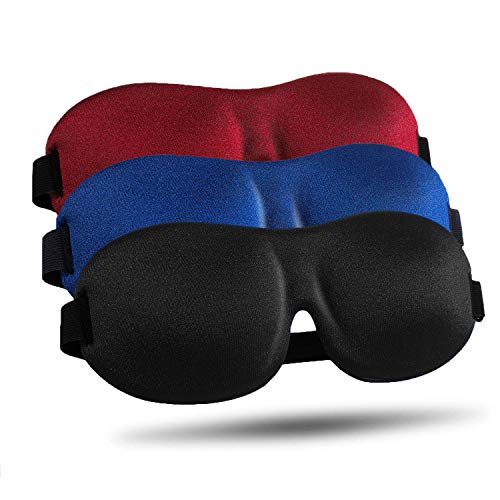
LKY DIGITAL Sleep Mask for Side Sleeper 3 Pack, Blackout 3D Eye Mask
- Light Blocking: Blocks 99% of light for darkness
- 3D Contoured Design: No pressure on eyes, comfortable fit
- Adjustable Strap: Fits head sizes 18.5 to 27.5 inches
As an affiliate, we earn on qualifying purchases.
As an affiliate, we earn on qualifying purchases.