
Algorithms can accurately analyze brain activity, heart rate, and movement data to identify sleep stages, making sleep scoring more consistent and efficient. However, they can’t fully replace human oversight, as noise, artifacts, and individual differences can lead to misclassification. Combining machine analysis with expert review improves reliability. If you want to understand how these systems work and their limitations, exploring further will give you more insight into sleep tech’s evolving role.
Key Takeaways
- Algorithms analyze physiological signals like EEG, heart rate, and movement to classify sleep stages automatically.
- They provide consistent, rapid results but may struggle with noise, artifacts, and individual variability.
- Machine learning enhances accuracy but can introduce biases if trained on limited or unrepresentative data.
- Human oversight is essential to identify misclassifications, artifacts, and interpret complex sleep patterns.
- Future advancements focus on sensor fusion and personalized algorithms for more precise, accessible sleep staging.
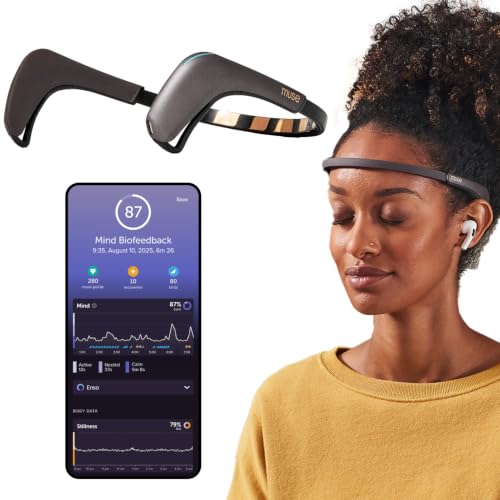
MUSE 2: The Brain Sensing Headband USB-C- EEG MUSE Headband Meditation Tracker - Multi Sensor Biofeedback Devices for Home Use with Responsive Sound Feedback Guidance - Neurofeedback Devices
- Immediate EEG Feedback: Core session tracking included
- Premium Subscription Benefits: AI Coach and 500+ meditations
- Personal Meditation Coach: Guides relaxation and mental wellbeing
As an affiliate, we earn on qualifying purchases.
The Basics of Sleep Staging

Understanding sleep staging is essential because it helps us grasp how your sleep cycles work. Sleep stages are like chapters in a book, each serving a specific purpose for your health. During sleep, your brain shifts through different phases, including REM and non-REM stages. Recognizing these stages improves your overall sleep hygiene by highlighting patterns and disruptions. Dream analysis is often linked to REM sleep, where most vivid dreams occur, giving insights into your subconscious. Knowing how sleep stages progress can help you create routines that promote quality rest. While sleep staging might seem complex, understanding these basics enables you to identify habits that support healthier sleep cycles and better dream recall. Modern sleep tracking technology leverages algorithms to monitor these stages more accurately, providing valuable data for improving your sleep quality. These algorithms continually evolve with advances in artificial intelligence, making sleep monitoring more precise and accessible for everyday users. As a result, the accuracy of sleep data has significantly improved, helping users make more informed decisions about their sleep habits. Additionally, understanding the specific Sleep stages can aid in diagnosing potential sleep disorders and tailoring treatment plans. Furthermore, ongoing research into sleep patterns continues to uncover new insights that can enhance personalized sleep interventions. This foundation is key to optimizing your nightly rest and well-being.

SereniBrain EEG Neurofeedback Headband for Meditation & Brainwave Monitoring, Real-Time Brain Activity Tracker with App, Train Focus, Relaxation & Sleep Preparation
- Real-Time Brainwave Monitoring: Tracks alpha, beta, theta waves during activities
- Guided Meditation & Brain Training App: Includes guided exercises with real-time feedback
- No Subscription Fees: Free access to app features and updates
As an affiliate, we earn on qualifying purchases.
How Algorithms Detect Sleep Phases
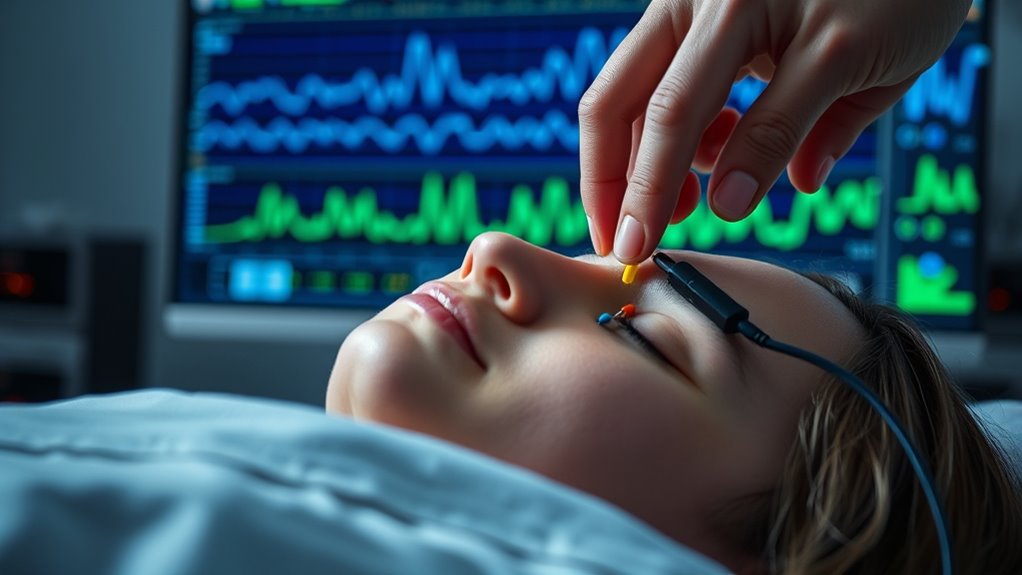
Algorithms detect sleep phases by analyzing data collected from wearable devices or sleep studies, such as brain activity, eye movements, and heart rate. They rely on machine learning techniques to identify patterns within this data, enabling the system to classify different sleep stages accurately. Pattern recognition plays a critical role, as algorithms learn to distinguish subtle differences in signals that correspond to REM and non-REM sleep. These systems are trained on large datasets, allowing them to improve their accuracy over time. While they don’t directly interpret brain waves like a sleep technician, machine learning models can detect complex patterns and automate sleep staging efficiently. Additionally, Youngster Choice has shown that the effectiveness of these algorithms can vary depending on individual differences and data quality. However, their precision depends on data quality and the sophistication of the algorithms used. Moreover, ongoing advancements in machine learning techniques continue to enhance the potential of automated sleep analysis systems, especially as they incorporate personalized data for better accuracy. This adaptability highlights the importance of data quality in achieving reliable results. Furthermore, research indicates that real-time analysis can provide more immediate insights into sleep patterns, which is valuable for both clinical and personal applications.

Entertech Flowtime: Biosensing Meditation Headband - Brain Tracker for Neurofeedback Training at Home - Heart Rate, Breath, HRV, Stress, Flow, Alpha, Theta, Beta, Gamma Wave Breakdowns
- Real-time Meditation Monitoring: Brainwaves, heart rate, and stress levels
- Scientifically Validated Meditation Lessons: Guided techniques for daily progress
- Detailed Performance Reports: Track and compare your meditation data
As an affiliate, we earn on qualifying purchases.
The Role of EEG and Other Sensors

Wearable devices and sleep studies utilize various sensors to gather detailed data about your sleep. EEG sensors measure brain activity, providing essential insights into sleep stages, while other sensors track heart rate, movement, and breathing. Sensor fusion combines data from these sources, giving a thorough picture of your sleep patterns. Machine learning algorithms analyze this integrated data, identifying subtle patterns that distinguish different sleep phases. This multi-sensor approach enhances accuracy beyond what any single sensor could achieve alone. Additionally, advancements in sensor technology continue to improve data collection and reliability. Developing sensor calibration techniques helps mitigate issues caused by sensor drift or misplacement. Moreover, ongoing research into sensor accuracy aims to refine data precision for better sleep analysis. However, it’s important to recognize that sensor limitations, such as noise or placement issues, can affect data quality. While these sensors provide valuable information, they’re tools that assist, not replace, expert interpretation. Their role is critical in advancing automated sleep staging, but they still have boundaries. Additionally, understanding sensor limitations helps users interpret sleep data more effectively and promotes ongoing improvements in sleep technology.

Pulsetto FIT (V2) Wellness Wearable – Relaxation, Sleep & Daily Wellness Support Device
- Short, Easy Relaxation Sessions: 4-10 minute calming routines
- Lightweight, Ergonomic Design: Comfortable wearable for daily use
- Customizable Wellness App: Personalized sessions and tracking
As an affiliate, we earn on qualifying purchases.
Strengths of Automated Sleep Scoring

Automated sleep scoring offers remarkable consistency in results, reducing variability between different scorers. It also increases efficiency, allowing you to analyze large datasets quickly without sacrificing accuracy. This combination of speed and reliability makes automated methods a valuable tool in sleep research and clinical practice. Additionally, creating a comfortable workspace can enhance the overall effectiveness of sleep studies by ensuring proper setup and minimizing disturbances. Moreover, understanding cookie categories and user consent management can improve data handling practices and ensure compliance with privacy standards. Incorporating standardized protocols can further optimize the accuracy and reproducibility of sleep staging.
Consistency in Scoring
Because scoring sleep stages manually can vary between experts, automated systems bring a significant advantage by providing consistent and reliable results. They improve inter scorer reliability and promote scoring standardization across different laboratories. This consistency helps reduce subjective differences, ensuring each sleep record is evaluated uniformly. Additionally, leveraging advanced automotive repair software in other fields demonstrates how technology can enhance consistency and efficiency in complex tasks. Incorporating machine learning algorithms further refines the accuracy and adaptability of automated sleep scoring systems. Moreover, standardized scoring can facilitate comparative studies across diverse populations and research settings. Implementing these systems also supports ethical standards by maintaining objectivity and fairness in data analysis. Utilizing quality control protocols specific to sleep research can further enhance the reliability of automated assessments.
Efficiency and Speed
One of the key advantages of automated sleep scoring is its ability to analyze large amounts of data quickly, saving you valuable time. This efficiency enhances your overall user experience by providing rapid results without sacrificing accuracy. Automated systems process data faster than manual scoring, enabling timely interventions and better sleep management. Additionally, understanding the vetted measurements used can help ensure the reliability of the results. To illustrate, here’s a quick comparison:
| Aspect | Manual Scoring | Automated Scoring | Key Consideration |
|---|---|---|---|
| Speed | Slow, hours to days | Rapid, minutes | Data privacy |
| Data Handling | Manual, prone to errors | Automated, consistent | User experience |
| Scalability | Limited, labor-intensive | Highly scalable | Data privacy |
Automation boosts efficiency, but safeguarding data privacy is vital for a seamless user experience. Ensuring accurate data collection is fundamental to maintaining the integrity of automated sleep scoring systems.
Common Limitations and Challenges
Automated sleep staging faces challenges like algorithmic variability, which can lead to inconsistent results across different systems. Data quality constraints, such as noise or incomplete recordings, also hinder accuracy. Additionally, these algorithms often lack the ability to fully understand the broader context of sleep patterns, limiting their effectiveness.
Algorithmic Variability Issues
Algorithmic variability presents significant challenges in sleep staging because different models and algorithms can produce inconsistent results, even when analyzing the same data. Variations often stem from issues like sensor calibration, which affects the accuracy of input signals, and algorithm bias, where models may favor certain sleep patterns over others. This variability makes it difficult to compare results across studies or clinical settings. To minimize these issues, focus on standardizing sensor calibration procedures, regularly updating algorithms, and understanding each model’s limitations. Keep in mind that even small differences in data processing can lead to significant discrepancies in sleep stage classification. Recognizing these challenges helps you interpret sleep data more critically and improves the reliability of sleep analysis outcomes.
Data Quality Constraints
Data quality constraints substantially impact the accuracy and reliability of sleep staging results. Poor sensor calibration can cause inconsistent signals, making it harder for algorithms to distinguish sleep stages accurately. Inadequate data preprocessing may leave noise and artifacts that skew results. Variability in signal quality from different devices or setups further complicates analysis. To mitigate these issues, guarantee sensors are properly calibrated before recording, and apply thorough data preprocessing to clean signals.
| Issue | Impact |
|---|---|
| Sensor calibration | Inconsistent signals, misclassification |
| Data preprocessing | Residual noise affects staging accuracy |
| Signal artifacts | False positives or missed sleep transitions |
| Device variability | Reduced comparability across datasets |
| Data completeness | Gaps lead to incomplete or biased staging results |
Limited Context Understanding
One common challenge in sleep staging is limited context understanding, which can lead to misclassification of sleep stages. Algorithms often struggle with context awareness, making it hard to interpret shifts accurately. This limitation impacts their ability to recognize subtle changes or irregular patterns. Here are some key issues:
- They analyze only short time segments, missing broader sleep patterns.
- They can misinterpret artifacts or noise as genuine signals.
- Transitional stages, like NREM to REM, may be misclassified due to lack of contextual clues.
- Interpretative limitations hinder understanding of individual variability and complex sleep behaviors.
These challenges highlight how limited context understanding constrains sleep staging accuracy, emphasizing the need for improved algorithms with better interpretative capabilities.
When Human Oversight Is Still Necessary
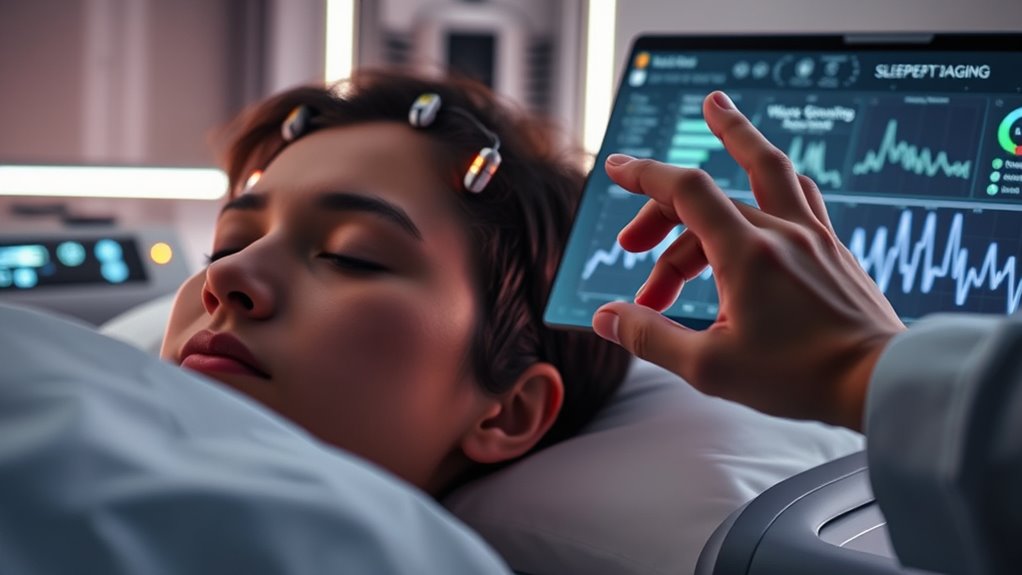
Even with advanced sleep staging algorithms, human oversight remains crucial to guarantee accuracy and reliability. Algorithms can sometimes exhibit bias, especially when trained on limited or unrepresentative data, leading to misclassification of sleep stages. Your role in reviewing and interpreting algorithm results helps identify these inaccuracies and ensures the data reflects true sleep patterns. User interpretation is essential because algorithms lack contextual understanding and can’t account for individual variability or artifacts in the data. By overseeing the process, you can correct mislabeling, address anomalies, and adjust for potential biases. This collaborative approach combines the speed of automation with your expertise, ultimately improving the validity of sleep assessments and supporting better clinical or research outcomes.
Emerging Technologies and Future Directions
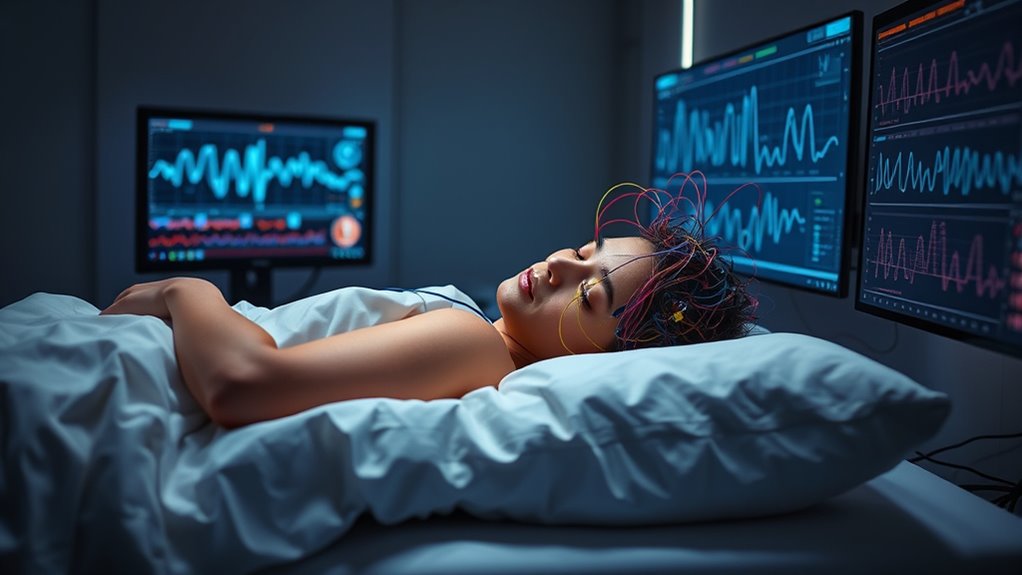
Advancements in sleep staging technology are rapidly opening new avenues for more accurate and efficient sleep analysis. You’ll see innovations like sensor fusion, which combines data from multiple sensors to improve reliability, and personalized algorithms, tailoring sleep stage detection to individual patterns. These emerging tools can adapt to your unique physiology, providing more precise insights. Here are some exciting developments:
Sleep analysis is becoming more precise with sensor fusion and personalized algorithms tailored to your unique sleep patterns.
- Sensor fusion enhances data accuracy by integrating signals from EEG, movement, and heart rate sensors.
- Personalized algorithms learn your sleep habits over time, increasing staging precision.
- Wearable devices leverage new sensor tech for continuous, non-invasive monitoring.
- Machine learning models are evolving to better interpret complex sleep patterns.
Together, these advancements promise a future where sleep analysis is more accurate, accessible, and customized to your needs.
Making the Most of Sleep Data
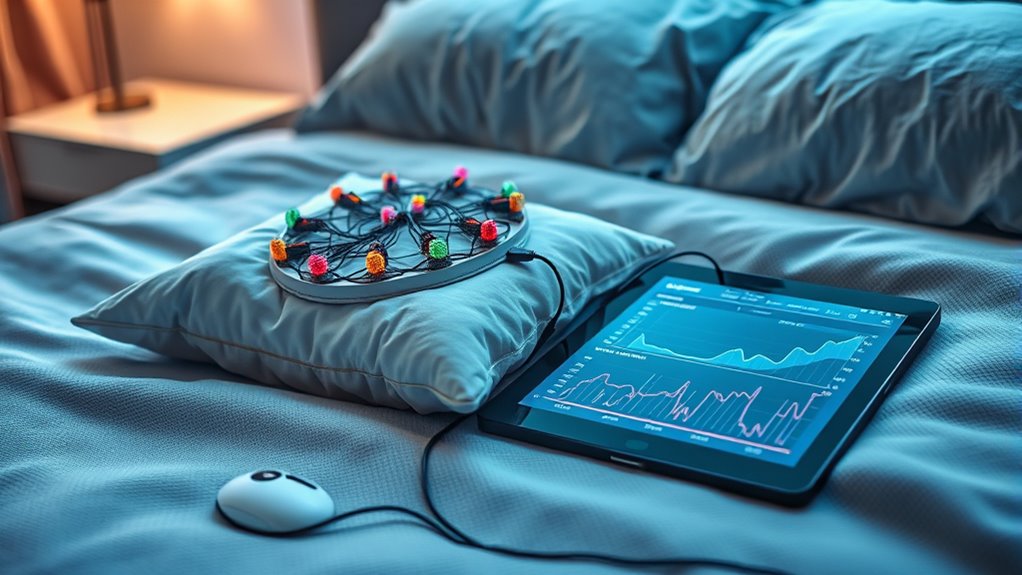
To make the most of your sleep data, you need to understand how to interpret the information collected from various devices and sensors. Your sleep environment plays a significant role in the accuracy of this data; factors like room temperature, lighting, and noise can influence results. Pay attention to how comfortable you feel during sleep, as patient comfort directly affects sleep quality and data reliability. When reviewing your sleep data, look for patterns that might indicate disruptions caused by an uncomfortable sleep environment or restlessness. Using this information, you can make adjustments—such as optimizing your sleep space or improving comfort—to enhance sleep quality. Accurate interpretation helps you identify issues and implement targeted changes, ultimately leading to better rest and health outcomes.
Frequently Asked Questions
How Accurate Are Current Sleep Staging Algorithms Compared to Human Experts?
You’ll find that current sleep staging algorithms, powered by machine learning, are quite accurate, often matching human experts in data accuracy. They analyze EEG and other signals efficiently, reducing manual effort and variability. However, they aren’t perfect and can sometimes misclassify stages, especially in complex cases. Overall, these algorithms are a reliable supplement, but human review remains essential for precise diagnosis and treatment planning.
Can Algorithms Reliably Identify Rare or Atypical Sleep Disorders?
You might think algorithms can flawlessly detect rare disorders, but they’re often overwhelmed by the complexity of atypical pattern recognition. While they excel at common sleep stages, their ability for rare disorder detection remains limited. Algorithms struggle with the nuances of atypical sleep patterns, risking misclassification. You’ll need expert oversight for accurate diagnosis, as current technology isn’t yet advanced enough to reliably identify these uncommon, complex conditions on its own.
What Are the Privacy Concerns Associated With Automated Sleep Data Collection?
You should be aware that automated sleep data collection raises privacy concerns, especially regarding data security and consent management. Your personal sleep information could be vulnerable to breaches if not properly protected. It’s essential that companies manage your consent carefully, ensuring you’re informed about how your data is used and shared. Always review privacy policies and opt-in options to safeguard your sensitive sleep data from misuse or unauthorized access.
How Do Algorithm-Based Sleep Staging Methods Perform Across Different Age Groups?
You’ll find that algorithm-based sleep staging methods face development challenges when applied across different age groups due to demographic differences. These algorithms often perform well in adults but can struggle with children or older adults, as sleep patterns vary widely. To improve accuracy, developers must account for age-related variations, ensuring that algorithms adapt to these demographic differences and provide reliable staging for everyone, regardless of age.
Are There Costs or Accessibility Issues Limiting Widespread Use of Automated Sleep Analysis?
Imagine a clinic trying to implement automated sleep analysis; they face cost barriers like expensive devices and software. These costs, along with device limitations such as outdated hardware or lack of portability, hinder widespread access. Smaller clinics or underserved populations may struggle to afford or deploy these technologies, limiting their reach. Consequently, high costs and device constraints create significant hurdles to making automated sleep analysis universally available.
Conclusion
Just like a skilled navigator relies on both a compass and intuition, you need both algorithms and human insight to truly understand your sleep. While tech can map your sleep stages with impressive accuracy, it’s not a crystal ball—some mysteries still need a human touch. Embrace the future of sleep science, but remember, like a seasoned sailor, your oversight keeps the voyage on course. Sleep smarter, knowing both tools and judgment guide your journey.