
On a graph, good sleep variability shows gentle ups and downs in both sleep times and durations, indicating a balanced and adaptable sleep cycle. Your sleep times should stay within a consistent range, with small shifts—like going to bed between 10:30 and 11:30 p.m.—and durations mostly around 7 hours. This pattern supports your circadian rhythm and overall health. Keep going to see how these patterns help you maintain healthy sleep habits.

Get wellness gear delivered free — and shop member deals
- Fast, free delivery on millions of items
- Access to Prime Big Deal Days deals on October 6–7
- Prime Video, Amazon Music and more included
Key Takeaways
- Sleep times and durations show gentle, consistent fluctuations without large, erratic swings.
- Variations in sleep onset and wake times stay within a narrow, predictable range.
- Sleep duration typically varies between 6.5 to 8 hours, centered around 7 hours.
- The pattern exhibits smooth peaks and valleys, indicating stable, healthy sleep cycles.
- Overall, the graph reflects a balanced rhythm supporting circadian health and well-being.
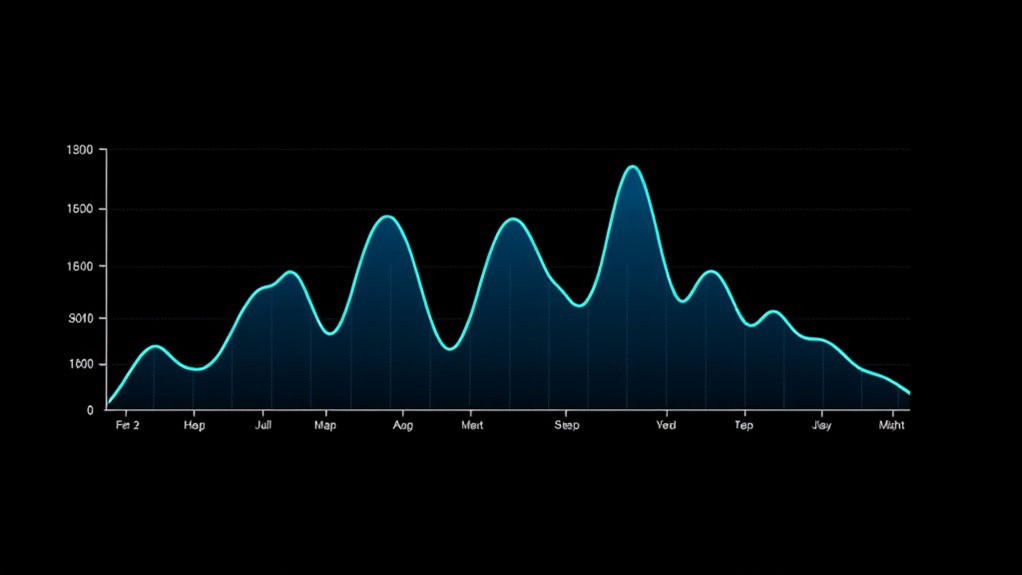
Understanding sleep variability can reveal important insights into your overall health and well-being. When you look at a graph that tracks your sleep over time, it’s essential to interpret what a healthy pattern might look like. Good sleep variability isn’t about perfect consistency every single night; instead, it’s characterized by a balanced sleep pattern that shows some natural fluctuation but remains generally stable. This balance indicates your sleep cycle is adaptable yet reliable, allowing your body to recover and recharge effectively.
To identify good sleep variability on a graph, start by observing your sleep times and durations over several weeks. When you practice sleep pattern visualization, you’ll notice that your sleep onset and wake times shouldn’t wildly fluctuate. Instead, they tend to hover around a consistent range—say, falling asleep between 10:30 and 11:30 p.m. and waking up between 6:30 and 7:30 a.m. Small differences are normal and healthy, but large swings suggest irregularity that could point to stress, lifestyle shifts, or underlying health issues. Your goal should be to see a pattern with minor variations rather than erratic changes.
A healthy sleep pattern visualization on a graph will typically feature a series of peaks and valleys that aren’t too erratic. For example, if your sleep duration varies from 6.5 to 8 hours with most nights falling in the 7-hour range, that’s a good sign. It indicates your body generally gets enough rest, even if some nights are slightly longer or shorter. Consistency in sleep timing, combined with moderate variation in sleep duration, reflects a balanced sleep schedule that promotes better health. You’ll also want to examine how your sleep efficiency—how much time you spend asleep versus in bed—remains steady. Consistent sleep efficiency points to good sleep quality, which is just as crucial as the amount of sleep you get. Additionally, understanding sleep variability can help you identify patterns that support your circadian rhythm and overall well-being.
A balanced sleep pattern shows consistent timing with moderate variation in duration and steady sleep efficiency.
In essence, good sleep variability on a graph shows a pattern of stability with gentle fluctuations. You’ll see a pattern where your sleep times and durations are predictable, but not rigidly fixed. This kind of variability supports your circadian rhythm and helps prevent sleep disorders. By tracking these patterns regularly, you can identify when your sleep variability begins to shift toward irregularity, enabling you to make adjustments before issues develop. Ultimately, understanding and monitoring your sleep pattern visualization allows you to maintain a healthy balance—embracing natural variability while ensuring your sleep remains restorative and consistent enough to support your overall health.
Frequently Asked Questions
How Does Sleep Variability Affect Overall Health?
You may notice that high sleep variability disrupts your sleep cycle and circadian rhythm, leading to fatigue, reduced concentration, and mood swings. When your sleep times fluctuate, your body struggles to maintain a consistent rhythm, affecting hormone production and immune function. Keeping a regular sleep schedule helps stabilize your circadian rhythm, improves sleep quality, and promotes overall health, making you feel more energized and resilient each day.
What Is Considered a Healthy Range for Sleep Variability?
You might think perfect sleep consistency is impossible, but aim for variability within 30 minutes of your usual bedtime and wake time. Maintaining a steady schedule supports your circadian rhythm, promoting better sleep health. Fluctuations beyond this range can disrupt your body’s internal clock, leading to fatigue and other issues. Keep your sleep pattern as regular as possible, and you’ll notice improvements in your overall well-being.
Can Sleep Variability Predict Future Sleep Problems?
Sleep variability can hint at future sleep problems if you notice irregular sleep patterns over time. When your sleep consistency fluctuates widely, it may signal underlying issues that could lead to sleep disturbances. By paying attention to these patterns, you can proactively address potential problems. Tracking your sleep variability helps you identify early warning signs, allowing you to make adjustments for more stable, restful sleep and better overall health.
How Do Lifestyle Changes Influence Sleep Variability?
Lifestyle changes considerably influence your sleep variability by promoting better sleep consistency. When you establish a regular bedtime, reduce caffeine, and manage stress, you create a stable sleep pattern. These adjustments lower fluctuations in your sleep schedule, making your sleep more predictable and restorative. By prioritizing healthy habits, you directly impact your sleep variability, leading to improved overall sleep quality and better health outcomes over time.
Is Low Sleep Variability Always Better Than High?
Low sleep variability isn’t always better, but it generally promotes better sleep consistency and more stable sleep patterns. When your sleep schedule stays regular, your body adapts more easily, leading to improved rest and overall health. However, some flexibility can be beneficial, especially during life changes or stress. Focus on maintaining a consistent sleep routine most days, but allow for occasional variations without compromising your sleep quality.
Conclusion
When you see good sleep variability on a graph, it looks balanced with slight fluctuations, showing your body adapts well. Imagine a graph where your bedtime shifts only by 30 minutes across weeks—that’s flexibility without chaos. notably, studies show that people with this moderate variability tend to sleep 15 minutes longer overall. So, aim for gentle ups and downs in your sleep schedule, and your body will thank you with better rest and health.
Fall Picks
fall essentials
As an affiliate, we earn on qualifying purchases.